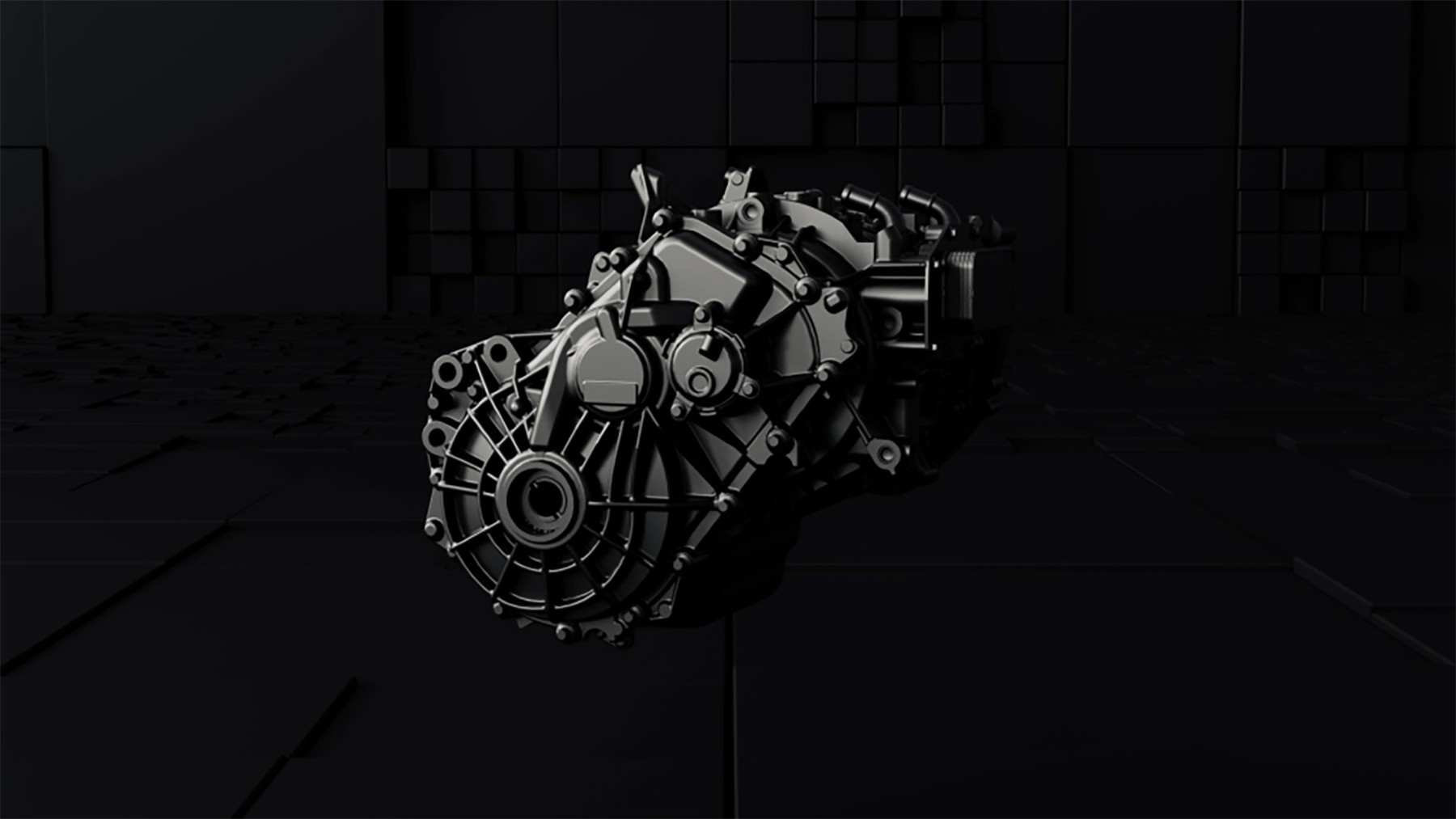
New vehicles and fuels, however innovative and environmentally friendly they may be, continue to have a serious problem. The extraction of raw materials is essential for manufacturing, but it is associated with polluting emissions and degradation of ecosystems. This is precisely what they are trying to change with this new rare-earth free engine, which should not exist, but which they have managed to create.
Could this be the first rare-earth free engine in history? What we know about
Renault and an automotive supplier Valeo have joined their expertise in order to create the ultimate solution to rare-earth-free electric motor. Having the E7A name, this kind of engine is able to produce 200 kW of power while reducing CO2 emissions almost twice compared to the older counterparts.
The E7A is market-place’s first mass-market electric motor that shuns the usage of the rare-earth metals like neodymium and dysprosium in the motors though, magnets comprise a significant part of them. Removing the rare-earths from the mix is an environmental and a sustainable step towards making this motor eco-friendly.
The EA7A will provide a 200 kW power delivery for greater range and acceleration of electric vehicles. Moreover, with 0% CO2 emissions into the atmosphere, compared to Renault’s current EV motors, carbon offset of the E7A is up to 30% which is a major step forward to reduce environmental burden.
Through cooperation with Renault and Valeo, a free of rare earths powerful electric motor has been built and designed for the purpose of creating the automotive of the future that will shape the world of transport sustainability.
The key question: why develop a rare-earth free engine?
There are several key reasons driving the effort to develop motors that reduce or eliminate dependence on rare earth elements like neodymium. First, rare earths can be quite costly and have limited supply. China currently controls over 90% of the global production of rare earths.
This gives them significant leverage and makes prices susceptible to geopolitical tensions. Developing motors with more abundant and accessible materials provides a more stable and predictable supply chain. In addition, there are growing concerns around the environmental impact of rare earth mining and processing.
These elements require substantial amounts of acidic and radioactive waste. Reducing reliance on rare earths allows for more sustainable motor production. Finally, governments and manufacturers worldwide want to avoid over-dependence on any single country for materials critical to key technologies.
How can this engine work without rare-earth? Is this possible?
The fresh motor designed by Renault and Valeo offers a highly innovative SR design that unlike other worldly magnet neodymium motor works without permanent magnets. Notwithstanding this, it operates under a mechanism of getting current though electromagnetic induction between rotor and stator.
Hence, when the stator windings are energized in succession, they produce the rotation field which is carried out by the rotor, whose currents are induced. It provides the voltage and frequency to the coils, thus creating torque and causing the rotor to follow and rotate with the stator’s magnetic field.
A vitality of this application is a removal of the costly rare earth magnets which makes the design cheaper by nature. Materials which are mainly the steel and the copper are used to build this kind of motor, therefore it is cost cheaper to produce them.
As you can see, this rare-earth free engine is designed to reduce dependence on this type of raw materials. For America, it is an ideal solution, since most of these products come from China or developing countries, which do not obtain wealth from the extraction of their goods. Best of all? It has 30% lower emissions and unprecedented power.