What if one of Thomas Edison’s “failed” inventions turned out to be a better match for today’s clean energy grid than for the cars he originally had in mind? That is roughly what a new study suggests, after scientists revisited his nickel-iron battery idea with 21st-century nanotechnology.
An international team co-led by University of California, Los Angeles has built a nickel-iron battery that charges in seconds and keeps going for more than twelve thousand full charge and discharge cycles.
That performance is equivalent to over thirty years of daily use, a lifespan that typical lithium ion packs used in cars cannot currently match.
When electric cars came first
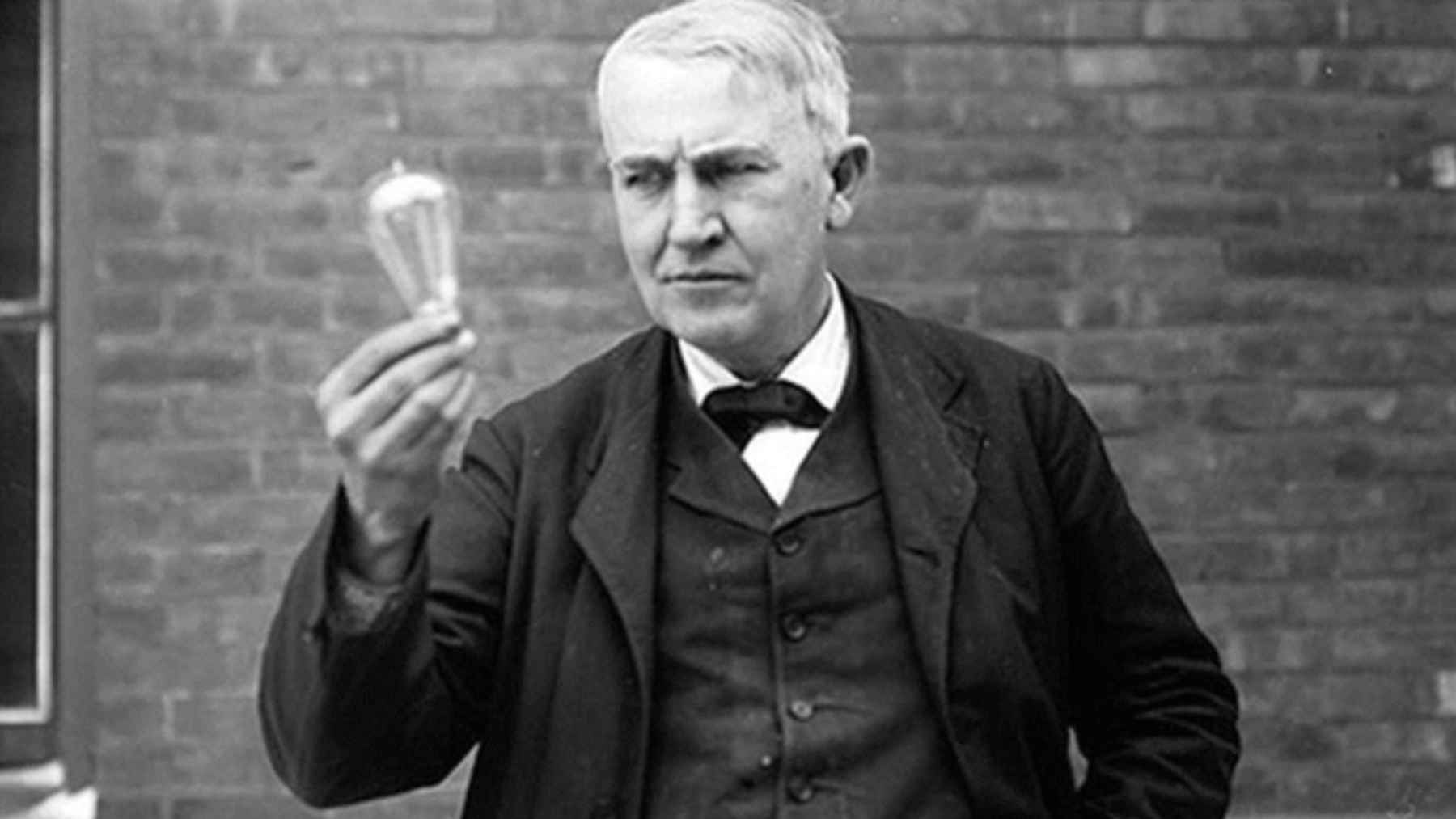
At the start of the 20th century, drivers in the United States saw more electric and hybrid vehicles on the road than gasoline models. Edison’s lead acid batteries powered some of them, but they were heavy, expensive and usually ran out after about thirty miles.
He believed a nickel-iron chemistry could push that range closer to one hundred miles and recharge overnight, impressive for that era.
Reality got in the way. The original nickel-iron packs were bulky and slow to charge, and they released hydrogen gas during use, which created safety concerns. As gasoline engines became cheaper and more convenient, the once promising electric option slipped into a niche role that survived mainly in a few industrial systems and off-grid setups.
Nature inspired nanoclusters
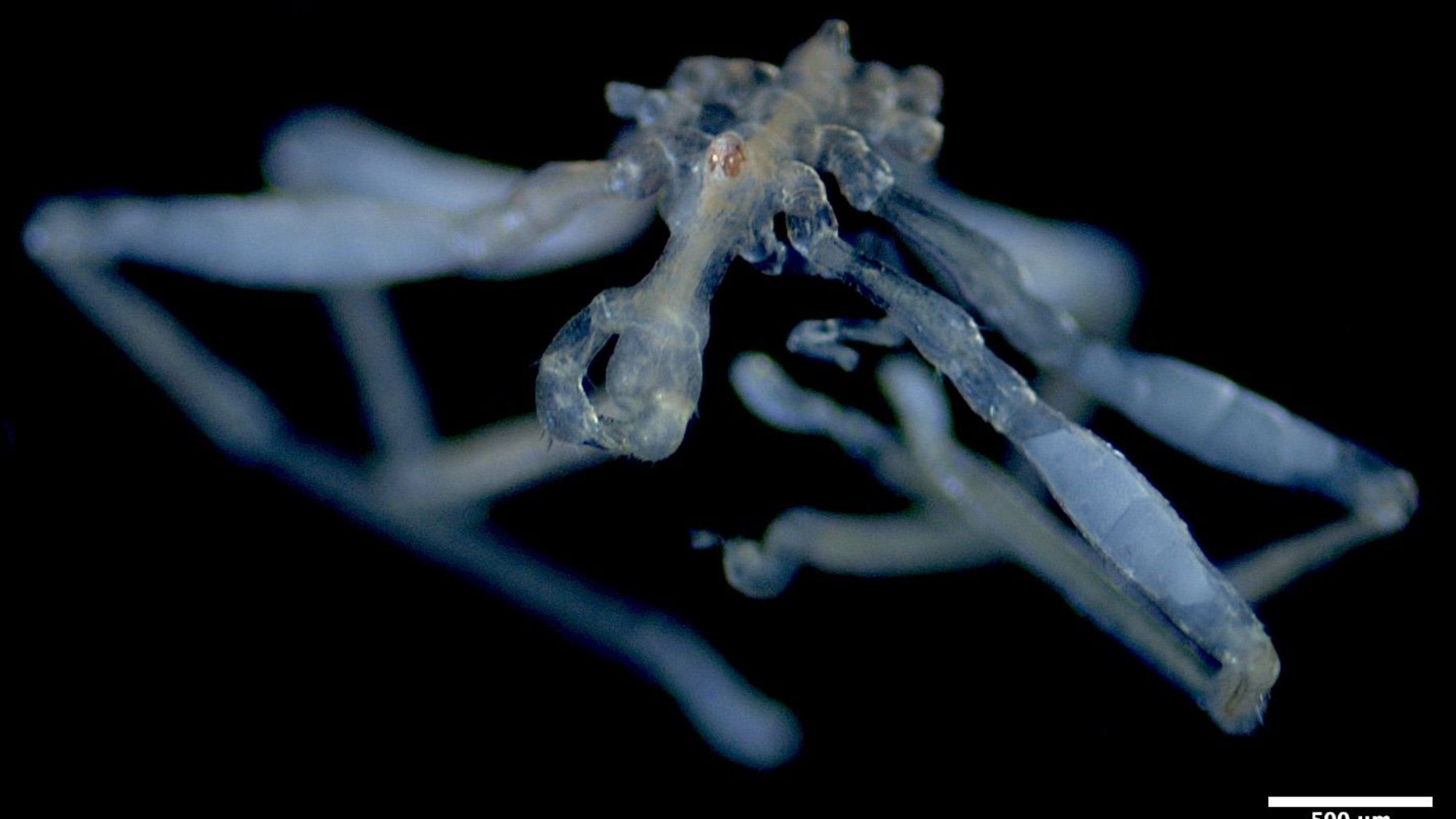
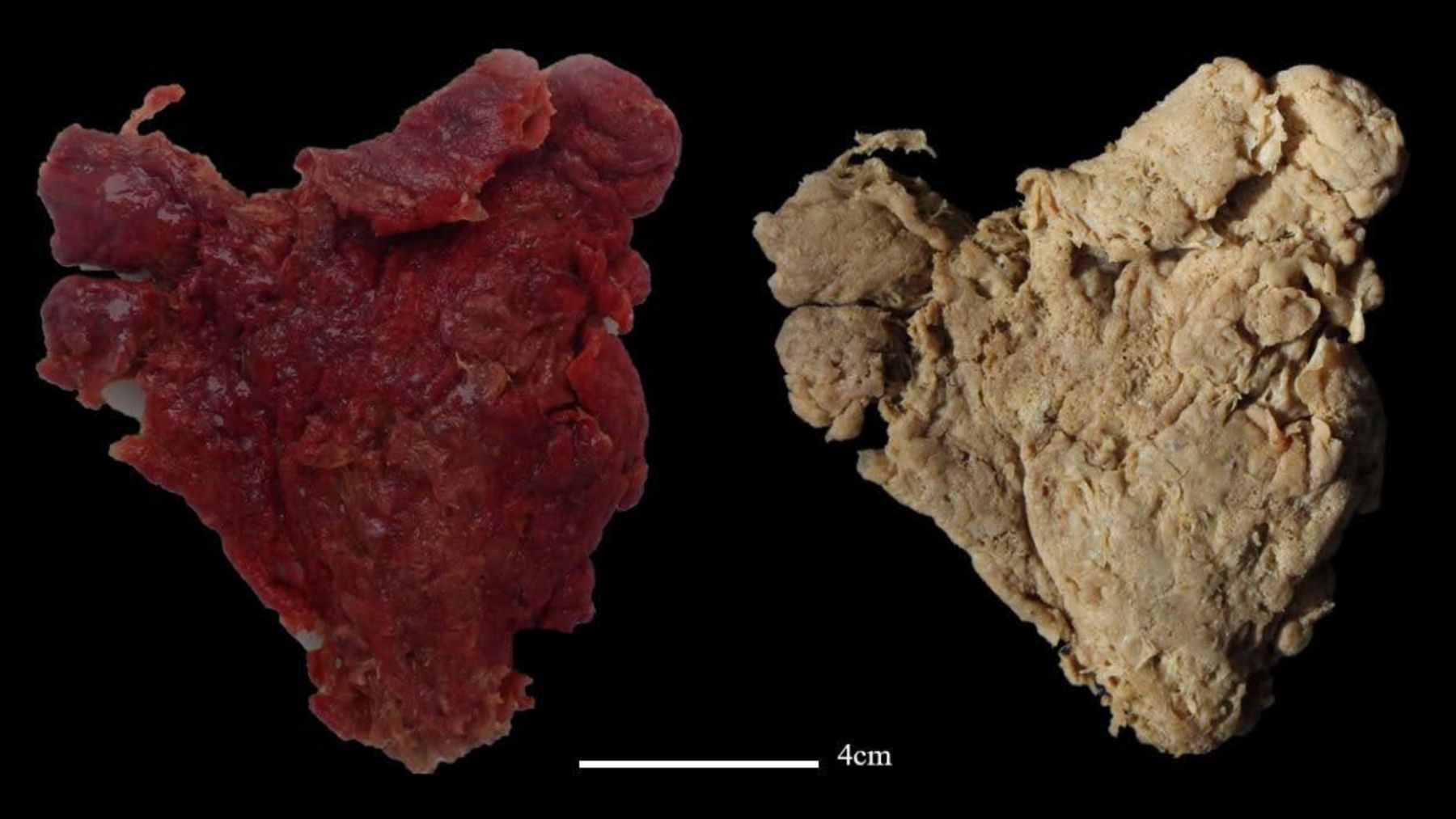
The modern prototype keeps Edison’s choice of metals but changes almost everything about how they are arranged. Researchers used proteins that come from meat industry byproducts as tiny scaffolds.
Inside the folds of these proteins, nickel and iron atoms gather into clusters smaller than five nanometers across. You would need ten thousand or more of these clusters just to span the width of a human hair.
Those protein templates were combined with graphene oxide, a material made of ultra-thin sheets of carbon decorated with oxygen atoms. The mixture was then heated in water and baked at high temperature.
During this step, the proteins turned into carbon, the oxygen was stripped away, and the metal clusters became locked into a porous carbon network. The end result is an aerogel structure that is roughly 99% air by volume, with a huge internal surface area where battery reactions can happen.
Why does that matter for everyday life rather than just for lab demos? In practical terms, more surface area means faster charging and discharging. When almost every atom in the active material can take part in the reaction, the battery can accept energy quickly and release it just as fast, without wearing out in a few years.
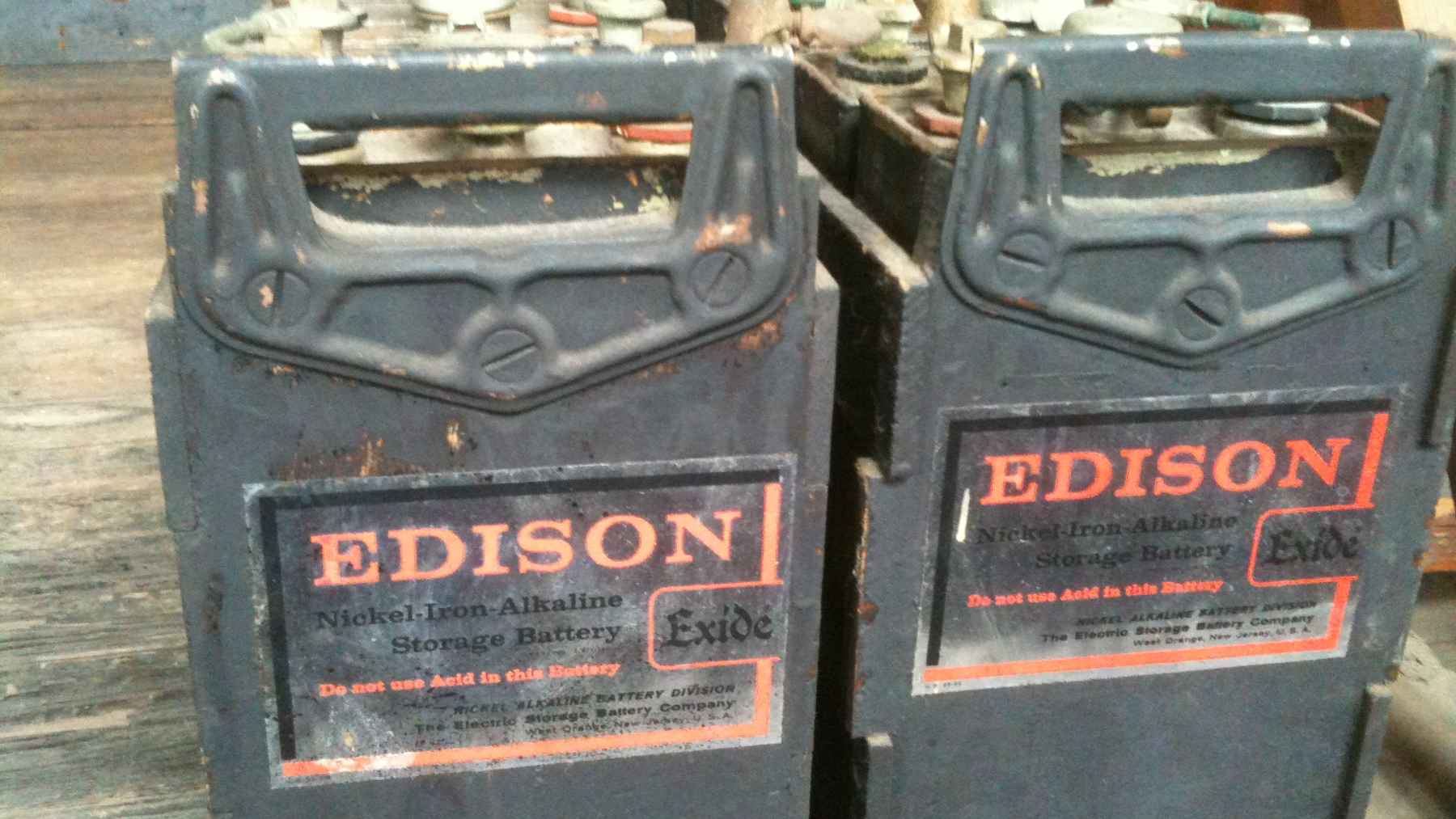
Original nickel iron storage batteries developed by Thomas Edison in the early 1900s, a technology researchers are revisiting for modern energy systems.
Not for your next electric car
Despite its speed and durability, this nickel-iron design does not store as much energy per kilogram as today’s lithium ion cells.
That makes it a poor candidate for long-range electric cars, where every extra mile of range helps people feel comfortable skipping the gas station. Instead, the researchers see clearer potential in stationary storage, where size and weight are less of a headache than reliability and cost over decades.
One obvious use would be at solar farms. During sunny hours, panels often generate more electricity than the grid can absorb.
A bank of long-lived nickel iron batteries could soak up that surplus and feed it back into the grid after sunset, when people come home, switch on the air conditioning and cook dinner. Data centers, which need instant backup when the main supply fails, are another likely candidate.
Because the battery relies on abundant elements such as nickel, iron, carbon and waste proteins, it also avoids some of the supply chain and mining concerns tied to lithium, cobalt and other metals. For people who care where the materials behind their electric bill come from, that detail matters.
What comes next?
There are still big questions. Scaling any lab prototype to the level of city-sized energy storage is rarely simple, and engineers will need to prove that the manufacturing steps really stay as low cost and straightforward as the team suggests.
It is also worth asking how sustainable it is to rely on beef industry byproducts in the long run, given the climate footprint of livestock.
Even so, the work shows that old ideas in energy storage can gain new life when combined with modern materials science. A battery that once lost out to gasoline cars could yet help clean up the grid those cars now depend on.
The press release about this work was published on UCLA Newsroom.