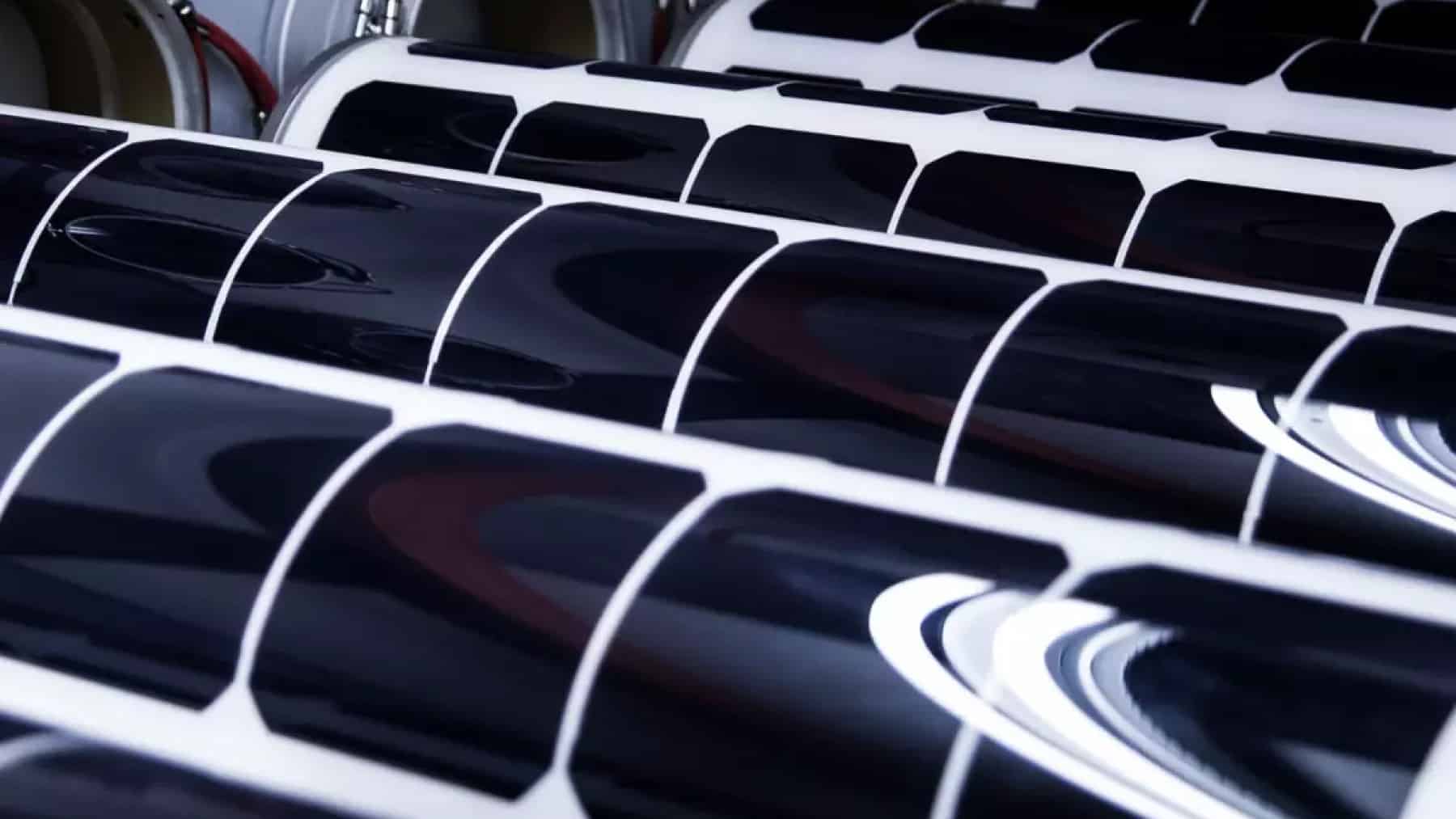
Lightweight, flexible, and portable are not words that usually come to mind when we think of solar panels. What we do think of, however, are the rigid, flat, and stiff black boards that lie unmoving atop roofs and in sunny fields. This solar panel from FlexSol has none of the usual characteristics that we associate with solar panels. Its unique design may change the way we think when we think about solar panels and solar energy as a whole.
Unmoving eyesores: solar panels as we know them
Solar panels are game changers in the pursuit of a net zero future. Their incorporation into our energy systems and our everyday lives are crucial in the move away from dependence on non-renewable sources of power like coal and natural gas. As valuable as they are, however, they are not without their limitations.
Solar panels are usually black boards made of monocrystalline silicon photovoltaic cells that capture sunlight and convert it into electrical energy. These monocrystalline silicon photovoltaic cells, though the most efficient and durable solar cells, are brittle.
As a result of the brittleness of the monocrystalline silicon PV cells, solar panels have traditionally been fashioned into flat boards. This has greatly limited the amount of solar energy a single solar panel can absorb as it is unable to absorb energy from multiple angles simultaneously.
The flexible solar panels that are revolutionising solar energy
FlexSol has developed a patented method for bending these efficient monocrystalline silicon PV cells into curved solar panels. The curvature of these solar panels allows them to absorb optimal solar energy from multiple angles.
These bendy solar panels have significantly broadened the horizon for what designs are viable when it comes to solar panels. FlexSol’s most efficient model on the market is their cylindrical solar module. The shape of the cylindrical solar module allows FlexSol to optimise maximum power point tracking (MPPT).
Their ability of optimise the amount of power conversion in the solar panel allows FlexSol to maximise its efficiency beyond the scope of the traditional flat solar panel. Aside from the increased efficiency of the curved solar panel, the flexible design has many other benefits.
Efficient solar power that is with you wherever you go
One of the major advantages of the flexible solar panel is its portability. Because flexible solar panels are usually made out of solar cells that are 300 times smaller than typical solar cells, they are lightweight and easy to transport.
These solar panels are usually coated in a polymer known as ETFE, which can be easily bent, instead of the typical protective glass or metal that cover most home solar systems. This lends a malleability to what would otherwise be quite a rigid, although powerful, system (similar to this super-solar panel in Japan).
This means that these flexible solar panels can be taken with you wherever you go, making them perfect for camping, RVs, boats, and backpacks. They can be used for just about anything, from powering entire campers to charging your phone on the go.
FlexSol’s solar panels do not require the same degree of labour needed for installing home systems. Unlike conventional home solar systems, they do not require complex racking systems. Due to their portability and flexibility, they can be easily installed using Velcro tape or magnets.
Are these flexible solar panels the future of solar energy?
While FlexSol’s solar panels are perfect for travel, it is unlikely that they will replace the rigid solar panels that lie atop homes any time soon. The same thinness and malleability of the panels that grant them their flexibility, also make them less durable than their stiff alternatives. Even so, the rising popularity of flexible solar systems (like this solar skin that could turn any building into a solar panel) could lead to an interesting shift in the solar industry.