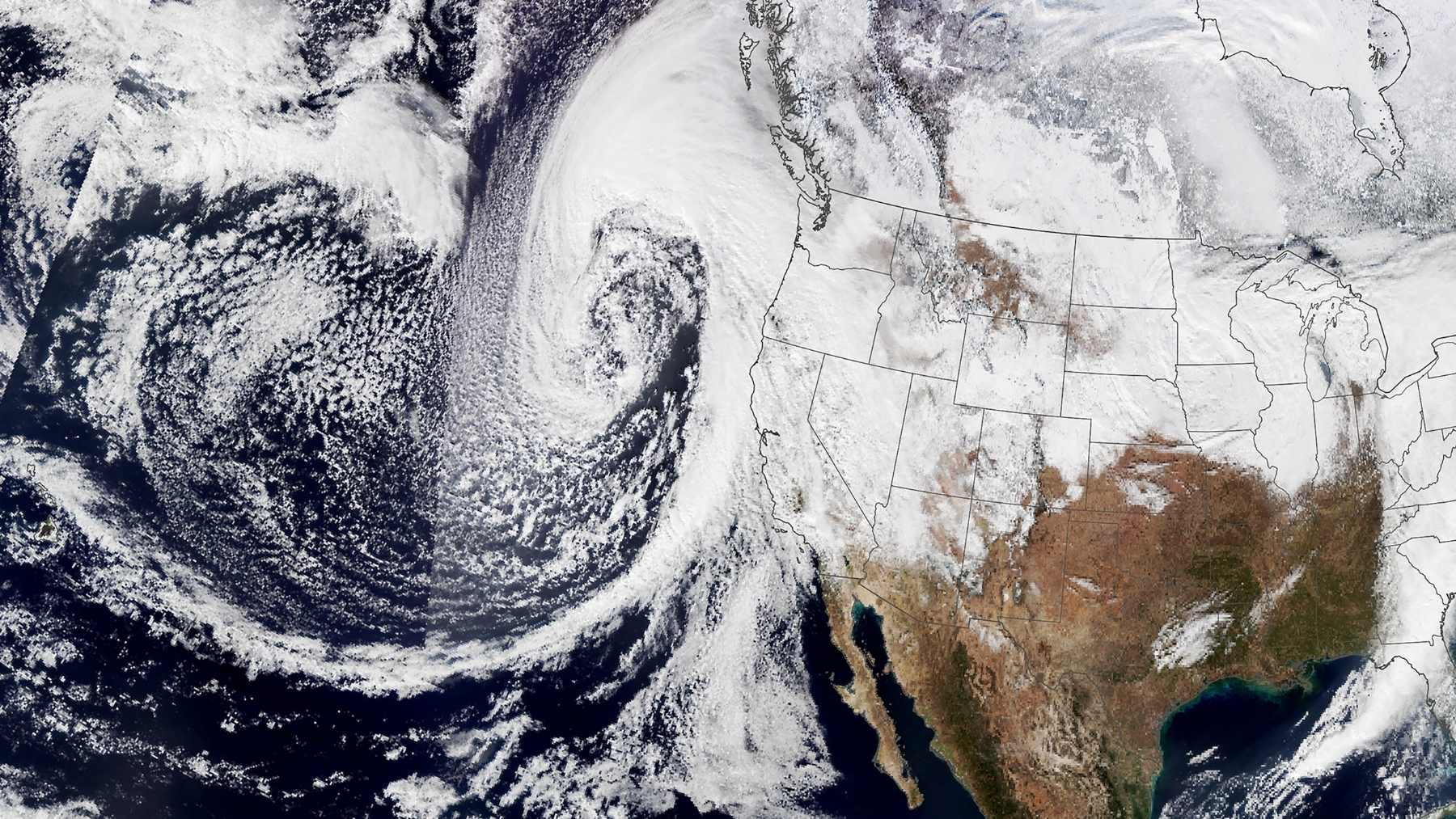
The alert pops up on your phone, the kind that buzzes twice and makes you look up from whatever you were doing. A winter storm warning, with meteorologists talking about “up to 60 inches of snow” in some higher-elevation zones and travel that could become nearly impossible. For a lot of people, that sounds like canceled flights, closed schools, and a very nervous glance at the electric bill.
Behind those numbers there is something bigger going on. A storm that can bury cars, strain roofs, and snap tree limbs is not only a weather story. It is also a snapshot of how a warming planet is reshaping snow, water, and the systems we rely on every day.
In parts of the western United States, a recent National Weather Service warning called for heavy mountain snow with totals that could reach around 60 inches over a long weekend in favored ranges. The same bulletin flagged the risk of “very difficult” travel and periods of whiteout conditions as snow bands repeatedly crossed the same corridors.
When snowfall rates climb to a few inches per hour, even well-prepared plow crews struggle to keep up. Add gusty winds and above-ground power lines and you get the recipe for outages that can last long after the last flake falls.
So what does a wall of snow like that really mean at ground level? It means side streets that disappear for days, ambulances and utility trucks picking their routes house by house, and old trees that suddenly carry more weight than their branches can safely handle. It also means a test for infrastructure that was often built for the storms of the past, not the more volatile patterns scientists are tracking now.
How a huge snowstorm fits into a hotter climate
There is a question people ask whenever a major blizzard hits: if the planet is warming, why are we still digging out from these massive snow events?
Climate scientists point to a basic piece of physics. Warmer air can hold more water vapor. Studies show that for roughly every degree Fahrenheit of warming, the atmosphere can carry around four percent more moisture, which loads storms with extra fuel.
According to analyses from the National Oceanic and Atmospheric Administration, heavy seasonal snow and extreme snowstorms have continued to occur with great frequency in the United States. In fact, one NOAA review found that the eastern two-thirds of the country saw roughly twice as many extreme snowstorms in the later half of the 20th century compared with the early half.
At the same time, the bigger climate picture keeps shifting. NOAA reports that 2025 ranked among the warmest years on record globally and that Northern Hemisphere snow cover was the third lowest in the data set.
In places like California, recent wet seasons have wiped out drought across the state, yet some mountain regions have faced so-called snow droughts where more precipitation falls as rain instead of long-lasting snowpack. So we are living with a strange combination. Shorter snow seasons in many areas overall, punctuated by very intense individual storms.
Snow, ecosystems, and fragile infrastructure
A weekend of extreme snow is more than a travel nightmare. Deep accumulations reshape local ecosystems in real time. Thick snowpack insulates soils, protects roots, and later feeds rivers that supply farms, wetlands, and cities downstream. When that snow arrives in erratic bursts rather than steady winter layers, plants and wildlife have less predictable cues for growth, migration, or hibernation.
Urban systems feel the strain as well. Heavy wet snow can overload roofs, block storm drains, and clog culverts so that meltwater has nowhere to go. NOAA warns that many roads, bridges, andpower grids were not designed for the combination of heavier precipitation, stronger winds, and sharper temperature swings that climate change is making more likely. A single storm can expose every weak joint at once, from aging transformers to undersized drainage pipes.
For communities already facing other pressures, from high energy costs to flood risk along rivers, these events layer one vulnerability on top of another. When the snow melts fast, there is also the risk of winter flooding that arrives after people have already used up their patience and their savings dealing with the storm itself.
What climate resilience looks like when the snow piles up
On an individual level, the advice before a 60-inch forecast is very practical. Charge devices, focus life into a few heated rooms, and check in on neighbors who might not manage a long outage on their own. Those simple steps turn a chaotic weekend into something closer to a planned pause.
From a climate perspective, experts argue that storms like this are a preview of the stresses that will become more common if emissions continue to rise. Adapting means more than buying another snow shovel. It involves better building insulation so homes stay warmer during blackouts, smarter grid design with more local renewable energy and storage, and building codes that anticipate heavier snow loads and stronger winds.
Cities and regions are beginning to respond, though progress is uneven. Some utilities are burying lines in the most outage prone corridors. Others are investing in microgrids that can keep hospitals or emergency shelters powered even when the broader network fails. For the most part, those changes are still catching up to the new reality rather than getting ahead of it.
In the end, a storm that drops several feet of snow in a few days is both a local emergency and a climate signal. It shows how a slightly warmer atmosphere can turn ordinary cold fronts into high-impact events and how quickly normal routines can crumple when weather pushes past old limits.
While families turn living rooms into campsites and watch the world outside disappear behind the next heavy band, scientists see another data point in a pattern that is becoming harder to ignore.
Image credit: NASA Earth Observatory images by Lauren Dauphin, using GEOS-5 data from the Global Modeling and Assimilation Office at NASA Goddard Space Flight Center and Visible Infrared Imaging Radiometer Suite data from NASA Earth Observing System (EOS) Data and Information System Land, Atmosphere Near-Real-Time Capability for EOS, Global Imagery Browse Services/Worldview, and the Joint Polar Satellite System.