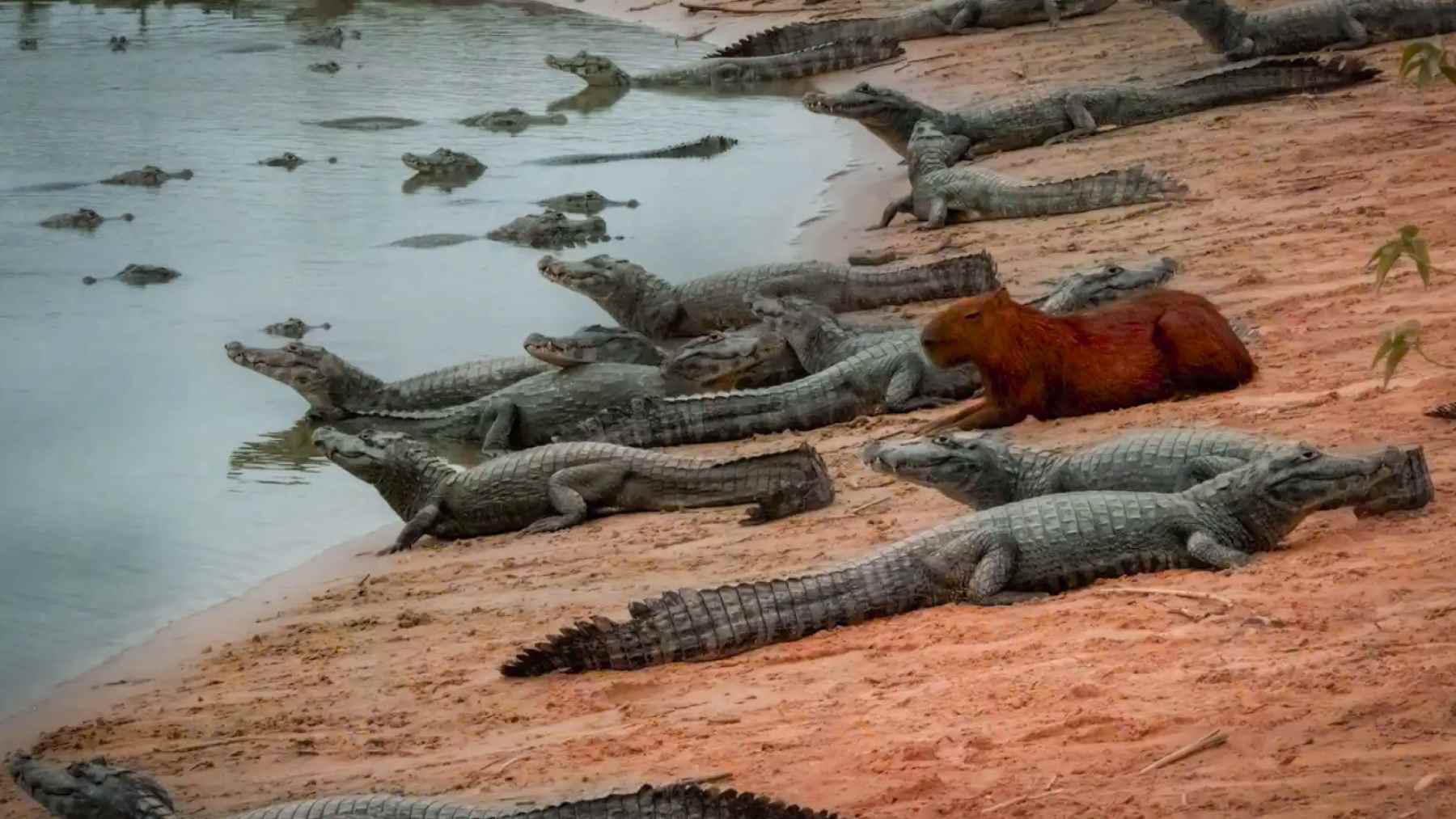
Scroll through wildlife photos from Brazil and you will spot an odd-looking “peace treaty” on the riverbank. A capybara naps while a yacare caiman sits nearby, and nobody seems worried. So what is going on here?
According to a recent report from IFLScience, the answer is less about friendship and more about survival math. Adult capybaras are big, quick, and risky to tackle, so crocodilians often choose easier meals when they can.
It’s not kindness, it’s cost and convenience
Crocodilians are opportunistic predators. In practical terms, that means they tend to pick prey that is easy to catch and safe to handle, especially when food is plentiful. A fish goes down fast, while a struggling, full-sized capybara can fight back and cause real damage.
That pattern shows up in field research on what caimans actually eat. A long-running study of yacare caiman stomach contents in the Pantanal found diets dominated by insects and fish, with mammals showing up far less often in comparison, which fits the idea that capybaras are not a go-to target when simpler options are around (Herpetological Journal study).
Capybaras look gentle, but they’re not pushovers
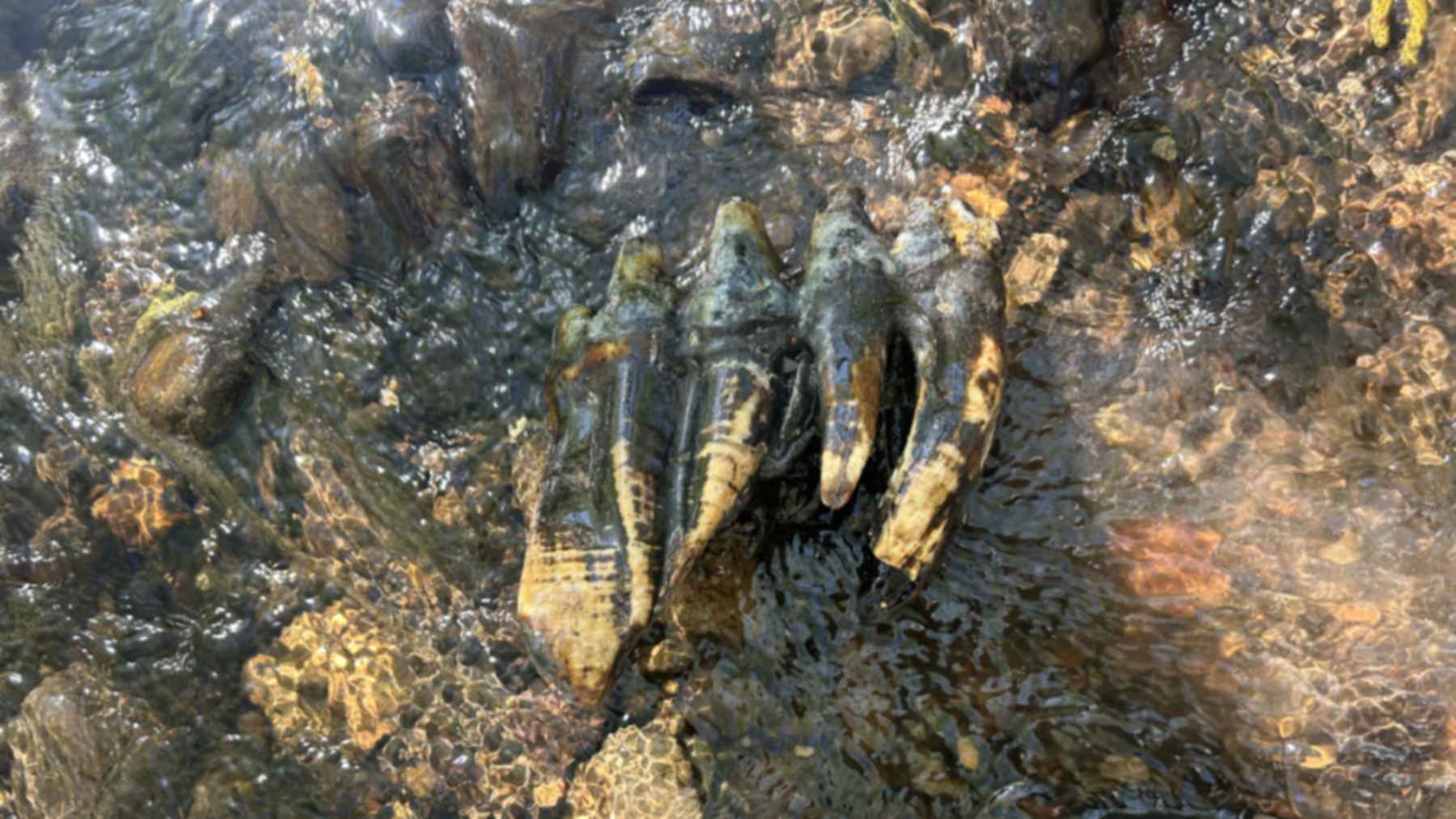
Capybaras are the world’s largest rodents, and adults can be hefty enough to make a predator think twice. Their front teeth are long, sharp incisors built for cutting tough plants, and they can deliver nasty bites when threatened. Doctors have even documented serious human injuries from capybara bites, a reminder that those teeth are not just for chewing grass.
Dr. Elizabeth Congdon, an assistant professor at Bethune-Cookman University, put it bluntly when discussing capybaras and caimans. “Capybaras have big, sharp teeth. Combined with their body size, I think they are just not worth the trouble and risk of injury,” she said. For a caiman, a wounded snout or damaged eye could mean weeks of harder hunting, and that is a bad trade.
The riverbank “truce” has a lot to do with escape routes
Capybaras spend much of their time close to water for a reason. If danger shows up, they can slide into a river, swim strongly, and use the water as cover, which makes a clean ambush harder than it looks in a still photo. The calm scene you see might simply be two animals sharing the same cooling spot on a hot day, not a predator ignoring a guaranteed meal.
Researchers have also found that capybaras change their routines depending on how risky an area is. A paper in Behavioral Ecology and Sociobiology described capybaras shifting where and when they forage in places with apex predators like jaguars and pumas, compared with areas where those predators were absent (research paper).
Another study on capybara responses to predation risk reported similar themes, with animals adjusting behavior based on danger cues rather than behaving the same everywhere (2022 study).
Babies change the equation
Young capybaras are smaller, slower, and less able to defend themselves. That is why juveniles can end up as snacks for a wide range of predators, including crocodilians and large birds of prey, especially when they get separated from the group or stuck far from the waterline. In the wild, a predator does not need to “decide” to eat capybaras in general, it just needs a moment where the easiest target is the smallest one.
There is also a human angle that often gets overlooked. Capybaras can be hunted for meat in parts of South America, and farming has expanded in some places as a way to reduce pressure on wild populations. Cute online, yes, but still wildlife. And like any animal that feels cornered, a capybara can bite.