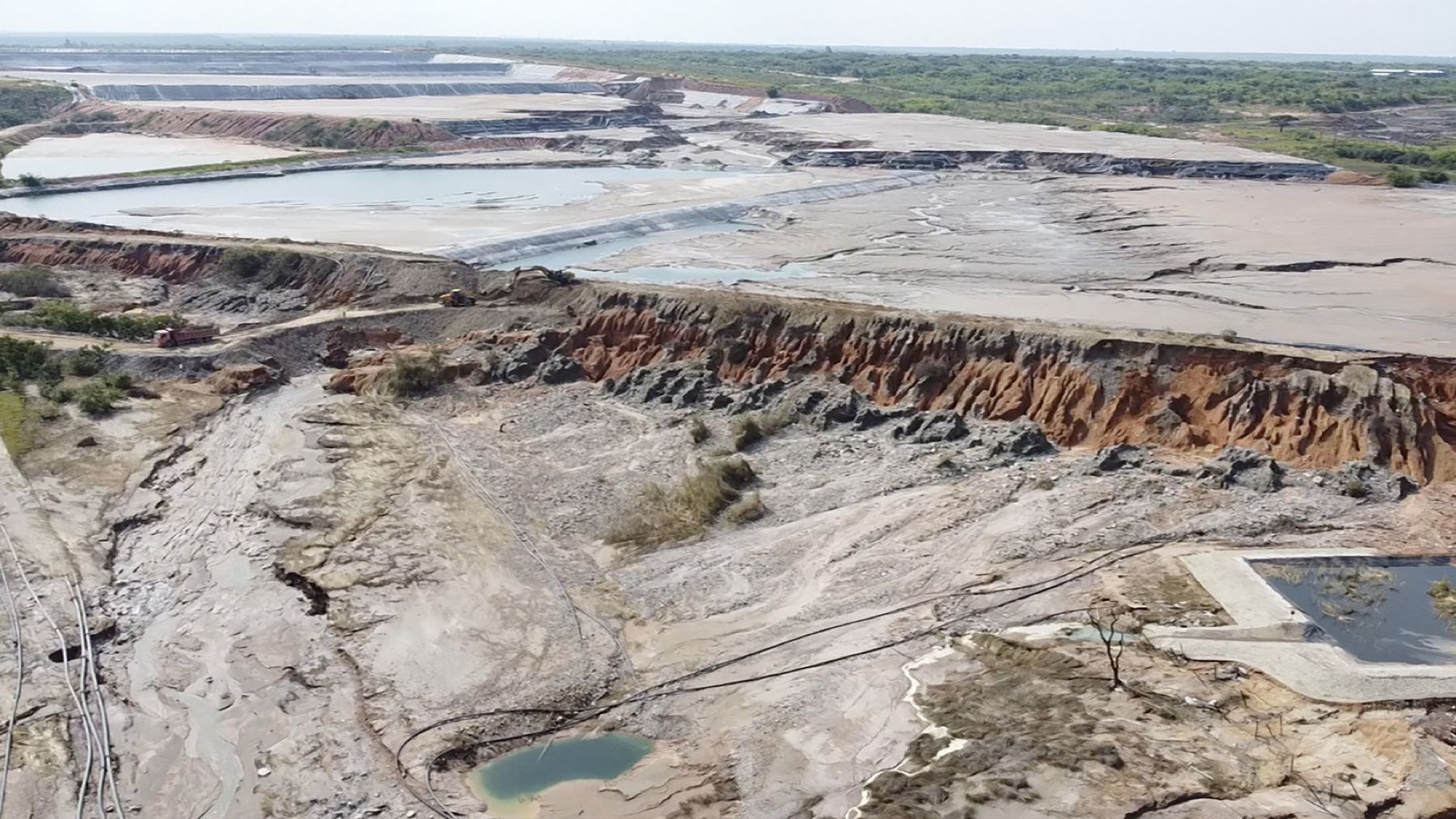
Acidic substances flowing from a Chinese copper mine in the Kafue River brought about a major environmental disaster. The chemical contamination of local water supplies through the emergency put the inhabitants at risk yet their existence is linked to this water source.
A total of 50 million liters of acidic substances caused toxic contamination in the river.
On February 18th, 2025, a Sino-Metals Leach Zambia mine tailings dam near Kitwe collapsed and spat 50 million liters of acidic waste into the Kafue River. This spill resulted in extensive environmental destruction, resulting in massive fish kills and field obliteration while infecting drinking water reserves. The neighboring town of Kitwe suffered from an immediate water supply emergency when authorities disconnected services to avoid more harm.
Acidic wastewater containing heavy metals and dissolved solids moved more than 100 kilometers down the stream path while damaging neighborhood territories and the surrounding natural world. Environmentalists and local residents demand accountability from the mining company and regulatory changes from the government stemming from this catastrophic industrial spill.
People who reside by the Kafue River should understand the possible effects of the acid spill.
Sixty percent of Zambia’s people depend on the Kafue River for water consumption. The river serves multiple purposes, including human drinking, irrigation, and industrial activities. The acid spill through the Kafue River killed aquatic life and made the water dangerous for humans. The affected residents who touch this polluted water struggle with health complications, including headaches, coughs, diarrhea, and skin sores.
The acidic water flow has caused severe damage to local agriculture, burning down crops such as maize and groundnuts. The river’s role as a source of livelihood for farmers has become severely damaged because livestock from the river suffered mass fatalities. Scientists are currently analyzing the river’s enduring environmental damage while the present situation devastates it.
The mining company and government’s response: Is it too little, too late?
To mitigate the disaster, Zambian authorities have sent air forces to lower lime into the river to counteract the acid. Speed boats serve as instruments for transporting lime while the authorities distribute the alkaline substances throughout the entire length of the river. The implemented short-term measures fail to resolve the permanent issues, creating doubts about the adequacy of the overall response.
Sino-Metals Leach Zambia apologized for the pollution incident while assuring it would handle all associated cleanup expenses. Zhang Peiwen, the company chairman, took responsibility by admitting that the disaster was severe and promptly pledged to revive the harmed environmental area. However, public doubt exists regarding Sino-Metals’s genuine dedication to protecting the environment.
Is Zambia’s mining boom putting the environment at risk?
The disaster hits Zambia during its push to increase copper output to satisfy the expansion of the electric vehicle market. The government aims to increase copper output to four times its current level by 2031, although this goal faces questions because of rising environmental and social concerns. Significant investments made by Chinese mining companies in Zambia face increased evaluation regarding environmental standards and worker treatment in their operations.
The acid leak into the Kafue River represents only one case of environmental destruction within Zambia. Mining activities within Zambia have led to several environmental violations, and the Mimbula Mine, operated by Moxico Resources, became the most recent case of a toxic spill. Different event occurrences demonstrate the requirement of implementing a stronger regulatory system with increased corporate accountability.
Environmental consequences of mining operations became evident when the acid spill happened in Zambia’s Kafue River. The central priorities involve damage control and party accountability, yet more significant changes at a systemic level should be developed to prevent these catastrophic events from recurring again. Millions of people face health threats and damage to vital ecosystems because such an incident threatens their basic life sustenance.