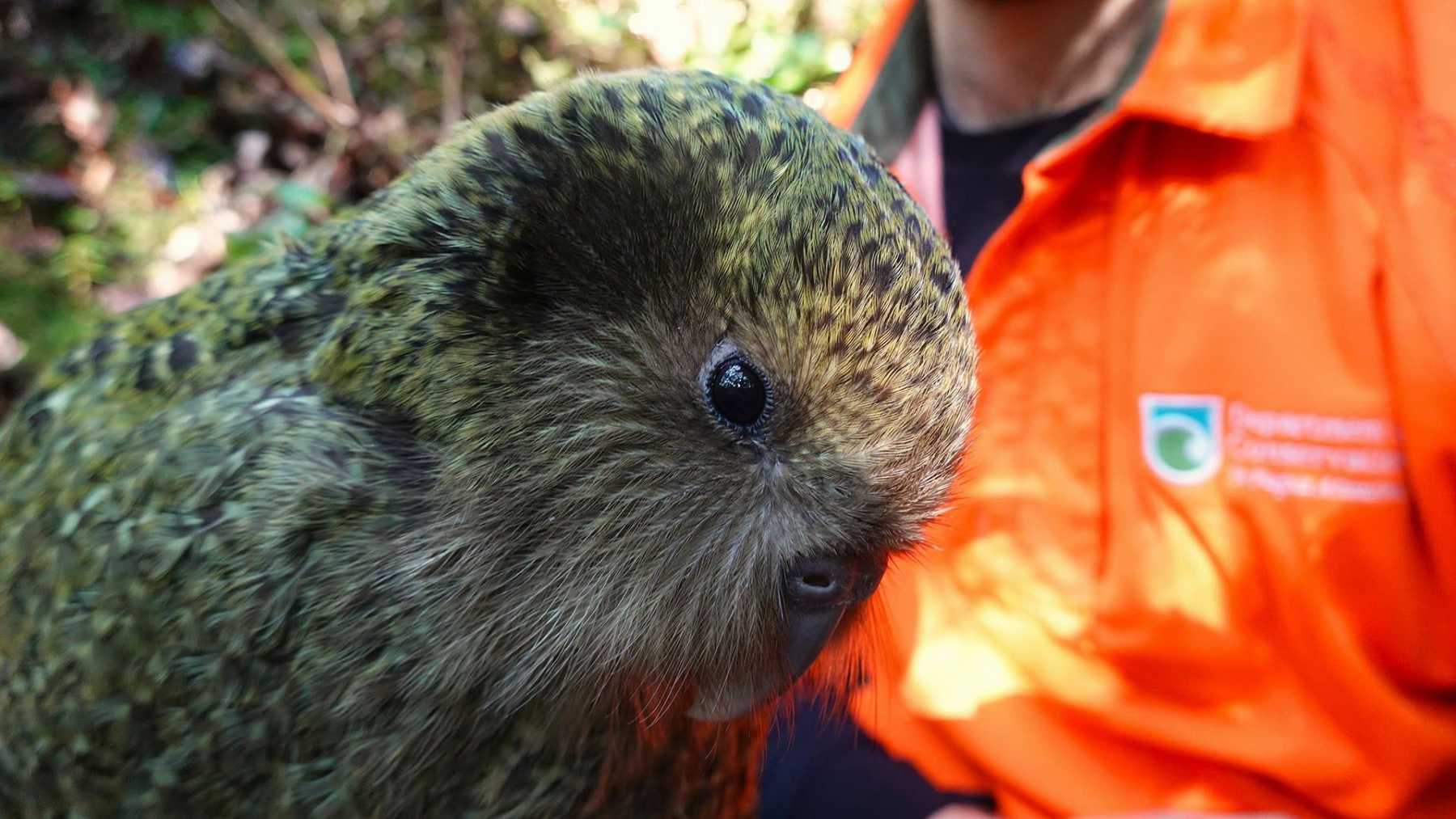
New Zealand’s kākāpō has reached its highest population in the modern recovery program, with 90 chicks bringing the official total to 325 on September 1, 2026. For a parrot reduced to just 51 birds in 1995, that is a remarkable turnaround.
But the world’s heaviest parrot remains critically endangered, and its comeback now raises a practical question. Where will the growing population live safely? These nocturnal, flightless birds still depend on protected habitat, making room to grow an essential part of their recovery.
Why these 90 chicks matter
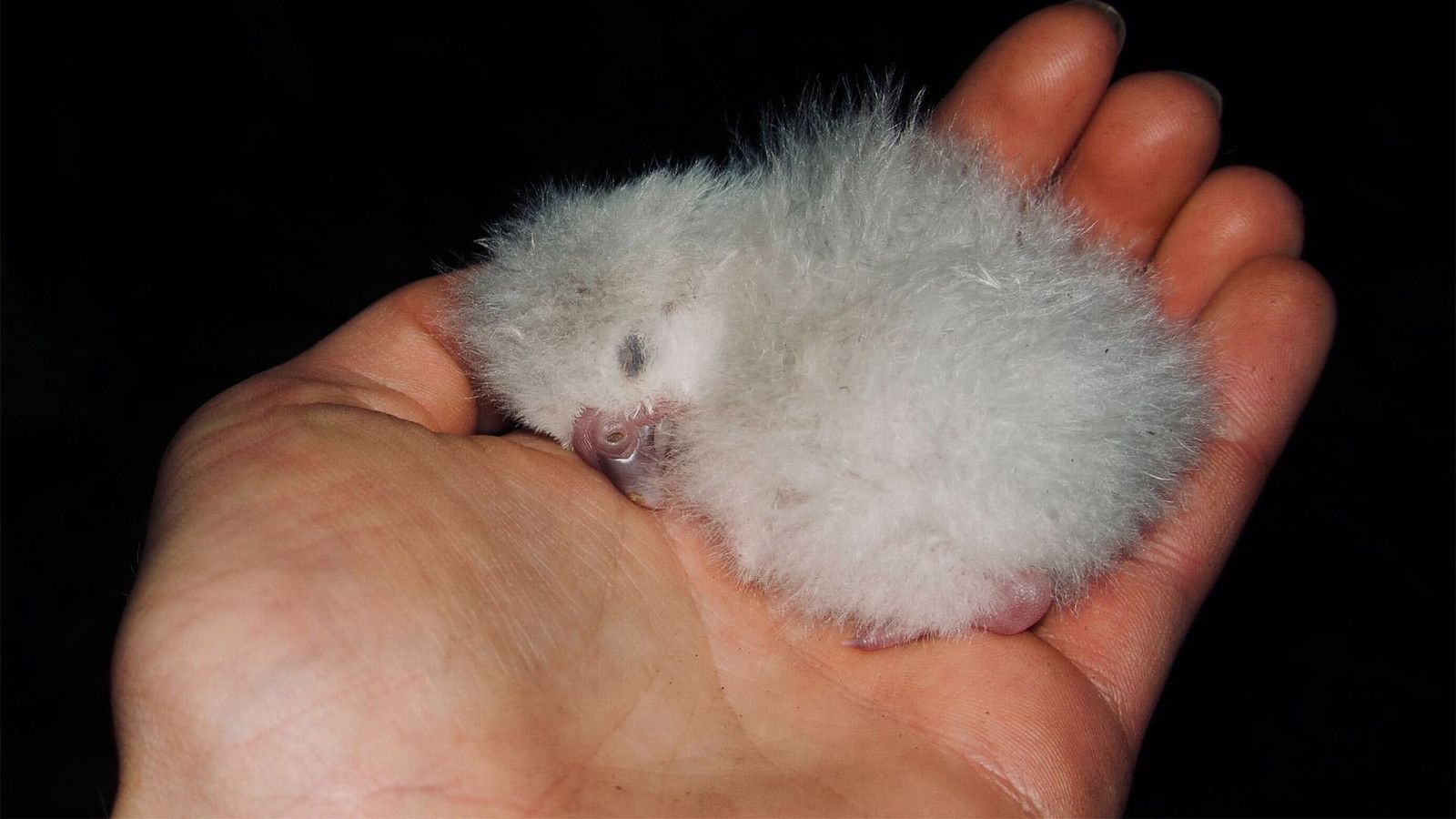
The new arrivals were added to the official count after the youngest surviving chick reached 150 days old. By that point, young kākāpō have fledged and are considered sufficiently independent to enter the tally, so the announcement represents birds that survived their vulnerable early months.
“In the early years of recovery, it took 16 years to produce that many chicks,” said Deidre Vercoe, Kākāpō Recovery Operations Manager at New Zealand’s Department of Conservation (DOC). The comparison shows how far the program has come, although these youngsters still have years ahead before they can contribute offspring of their own.
Twenty females carried the species’ future
When the formal recovery program began in 1995, the known population included 31 males and only 20 females. That imbalance mattered because the number of females limited how many nests the species could produce, while such a small population left little genetic variety to work with.
The decline had unfolded over generations as hunting, forest clearance, and introduced predators took their toll. Cats drove rapid losses on Rakiura, also known as Stewart Island, prompting conservationists to evacuate surviving birds to offshore sanctuaries between 1980 and 1997. Even there, rats killed chicks and undermined breeding success.
That history explains why moving birds was only the beginning. DOC’s genetic research helps identify relationships between individuals and guide efforts to preserve diversity, addressing problems associated with inbreeding, including poor egg fertility and hatching success.
The forest sets the breeding calendar
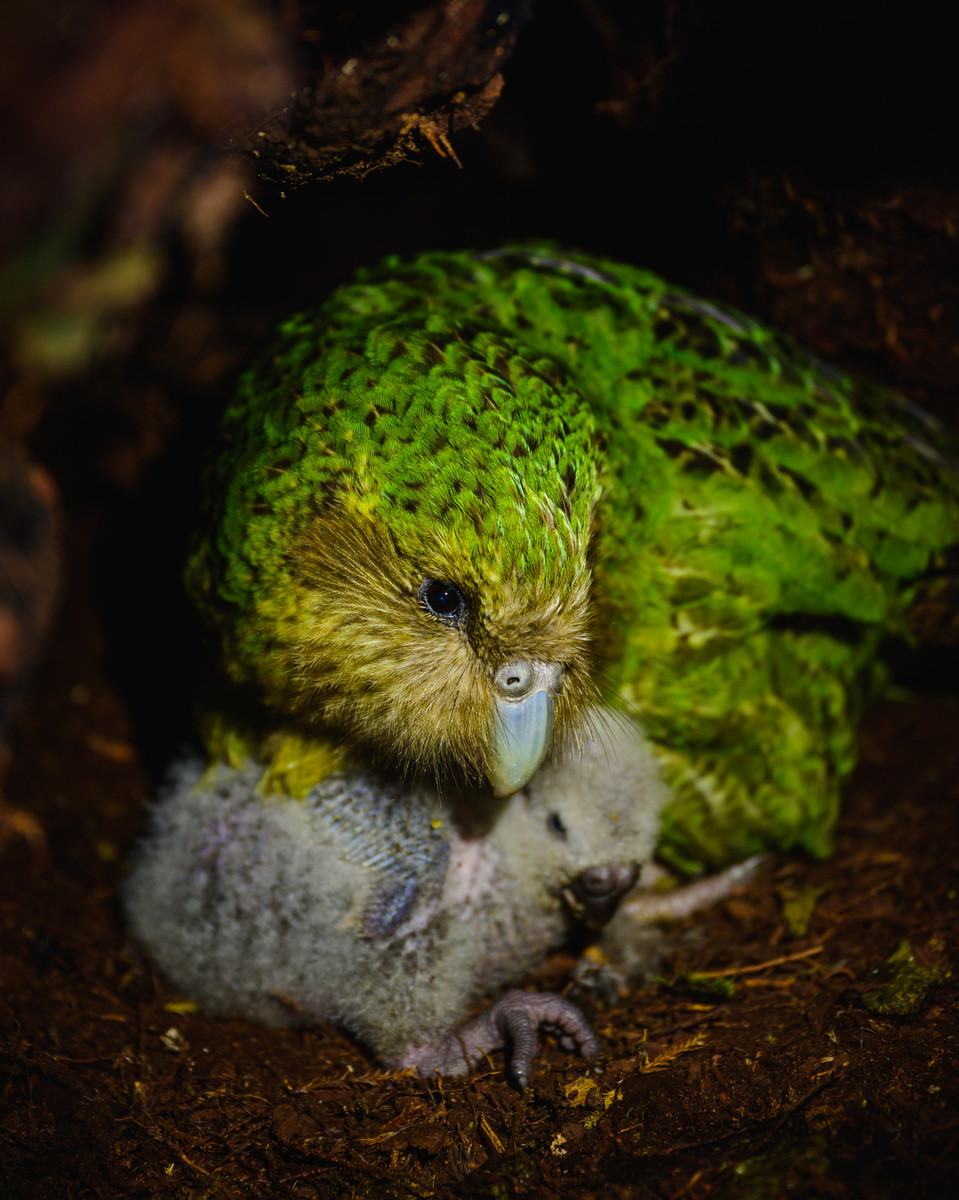
Why can’t kākāpō simply produce another big batch of chicks next year? Their breeding is tied to abundant crops of rimu fruit, an event known as “masting,” which typically brings breeding opportunities every two to four years. Females feed the fruit to their chicks, linking the birds’ future to the rhythm of the forest.
DOC reports just 13 breeding seasons since the program began in 1995. That makes each productive season especially valuable, while a failed fruit crop can leave mothers without enough natural food for their young. In 2009, for example, DOC had to hand-rear 26 of 33 chicks when the rimu crop failed.
A comeback built on daily care
Behind the population figures is work that rarely makes a headline. Each kākāpō carries a transmitter so staff can track its location and activity, while health checks help catch injuries or illness. During breeding seasons, teams monitor nests and may provide artificial incubation or care for struggling chicks.
Keeping predators out takes just as much attention. Stoats can swim to Anchor Island from the mainland, so traps remain essential, and supplies traveling to sanctuaries undergo quarantine checks. Even a bag of food or muddy equipment can become a problem if it carries unwanted organisms into a protected habitat.
More birds need more safe habitat
The three breeding populations live on Whenua Hou (Codfish Island), Pukenui (Anchor Island), and Chalky Island. But those are not the species’ only locations, with a small group of males also being monitored at the fenced Sanctuary Mountain Maungatautari on the North Island. That trial is helping assess whether a larger population could eventually thrive there.
A sanctuary has limits, much like a neighborhood with only so much available housing. DOC identifies finding suitable new habitat as its most pressing challenge as numbers grow, with a predator-free Rakiura among the long-term possibilities. Returning birds there would require making their former home safe again.
Recovery also means needing less help
DOC and its recovery partner Ngāi Tahu are looking beyond the head count toward populations that can sustain themselves. Ahead of the 2026 season, DOC explained that expanding the same intensive care to ever more birds would be unsustainable, making carefully managed reductions in intervention part of the recovery strategy.
The September announcement reported trials using remote nest data to reduce physical checks, alongside reduced supplementary feeding. The challenge is learning where birds can manage independently while maintaining support where it remains necessary.
The official press release was published on the New Zealand Department of Conservation website.
Photo: Department of Conservation (New Zealand)