Far below Trinidad and Tobago’s familiar coastal waters, scientists have documented 25 cold-seep ecosystems and at least 20 potentially new species. The country’s first locally led deep-sea expedition also mapped more than 11,335 square kilometers of previously uncharted seafloor, giving researchers a clearer picture of habitats that could inform future marine protection.
Led by marine biologist Diva Amon, the team explored aboard Schmidt Ocean Institute’s research vessel Falkor (too) from June 29 through July 28, 2026. Their discoveries include an octopus first spotted in 2014, but another lasting contribution will remain on land, with more than 700 specimens destined for a museum in Trinidad and Tobago.
Following bubbles to hidden ecosystems
The researchers identified 219 bubble streams while mapping the seabed, then used the remotely operated vehicle SuBastian to investigate promising locations. Its cameras allowed them to visually confirm 25 cold-seep ecosystems, turning clues in the survey data into documented communities of marine life.
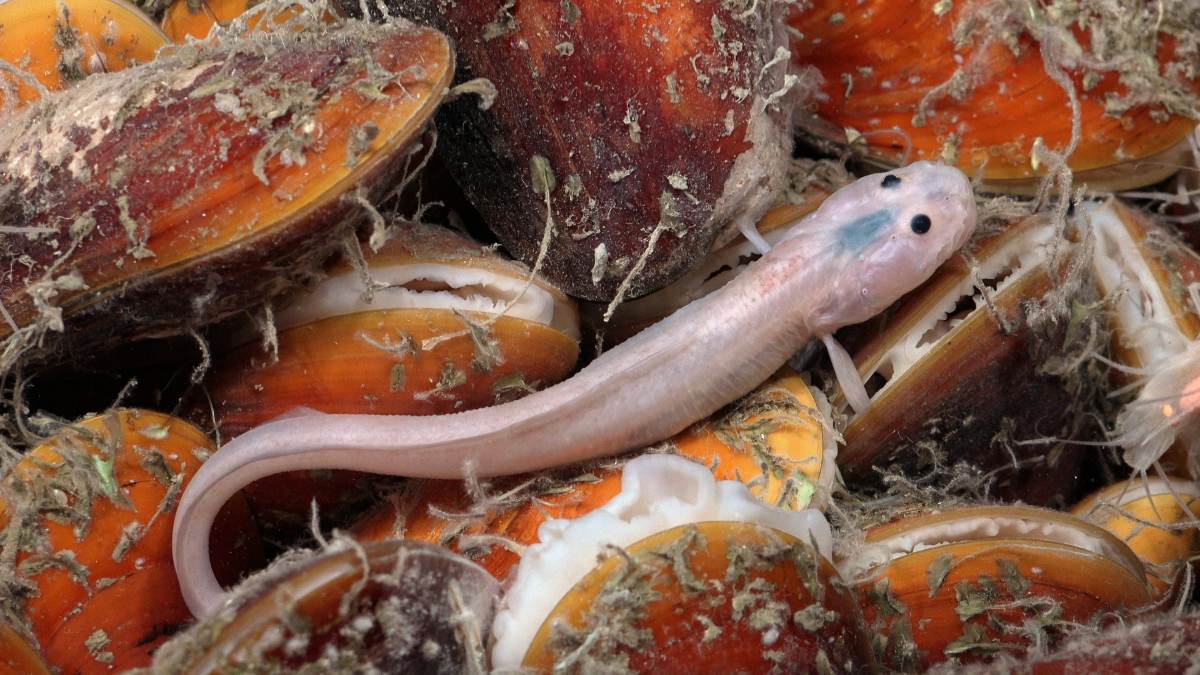
How can these communities thrive without sunlight? At cold seeps, bacteria use chemical energy associated with substances such as methane escaping from the seabed, supporting animals including mussels, clams, and tubeworms through a process called chemosynthesis.
The largest seep documented during the expedition covered about half an acre and was carpeted with mussels and tubeworms. According to Schmidt Ocean Institute’s announcement, the mapping covered approximately 13% of the country’s marine territory.
An octopus mystery dating back to 2014
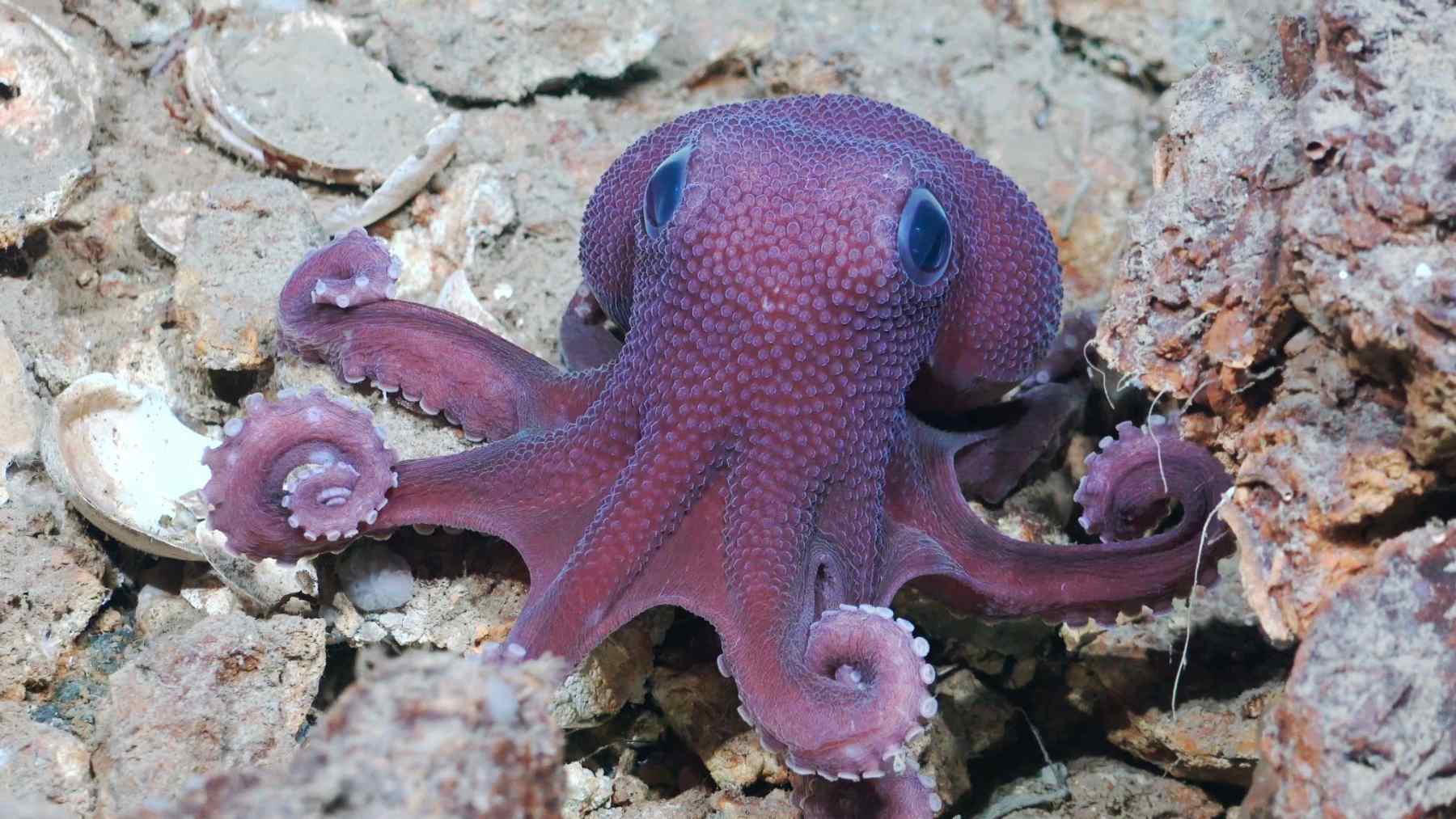
Among the most intriguing finds was a Graneledone octopus observed during a 2014 expedition that Amon also joined. Scientists lacked enough evidence then to determine whether it represented a new species, and the latest collection should help them resolve that question.
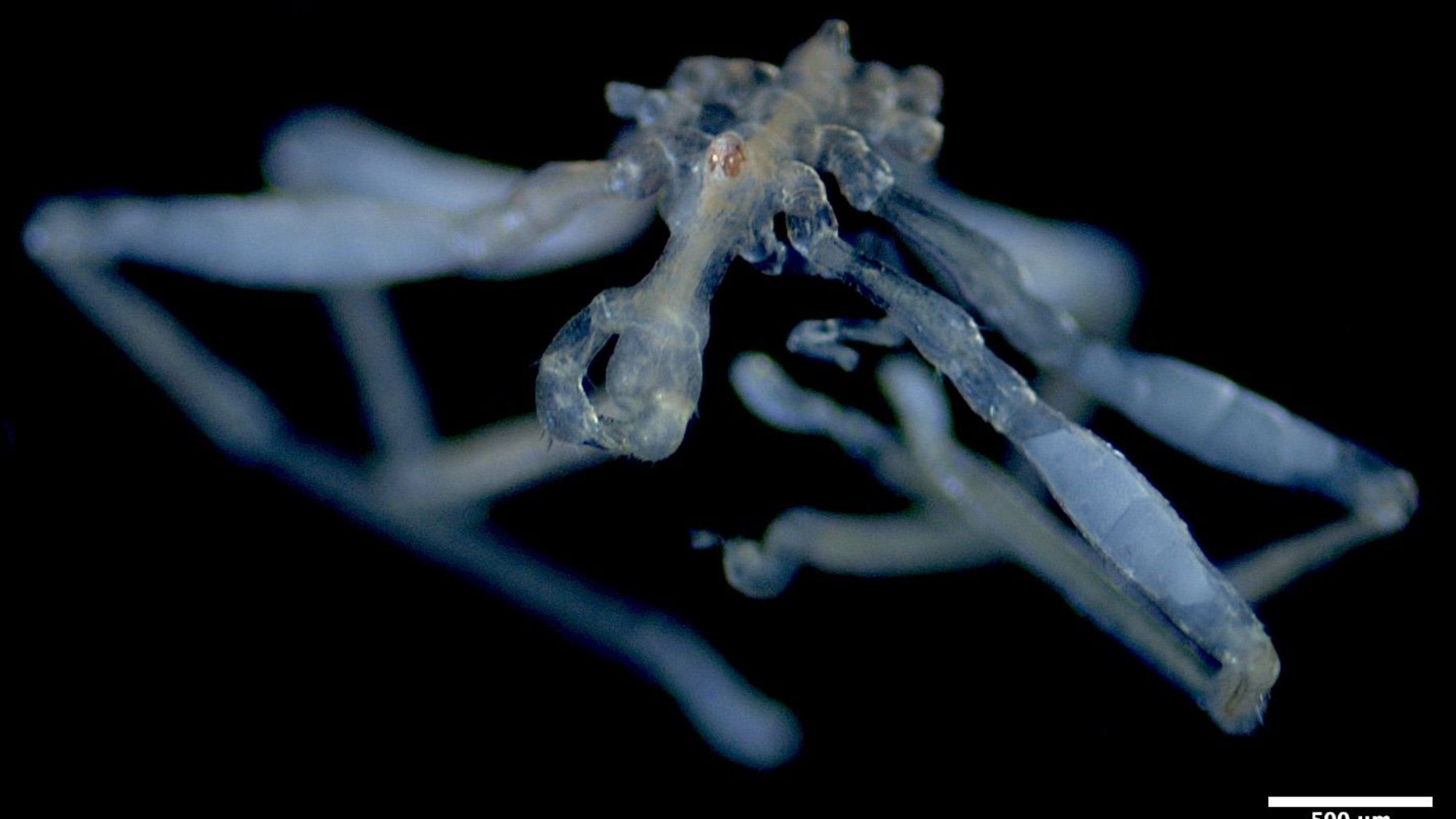
The expedition also encountered corals, carnivorous sponges, and squat lobsters, with at least 20 species suspected of being new to science. Separately, researchers recorded at least 54 species never previously observed in the country’s waters, including ghost sharks and zombie worms. These national records expand the known local wildlife list, but do not automatically represent newly discovered species.
Keeping the discoveries close to home
The collected specimens will be housed at the Zoology Museum of the University of the West Indies in St. Augustine. They will increase its deep-sea collection twelvefold, creating a much larger local resource for investigating animals from the country’s own waters.
Amon, who also co-directs the nonprofit SpeSeas, said the discoveries demonstrate that “Caribbean scientists can uncover our own deep-sea backyard.” That local leadership matters in a country where 93% of its marine jurisdiction lies below recreational scuba depths, according to the official expedition overview.
The team also tested DORIS, an experimental camera system developed by Ocean Discovery League and Blue Robotics to make deep-sea exploration more affordable. Easier access to equipment could help researchers continue studying these habitats after a major research vessel moves on.
Building a frozen archive of ocean life
Another part of the expedition focused on preserving living animal tissue for future research. The team tested a new cryoprotectant, a protective formulation used during freezing, as part of work to make tissue preservation more practical at sea.
Megan Conkling, a researcher at Florida Atlantic University’s Harbor Branch Oceanographic Institute, reported that tissues from more than 86 species of sponges, corals, and sea cucumbers were cryopreserved. She described the effort as helping create the Caribbean’s first “frozen zoo,” a collection of living biological material that could support research into future ecosystem changes.
A rare feast on the ocean floor
At 1,025 meters, or roughly 3,363 feet, the researchers encountered the remains of a Mobula ray on the seabed. Crabs and worms were feeding on the carcass, showing how a single animal’s death can supply food in an environment where meals are often scarce.
The cameras also recorded a black swallower fish with a dramatically expanded stomach after eating an oversized meal. These observations add behavior and feeding relationships to the expedition’s growing inventory of species and habitats.
What the discoveries could mean for conservation
Amon said the mapping and biological data will contribute to marine planning, including efforts to establish protected areas. The findings provide evidence for those decisions, while the announcement leaves the eventual boundaries and protections to future work.
The cameras also revealed human-made trash among the deep-sea discoveries. For people who mostly experience the ocean from a beach or boat, that is a reminder that our influence reaches far beyond the water we can see.
With specimens, habitat maps, and preserved tissues now available for study, researchers have several ways to investigate what these ecosystems contain and how they change. The expedition’s official press release was published on SpeSeas.
Photo: ROV SuBastian / Schmidt Ocean Institute