Oceans
We have many stories related to oceans! Scientists have found cracks in the seabed, entire food chains collapsing as rats cause seabirds to die out on an island, and comparisons of water sources in space to water sources in Earth’s oceans. If it is related to oceans, it likely goes here.
159 stories · since 2025 · latest, 13 h ago
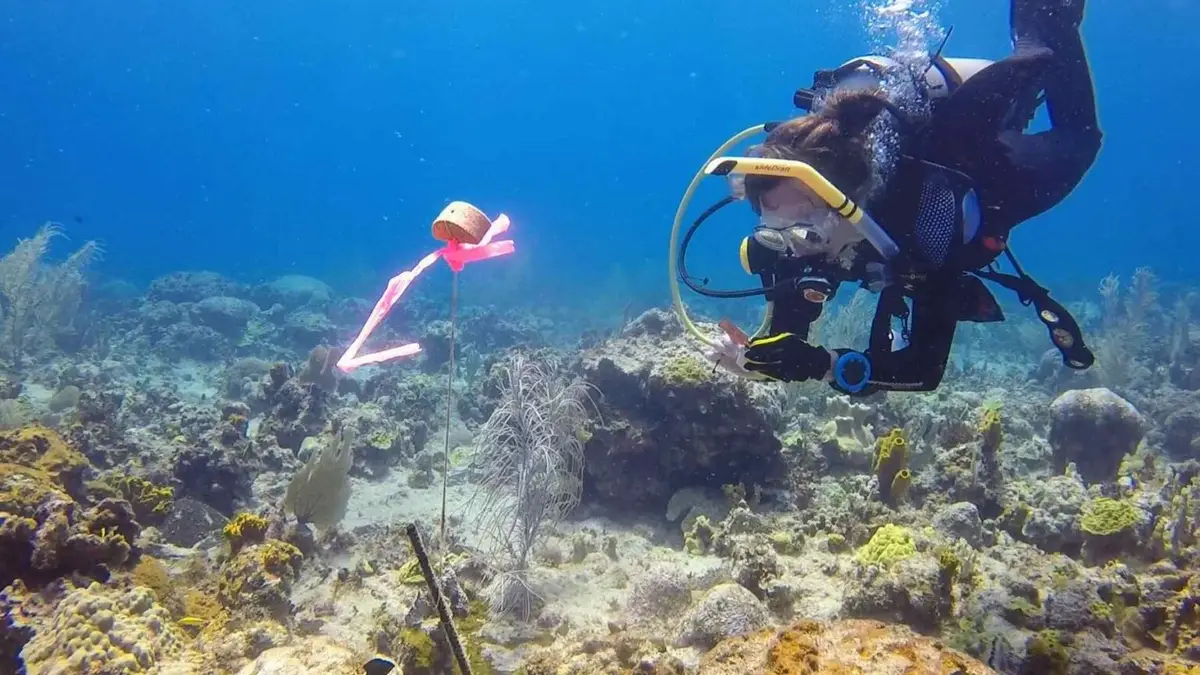
Fossil reefs up to 130,000 years old on Jamaica’s coast hint at where Caribbean corals could survive a hotter future, and the Florida Keys are among the top spots flagged
Along the coast of northeastern Jamaica, the remains of ancient reefs sit just meters from living ones. Those fossils could help show where Caribbean…
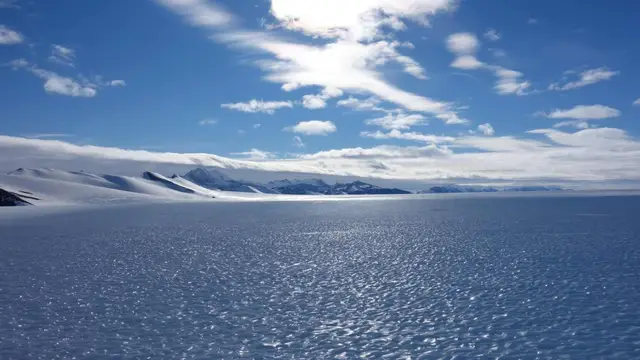
Scientists warn that parts of the West Antarctic and Greenland ice sheets and the Subpolar Gyre ocean current may already be past their tipping points as warming nears 1.5°C
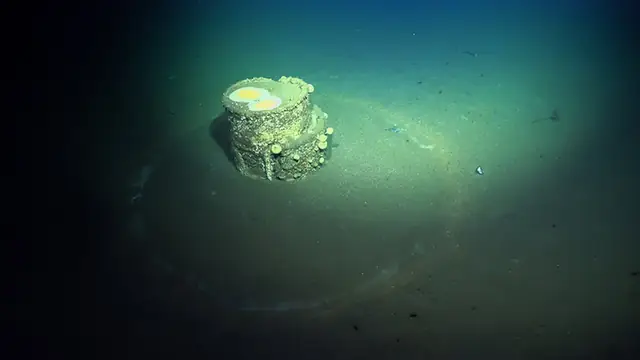
Scientists sampling white halos around waste barrels off Los Angeles found seafloor mud with a pH near 12, and the crust that stopped their coring tools had set like concrete
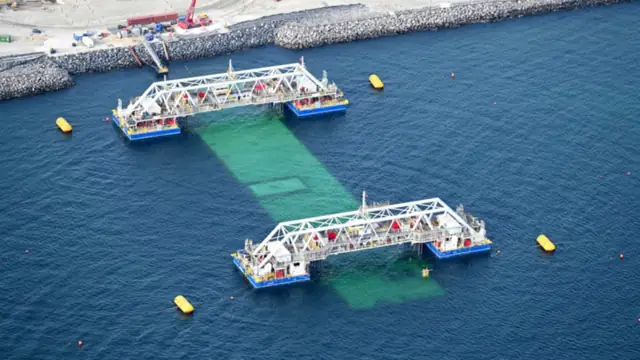
Denmark is lowering 81,000-ton concrete blocks onto the seabed for the Fehmarnbelt tunnel to Germany, and the next piece is a special element the size of a four-story building, with a basement
The Fehmarnbelt tunnel between Denmark and Germany now has nearly 2,950 feet (900 meters) of structure on the seabed. Owner Sund & Bælt said on Sept. 28,…
ECOnews Newsroom · November 13, 2026
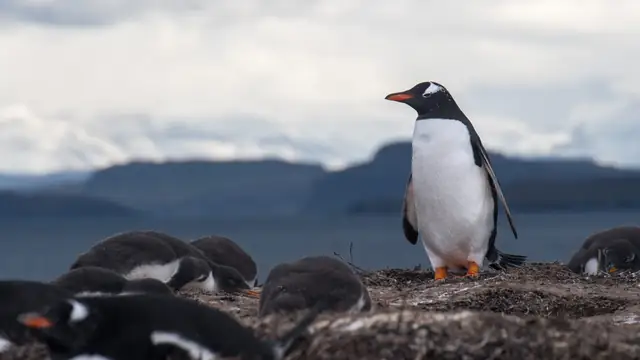
Gentoo penguins were long treated as a single species, and genomes have now split them into four, including a look-alike on remote Indian Ocean islands that had never been formally named
Gentoo penguins, long treated as one species, are in fact four, according to a study published in Communications Biology on April 23, 2026. One of them,…
Adrian Villellas · November 9, 2026
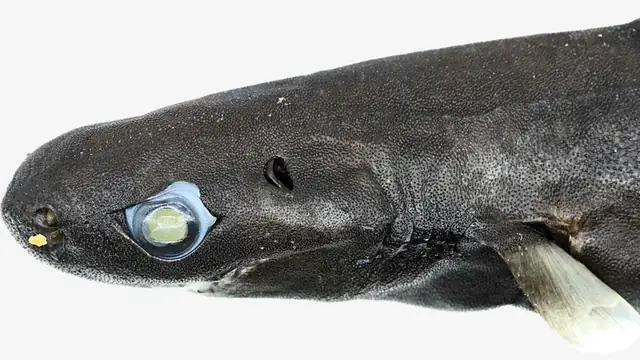
Scientists trawling off Mauritius pulled up a deep-sea shark just 8.5 inches long, and its oversized bulb-shaped nose turned out to belong to a lanternshark nobody had ever named
A deep-sea shark about 8.5 inches long has been named a new species of lanternshark. Scientists pulled it up in a research trawl off Mauritius in June…
Adrian Villellas · November 8, 2026
If all the salt in the ocean were spread over the land, it would form a layer more than 500 feet thick, about the height of a 40-story building, and much of it began with rain slowly breaking down rocks
Seawater is about 3.5 percent salt by weight. That works out to an average salinity of about 35 parts per thousand, according to the NOAA Ocean Service.
Adrian Villellas · November 8, 2026
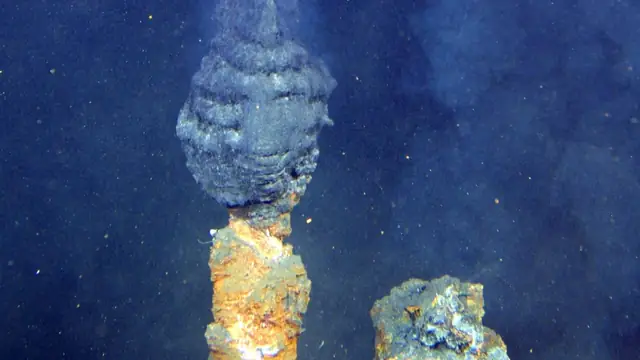
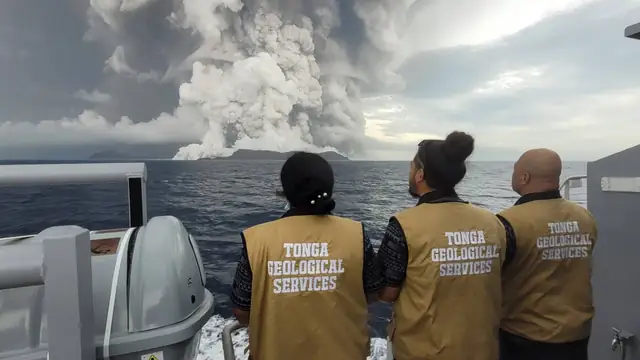
An underwater volcano in Tonga moved enough rock to fill 1,500 Great Pyramids when it erupted in 2022, and maps of the seafloor show its crater floor caved in while the blast was still going
The underwater volcano in Tonga that erupted on January 15, 2022, moved about 2.1 cubic miles (8.9 cubic kilometers) of rock and debris. That is enough to…
ECOnews Newsroom · November 6, 2026
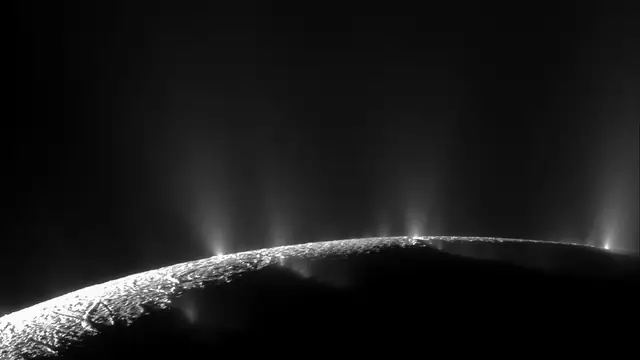
Saturn’s moon Enceladus sorts its own ocean into tiny ice grains that hit up to 620 mph, and scientists say that could make signs of life much easier to spot
Saturn’s moon Enceladus may sort its own ocean into tiny ice grains before they reach space. A Berlin-led team reported this in Science Advances on…
Adrian Villellas · November 4, 2026
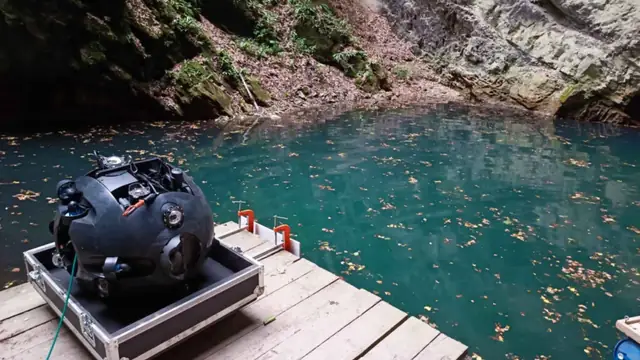
Czech cave explorers and a robot have measured the Hranice Abyss to 1,476 feet underwater, and a decade after it became the world’s deepest flooded cave, nobody knows where the bottom is
Czech cave explorers and a Portuguese-developed robot have traced the Hranice Abyss to 1,476 feet (450 meters) below its water surface. Ten years after…
Adrian Villellas · November 3, 2026
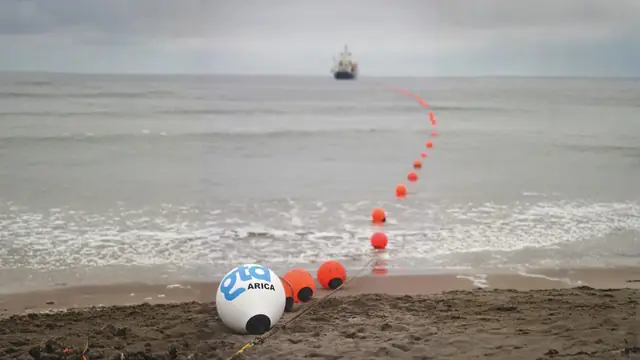
Chile is turning 2,175 miles of undersea internet cable into an earthquake sensor, and a study found it can size a quake five seconds after the first waves
An undersea internet cable network that runs about 2,175 miles (3,500 kilometers) along Chile’s coast is being turned into an earthquake sensor.…
Adrian Villellas · October 30, 2026
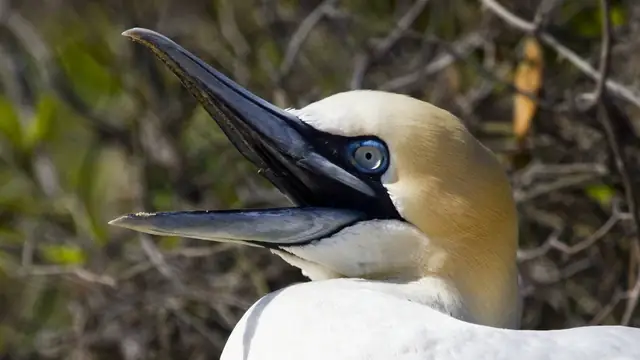
A northern gannet can hit the ocean at roughly 54 mph and keep hunting underwater, and CT scans now show the sturdy neck bones that help diving seabirds survive the impact
A northern gannet can strike the ocean at roughly 54 mph and keep chasing fish beneath the surface. Research published October 12, 2026, adds another clue…
ECOnews Newsroom · October 27, 2026
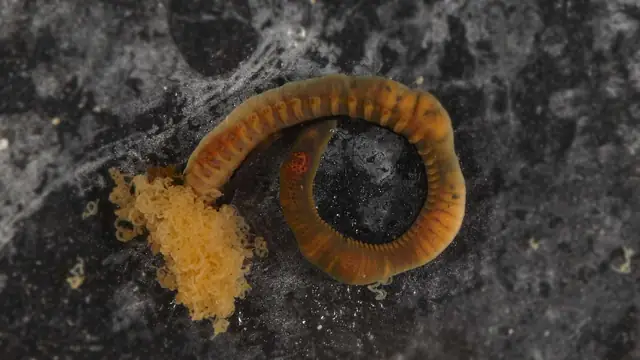
Scientists hauled deep-sea spaghetti worms with suction cups from about 2,200 feet down off Australia’s Cocos (Keeling) Islands, and the orange animals turned out to be a genus new to science
Scientists working off Australia’s Cocos (Keeling) Islands have described a genus of deep-sea spaghetti worms new to science, named Terebellosuctoria for…
Adrian Villellas · October 23, 2026
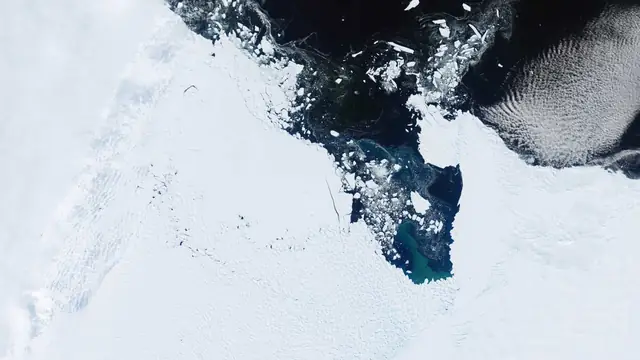
42 satellite surveys show 11.3 trillion metric tons of polar ice loss across Greenland and Antarctica since 1979, and 84 percent of it came from glaciers flowing faster into the ocean rather than surface melt
Greenland and Antarctica lost 11.3 trillion metric tons of ice between 1979 and 2023, roughly 12.5 trillion US tons, according to a new record built from…
ECOnews Newsroom · October 23, 2026
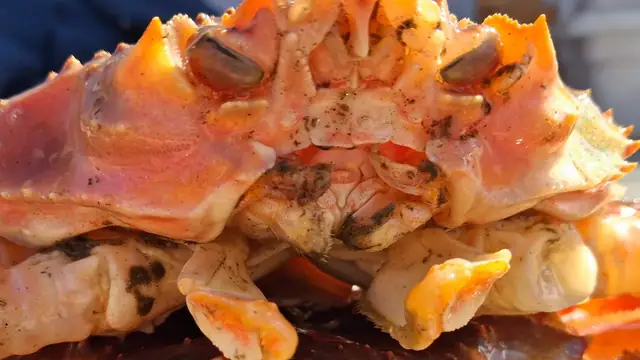
In Alaska’s Bering Sea, snow-Tanner hybrid crabs became 13.4 times more abundant after a marine heatwave wiped out billions of snow crabs, and in 2025 they made up 41.7 percent of commercial-sized males
In Alaska’s Bering Sea, snow-Tanner hybrid crabs were 13.4 times more abundant in 2025 than their 1988-2024 average. NOAA Fisheries scientists reported…
Adrian Villellas · October 21, 2026