Oceans
159 stories · since 2025 · latest, 13 h ago
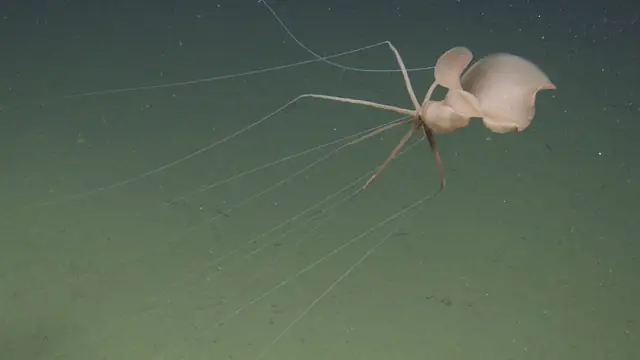
MBARI scientists surveying an ancient undersea volcano off California filmed a bigfin squid 10,751 feet down, the first live sighting in the northeastern Pacific, and only about 70 are on record
Olívia Soares Pereira was sitting beside the video screens aboard the research vessel David Packard when something pale drifted into the top corner of the…
Adrian Villellas · October 19, 2026
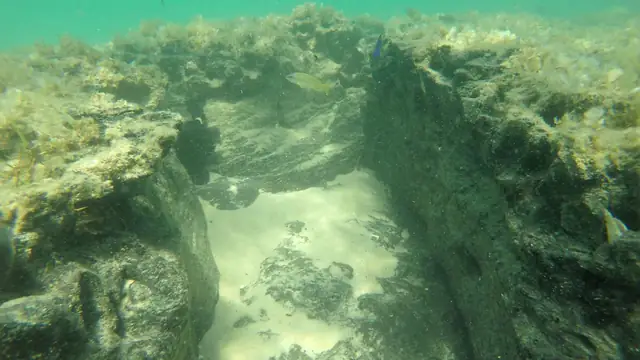
Off Mozambique, divers surveyed three peat reefs made of forest peat up to 5,000 years old, and each held 26 to 36 kinds of small fish with no living coral
Divers working off Mozambique’s San Sebastian Peninsula in 2023 kept finding fish on a seabed that used to be forest. The dark ledges there are peat…
ECOnews Newsroom · October 18, 2026
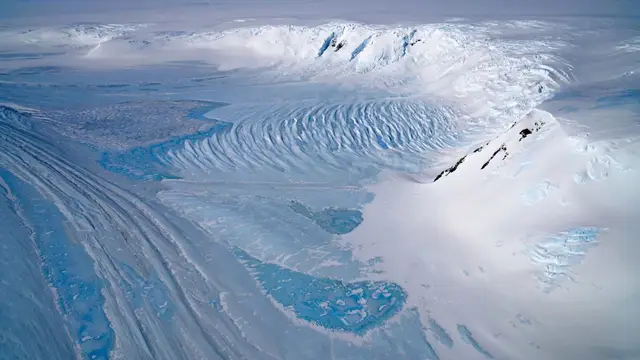
Around Antarctica, 1,712 zircon crystals drilled from the seafloor point to Himalayan-style mountains now buried under the ice, and two geologists say their erosion may have helped set the stage for the Cambrian explosion
Under the ice of Antarctica lie the roots of Himalayan-style mountains, according to two geologists tied to the Australian National University (ANU), who…
ECOnews Newsroom · October 17, 2026
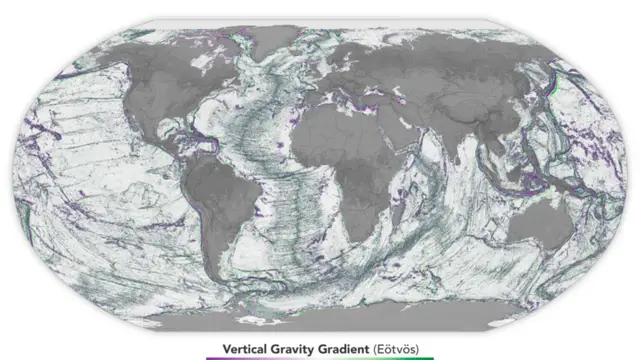
A UFO hunter claims to have found an alien base 10 miles below the ocean’s surface, off the coast of South Australia, but NOAA explains why those giant lines may not actually exist
Scott C. Waring, who runs the blog UFO Sightings Daily, posted a seafloor map on September 8, 2026, under the headline “10 Mile Long Alien Base Found In…
ECOnews Newsroom · October 16, 2026
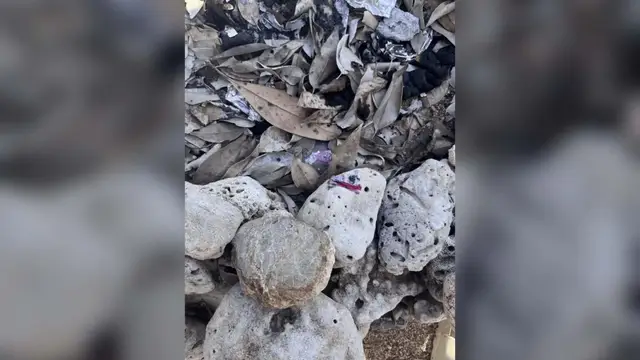
Okinawa researchers found plastic fused to coral rubble in five pieces from three beaches, and the melted polymers had seeped into the coral’s pores so completely that the team named a new pollutant, plasticoral
In August 2024, a team counting trash on Okinawa’s beaches came across small, brightly colored specks in the pale coral rubble. They took some back to the…
ECOnews Newsroom · October 13, 2026
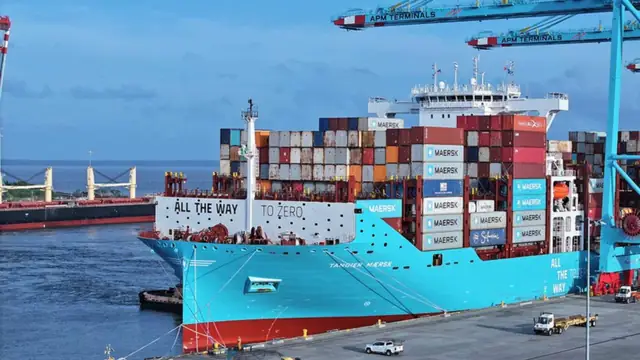
Maersk fueled the 9,016-TEU Tangier Maersk with 100 percent corn ethanol in America’s first ethanol bunkering of a deep-sea container ship, as a national lab says today’s methanol-ready fleet could burn 2 billion gallons yearly
Andrea Lazzaro, head of business development at the marine engine designer WinGD, told Ship & Bunker in an interview published in March that some of his…
ECOnews Newsroom · October 13, 2026
SkyTruth’s satellite analysis estimates oil slicks cover about 610,000 square miles of ocean each year, and 16 ships appeared to be discharging oil in over 10 percent of their satellite images at sea
The Princess Aweni was built as a tanker in 1975 and ended up as a floating oil production vessel off Nigeria. Before a court seized it in 2026,…
Adrian Villellas · October 12, 2026
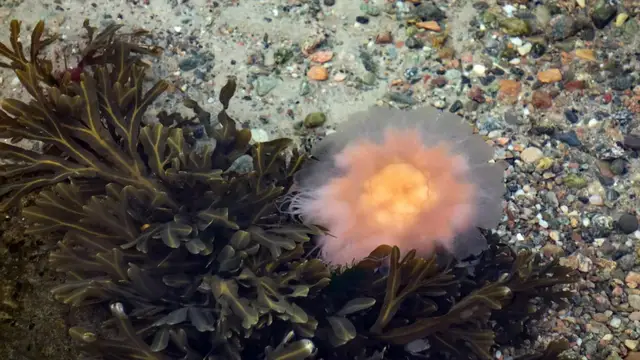
Hundreds of pink lion’s mane jellyfish washed up on a Baltic beach near Germany’s Fehmarn island, and a marine biologist warns that their stinging venom can stay active for some time after they die
“Jellyfish are part of the plankton, which means they cannot actively swim against ocean currents,” Ina Stoltenberg, a marine biologist at the GEOMAR…
ECOnews Newsroom · October 6, 2026
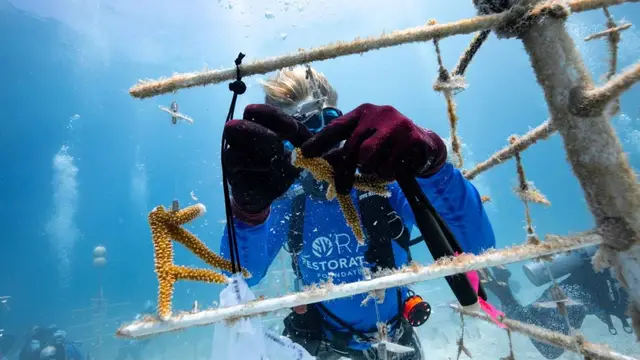
A Florida father and daughter started growing staghorn coral for a 4-H project around 2000, and after a 2023 heatwave killed 98% to 100% of wild staghorn and elkhorn in the Keys, the nurseries that grew out of it are banking the survivors’ genes
“Originally we were going to grow coral and sell it to the aquarium trade, just like the 4-H kids up north raised and sold pigs and chickens,” Ken…
Adrian Villellas · October 4, 2026
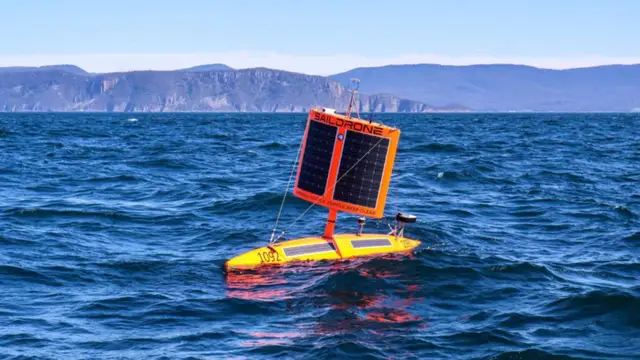
In the Southern Ocean, four 23-foot crewless sailboats will measure CO2 where ships rarely go in winter
At 3 p.m. on Sept. 20, in Storm Bay off Tasmania, a tow boat let go of a 23-foot sailboat with nobody on board, and Saildrone 1092 turned south, according…
Javier Niño · October 2, 2026
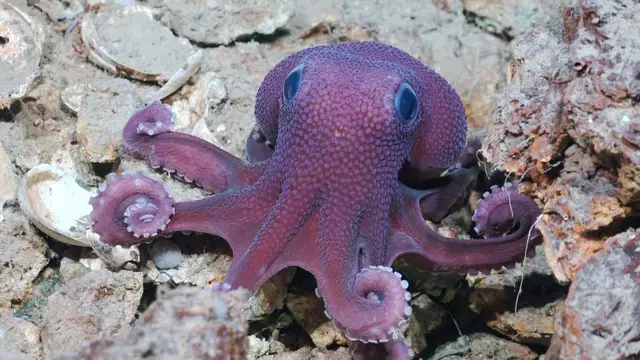
Scientists on Trinidad and Tobago’s first locally led deep-sea expedition followed 219 bubble streams to 25 cold seeps and found at least 20 possible new species, including an octopus first seen in 2014
Far below Trinidad and Tobago’s familiar coastal waters, scientists have documented 25 cold-seep ecosystems and at least 20 potentially new species. The…
Adrian Villellas · October 1, 2026
NOAA scientists studying sponges collected in Alaska trawl surveys as early as 1997 identified nine deep-sea sponges new to science, including a red one so unusual that it needed a brand-new genus
Scientists have identified nine previously undescribed sponge species in the Gulf of Alaska and the Aleutian Islands, bringing the region’s known total to…
Adrian Villellas · September 30, 2026
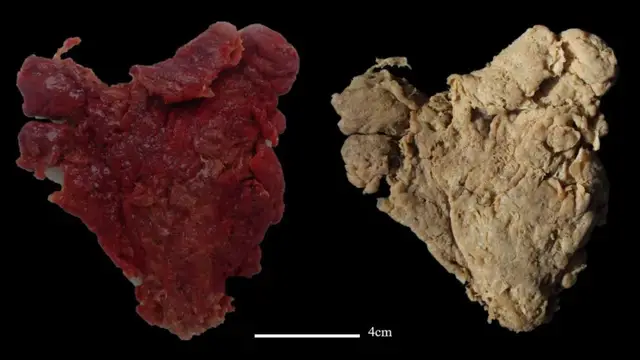
Scientists took the submersible Alvin 3 miles down to the world’s deepest known hydrothermal vents in the Caribbean to learn how shrimp find them in darkness, and they suspect an odd eye on their backs
Sunlight never reaches the Caribbean’s deepest hydrothermal vents, yet shrimp gather around these isolated patches of seafloor in enormous numbers. How do…
ECOnews Newsroom · September 29, 2026
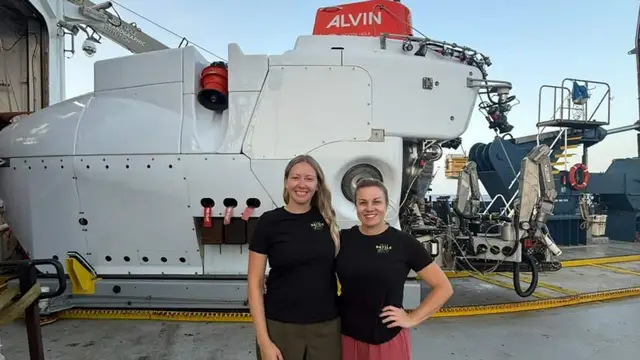
Scientists pulled a pale coral from 2,200 feet deep off South America and found a chitin network never seen in this group, which may help bubblegum corals grow branches without a central skeleton
A newly described coral from the southeastern Pacific is helping researchers investigate a surprisingly basic question about life in the deep ocean. How…
Adrian Villellas · September 29, 2026
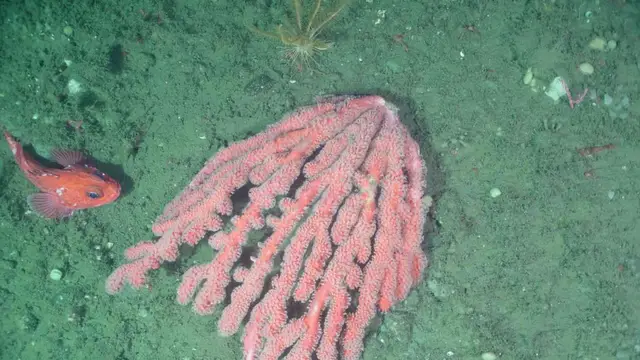
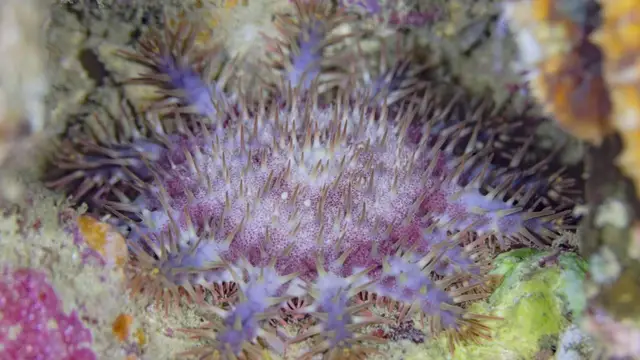
The crown-of-thorns starfish is blamed for ravaging the Great Barrier Reef, but a University of Sydney study found coral survived almost 75% of its bites on a protected reef and it may boost diversity
For decades, the crown-of-thorns starfish has been cast as the Great Barrier Reef’s number one villain. It’s spiny, venomous and able to strip whole reefs…
ECOnews Newsroom · September 29, 2026