A medieval fortress believed to have disappeared centuries ago has been identified inside a familiar building at University College Dublin (UCD). Substantial walls and other features of the original Roebuck Castle survive beneath the plaster of the present structure, according to research announced by the university in September 2026.
The oldest surviving section may date to the early 1200s, potentially making Roebuck the oldest standing building on an Irish university campus. But the discovery also reveals something more tangible than a possible record. Generations of renovations concealed parts of the castle while allowing them to survive.
A castle preserved inside a later building
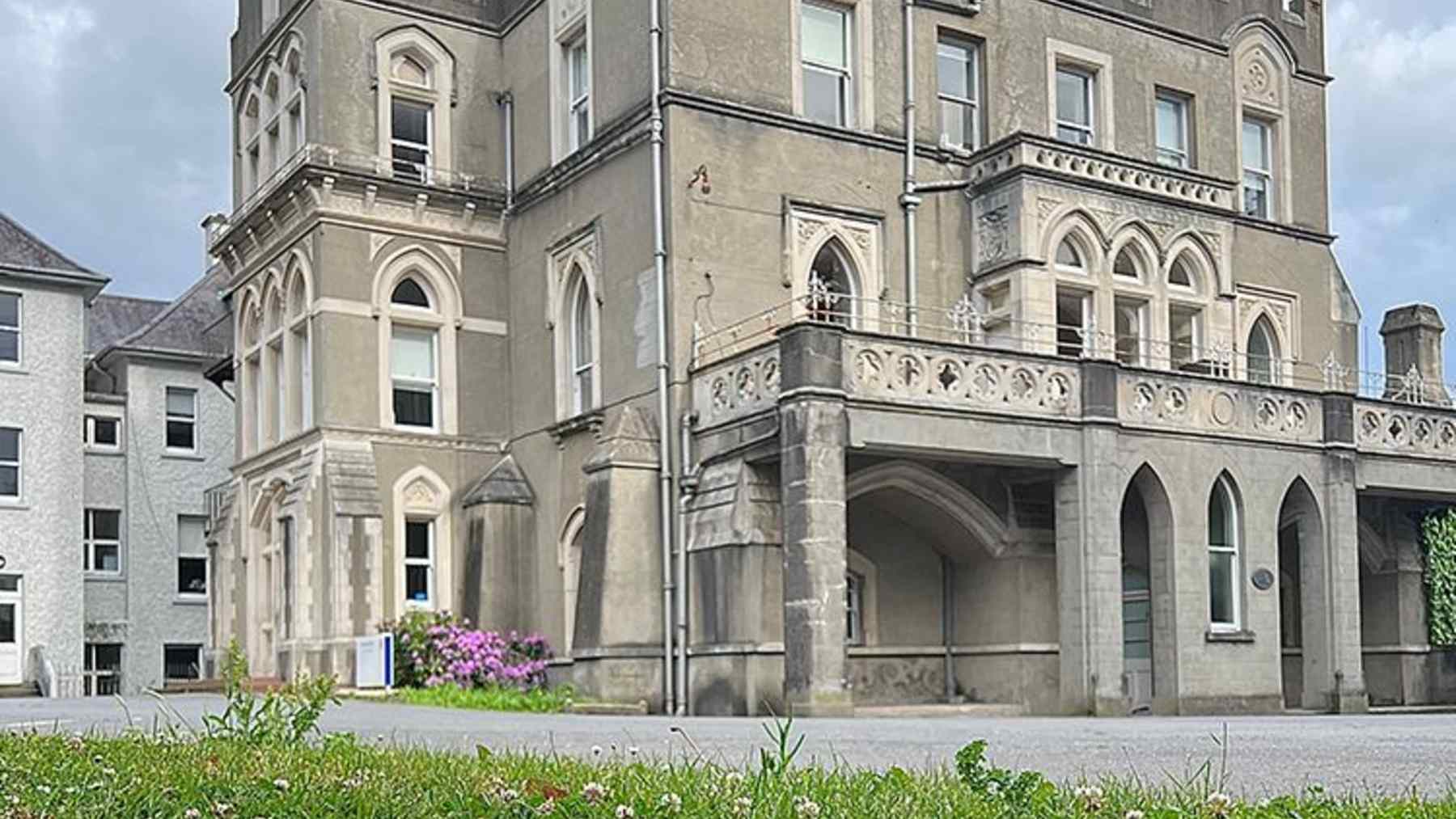
Professor Tadhg O’Keeffe, a specialist in medieval architectural history at UCD’s School of Archaeology, identified the surviving fabric within Roebuck Castle on the Belfield campus. The building’s outward appearance had helped hide a much older structure, one long assumed to have been demolished during redevelopment.
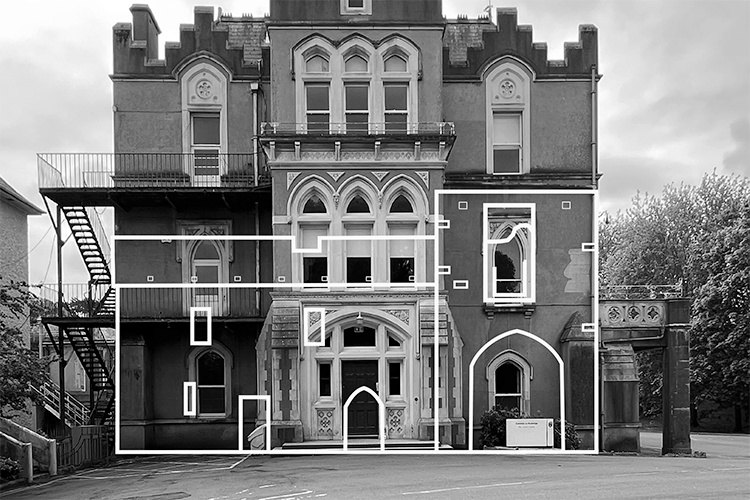
“Inside, though, the walls of the old castle are preserved,” O’Keeffe said in the university’s announcement. He explained that medieval features remain recognizable beneath the plaster, despite an exterior that appears Victorian.
The survival extends beyond the walls. According to O’Keeffe, the courtyard behind the present house is the medieval castle courtyard, preserved because later owners built relatively little elsewhere on the site. Even an ordinary-looking outdoor space can carry a much longer history than its surroundings suggest.
Watercolors supplied clues centuries later
One important piece of evidence came from Gabriel Beranger, an artist who recorded the ruined castle around 1765. His watercolors captured both its overall shape and smaller architectural details that helped O’Keeffe interpret the building’s development.
The National Library of Ireland’s catalog dates one Roebuck watercolor to 1765 and describes figures standing in the courtyard. That record supplies a documented view of the site long before its later transformations, offering a point of comparison for the surviving structure.
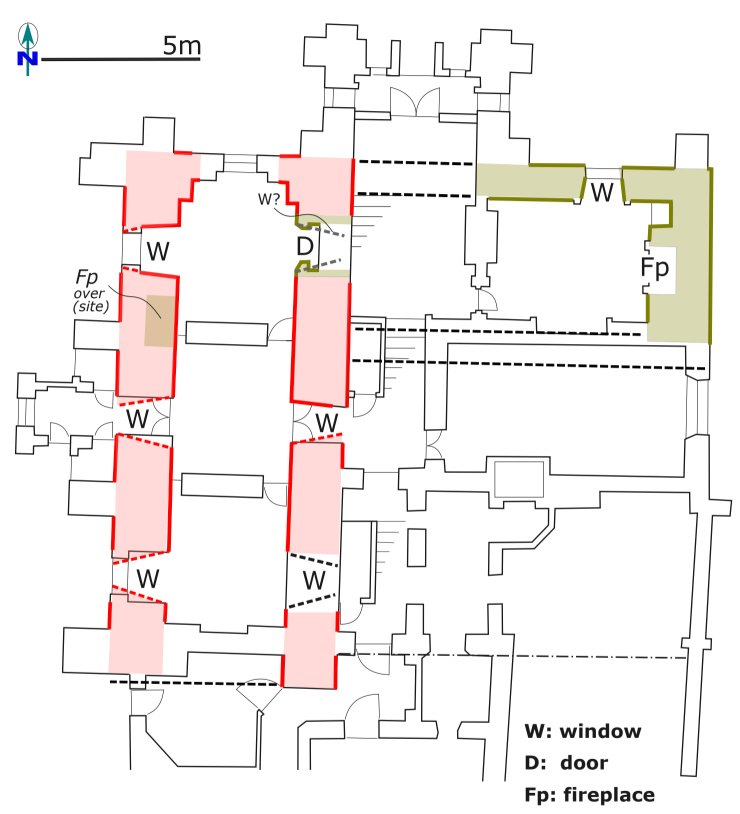
UCD’s research announcement illustrates the connection by superimposing an outline from Beranger’s drawing over the present facade. It also includes a plan distinguishing an older gate building from a later wing. Together, those illustrations help explain how a building can change dramatically in appearance while retaining an earlier layout.
A fortress on the approach to medieval Dublin
Roebuck once occupied an important position on one of the roads leading into medieval Dublin. Historical sources suggest it was built in the early 13th century, within living memory of the Norman invasion of Ireland in 1169, and subsequently altered several times during the Middle Ages.
Its occupants included a medieval Lord High Chancellor of Ireland. Another association is less certain, with tradition holding that the deposed James II stayed there in 1689. That royal visit remains a reported tradition rather than a finding established by the newly identified walls.
By the 18th century, the castle was a ruin, the condition Beranger recorded. Later rebuilding encouraged the belief that its medieval remains had finally been cleared away. The new interpretation changes that story by showing that substantial portions were incorporated into the structure that followed.
How remodeling helped the castle survive
According to UCD, many comparable castles were demolished during the 17th century, their stone reused to build more comfortable homes. Roebuck’s survival was different because Georgian and Victorian renovations retained parts of the medieval building itself, rather than simply reusing loose masonry elsewhere.
That distinction matters for archaeology. Walls surviving in their original positions, alongside a courtyard and recognizable building phases, can help researchers understand how a site was organized and changed over time. A stone reused in another house cannot preserve all those relationships.
“Lost buildings are lost historical records. They leave gaps in our knowledge,” O’Keeffe said. His observation gives the discovery a practical conservation message, suggesting that understanding an older building before altering it can help preserve evidence that its exterior does not reveal.
The castle’s exact age still needs investigation
How old is the earliest surviving section? O’Keeffe places it in the early 13th century, drawing on the architectural evidence, including Beranger’s detailed depictions. But UCD’s research account explicitly says further archaeological work is needed to establish the castle’s exact date.
For now, its potential status as Ireland’s oldest standing university campus building remains a claim by O’Keeffe. The research identifies substantial medieval remains within a building previously understood very differently, giving scholars physical evidence to revisit Roebuck’s history.
O’Keeffe’s article, “The Castle on the Campus,” appeared in the Autumn 2026 issue of Archaeology Ireland, according to the publisher’s contents listing. The official announcement was published on September 18, 2026, on the University College Dublin website.
Photo: University College Dublin