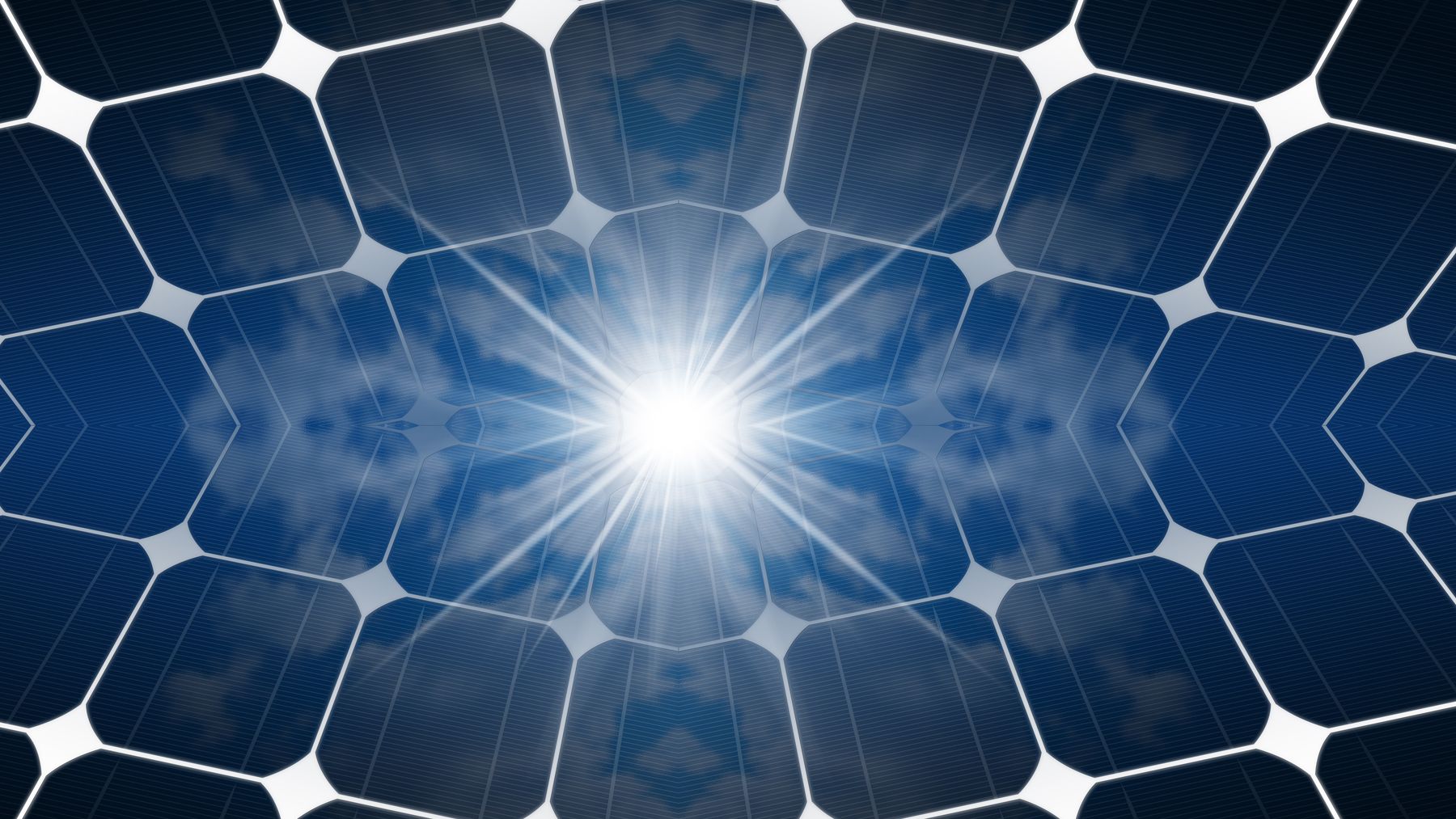
Another solar tree, or rather a solar garden, is being developed in Australia, and this solar garden may very well be the answer to a cleaner energy future. Requiring no rooftop installations, the solar garden draws inspiration from nature due to the eclectic mix of solar power, artificial photosynthesis, and a community initiative that challenges coal and hydrogen dominance. Solar power accessibility is at the heart of this net-zero emissions mission.
Considering the first solar garden, a community initiative
As per the Province’s Community Solar Program, the second solar garden, also known as Australia’s second solar tree, is being built. This decision was taken as a result of the success of the first solar garden that was launched at Pine Tree Park Estates.
The first solar garden has since been providing 555 kilowatts of clean power to 29 residential and commercial subscribers. People who cannot resort to solar panel solutions can now reap the full benefit of solar power through community subscriptions.
The new project, Sydney Solar, will be located in Sydney and will be developed as per the Province’s Community Solar Program. The government has contributed about $340,000 toward the project, which seeks to produce 1,7 megawatts, providing enough power to 170 homes.
While the new project seems exciting, the most interesting element is that of artificial photosynthesis that has been incorporated which copies the way plants convert water, sunlight, and CO₂ into energy. The future of solar power is being shaped, and energy efficiency is being boosted in the process.
Moving away from fossil fuels towards community solar gardens
Australia has always been seen as the world’s biggest coal exporter, and the country has become well-known for its role in blue hydrogen production resulting from carbon capture, along with natural gas. Both energy sources commonly associated with Australia have received much criticism regarding their carbon footprints and long-term sustainability.
That is why Australia is now showing its ability to become involved in community solar gardens, including the Sydney Solar, which challenges conventional fuels and allows for:
- Community ownership by building energy democracy and moving away from centralized solar control.
- The provision of low energy costs for residents and smaller businesses.
- Production of zero-emission energy with instant impact on local grids.
- Little to no household infrastructure and other costly conversions
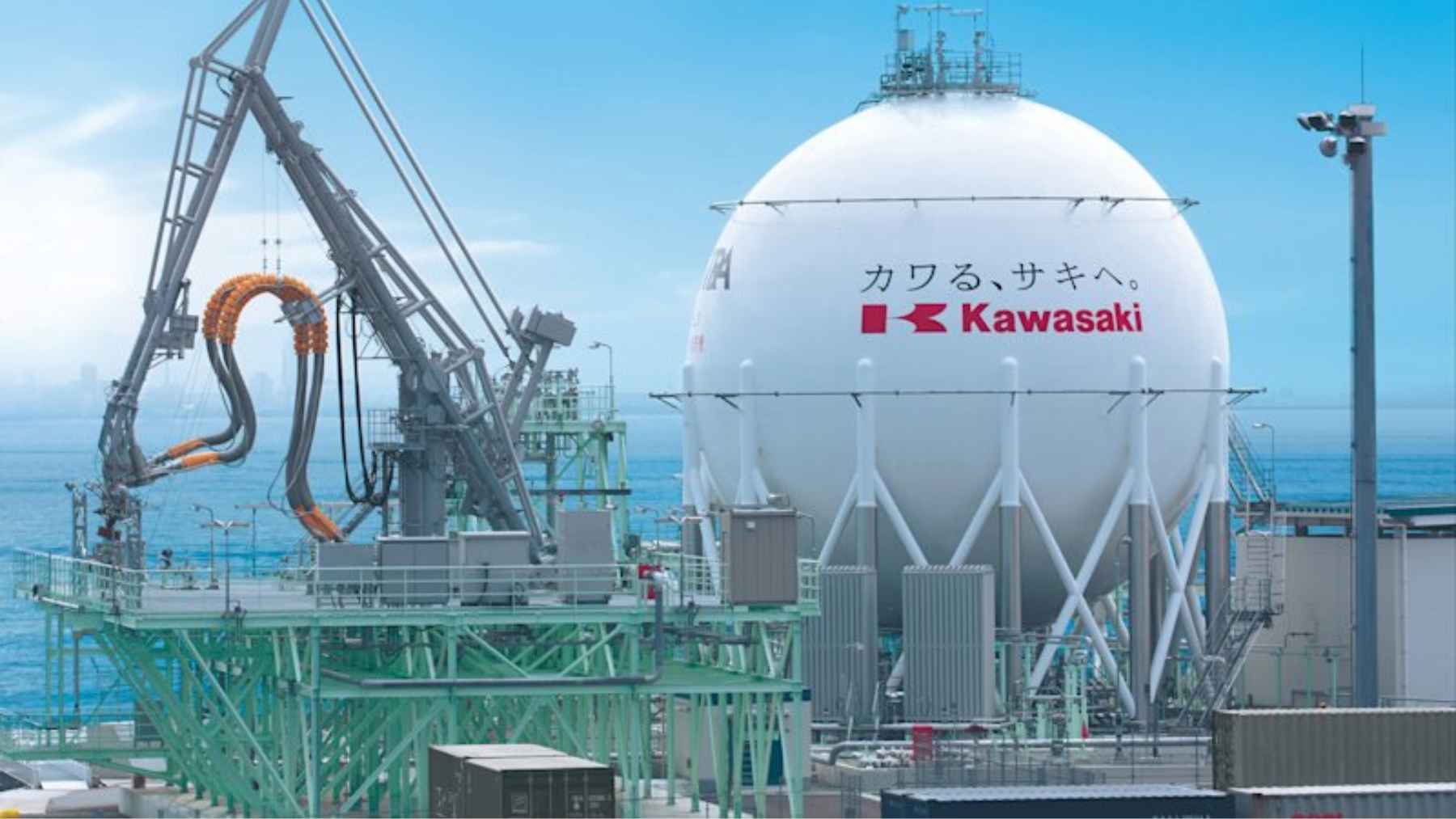
Although hydrogen is said to be the most sought-after fuel for the future, green hydrogen is energy-intensive and costly to produce. The hope is that the inclusion of solar trees will lead to hydrogen generation differently because of the sunlight and water. Australia further had plans to teleport hydrogen to Germany, with no one expecting how they would do it.
The Sydney Solar Project far cleaner energy initiative
This particular community solar project was ultimately meant for Australians who were unable to install rooftop panels, perhaps due to financial, legal, or even structural concerns. With this initiative, all citizens stand a chance to benefit from a clean energy solution that is financially lucrative.
All subscribers will gain solar energy at $0,02 per kilowatt hour on their power bills. Every solar garden will further provide employment opportunities. According to the Multicultural Association of Cape Breton, which was involved in the Sydney Solar project, the garden is a symbol of inclusivity that seems to be encouraging families to participate in Australia’s clean energy journey.
The model seeks to turn passive energy consumers into more active participants by encouraging them to move towards cleaner climate solutions.
Australia is growing in its clean energy solutions mission
The fact that Australia seems to be looking at a second tree shows the country’s devotion to continuing the solar power mission, and more so, how the country is looking towards artificial photosynthesis. In fighting against fossil fuels and unsustainable hydrogen, solar gardens are looking to change the sustainable energy program. Australia has ambitious plans for 1,900,000 solar panels per year by 2026, since the country is starting its biggest project in history.
Disclaimer: Our coverage of events affecting companies is purely informative and descriptive. Under no circumstances does it seek to promote an opinion or create a trend, nor can it be taken as investment advice or a recommendation of any kind.