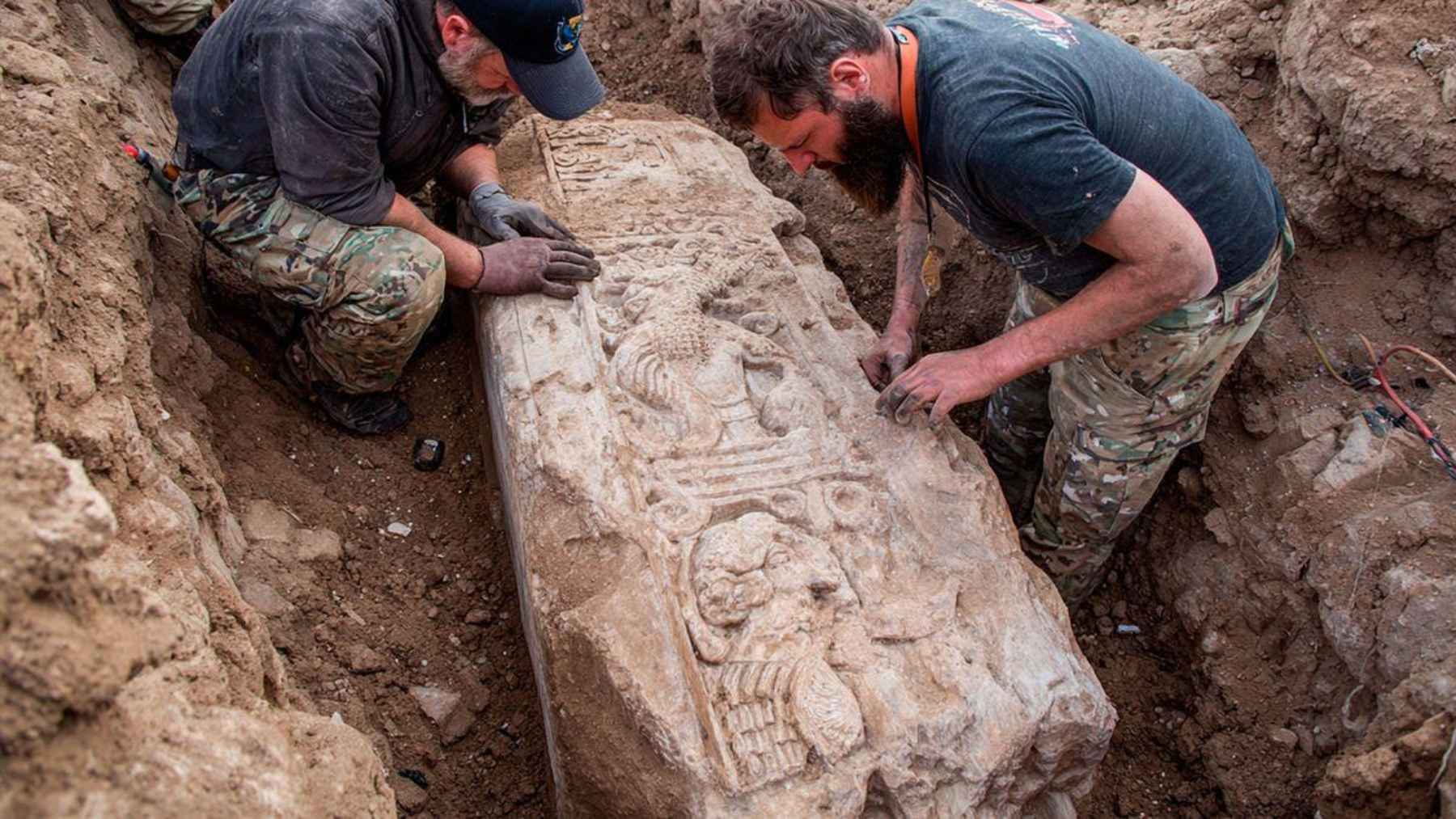
Archaeologists in Luxor have entered a rock-cut funerary chamber and found a tightly packed cache of painted wooden coffins tied to the ancient “Singers of Amun.” The discovery includes 22 coffins with mummified remains and eight rare papyri found inside a large pottery jar, and the mission was carried out by the Supreme Council of Antiquities and the Zahi Hawass Foundation for Archaeology and Heritage.
The find matters because it may tell a quieter story than the usual pharaohs-and-treasure narrative. Here, the spotlight falls on temple singers, the people who gave sound and rhythm to sacred rituals in ancient Thebes. What did their sealed papers preserve? That is the question researchers now have to answer.
A chamber packed with purpose
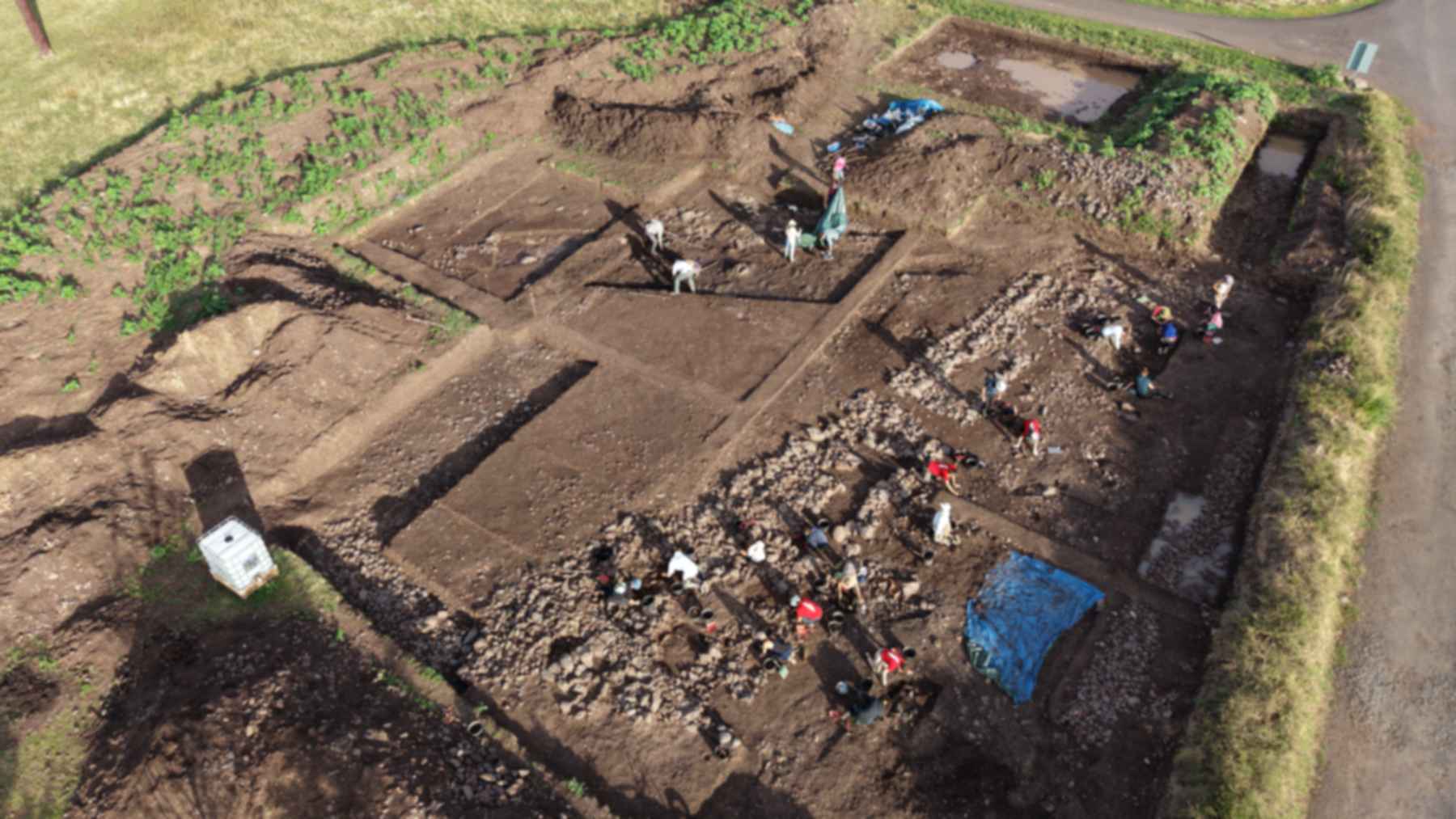
The chamber was cut into rock in the Qurna area on Luxor’s West Bank, in the southwestern courtyard of the Tomb of Seneb. It appears to have worked as a funerary cache, meaning a storage place where coffins were gathered after earlier burials or later moves.
Inside, the coffins were not tossed in randomly. They were arranged in 10 horizontal rows, with lids separated from boxes to make room, a detail that points to planning rather than panic.
This kind of setup feels almost like someone solving a tight storage puzzle, but in this case, every box held a person, a title, and a piece of temple life from nearly 3,000 years ago.
Why the titles matter
Most of the coffins reportedly do not carry personal names. Instead, they carry professional titles, with “Singer of Amun” or “Chantress of Amun” appearing as the key label.
That small detail changes the way we read the find. It suggests that in this burial setting, a religious job could matter as much as family identity, perhaps even more.
Hisham El-Leithy, secretary-general of the Supreme Council of Antiquities, said researchers are working to understand the mystery of the cache and identify who was buried there. For now, the title is the strongest clue.
Who were the Singers of Amun?
Amun-Re was the great god of Thebes, and Karnak was one of his main religious centers. Smarthistory describes Karnak as the principal religious center of Amun-Re during the New Kingdom and one of the largest religious complexes in the world.
The Singers of Amun were women who helped perform temple ritual through sacred music, singing, and sound. A University of Chicago account of Meresamun, an Egyptian temple singer around 800 BCE, says women from elite families served inside the Temple of Amun at Karnak while priests made offerings performed and purification rituals.
They were not background decoration. Their voices helped animate ceremonies that connected ordinary life, temple authority, and the gods. They were part of the system that kept the religious heart of Thebes beating.
The papyri may be the biggest clue
The eight papyri may turn out to be the most important pieces in the room. Several still have their original clay seals, which means the texts have not yet been opened, conserved, and translated.
Could they be prayers for the dead, records of temple work, or lists tied to burial management? Researchers cannot say yet. That uncertainty is part of the story, and a healthy reminder that archaeology often begins with silence.
The Metropolitan Museum of Art offers a useful comparison through Nauny, a Chantress of Amun-Re whose burial included a Book of the Dead papyrus. That does not prove what the Luxor texts contain, but it shows how papyri could travel with women connected to Amun’s cult.
A fragile discovery
The coffins were found in poor condition, especially the wood and painted plaster layers. Restoration teams carried out emergency conservation, reinforcing weak fibers, stabilizing flaking surfaces, and cleaning away deposits without damaging the colors.
That part may sound less thrilling than the discovery itself, but it is essential. Without careful conservation, a painted coffin can lose details faster than a phone photo can capture them.
The objects were documented and moved to storage for further restoration. The papyri still await conservation and translation, so the most newsworthy words in the room remain unread.
Why this changes the story of Luxor
The cache dates to Egypt’s Third Intermediate Period, the era between the 21st and 25th Dynasties. In simple terms, it was a time when political power was divided, while Thebes remained strongly shaped by the priesthood of Amun.
That is why the discovery is more than a dramatic chamber scene. It offers a physical snapshot of how temple communities handled death, memory, and perhaps protection during a complicated period.
Sherif Fathy, Egypt’s minister of tourism and antiquities, framed the discovery as part of the country’s broader work to protect cultural heritage and support research. Zahi Hawass, head of the excavation mission and former antiquities minister, described the find as exceptional because it opens a window onto hidden parts of the Third Intermediate Period. The statement is cautious, but the implication is big.
What happens next
The mission is still searching for the original tombs from which the coffins may have been moved. Finding those locations could show whether the singers were first buried together as a temple group or gathered later from different places.
Afifi Rahim, the mission supervisor, said excavations are continuing as researchers try to trace those original burial sites. That answer matters because it could reveal whether this was a planned collective burial, a later consolidation, or something in between. For now, Luxor has given researchers a room full of painted coffins and a sealed paper trail.
The official press release has been published on the website of Egypt’s Ministry of Tourism and Antiquities’ website.