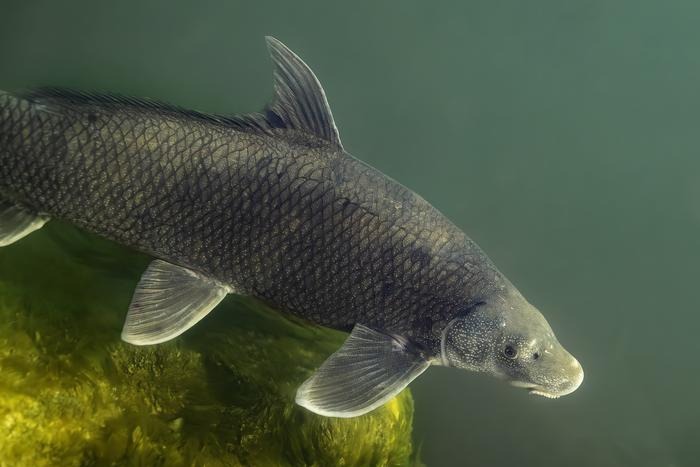
A blue sucker pulled from the Upper Missouri River in Montana turned out to be 131 years old. Scientists say this sleek freshwater fish is one of the longest-lived animals in North America.
Earlier reports put the longest age at 61 years, and none had been validated. The new maximum is 70 years older than previously reported, according to the study, published in Communications Biology on November 18.
Some of the fish sampled in 2023 and 2024 hatched in the 1890s. One of the oldest hatched “around two years after Montana became a state,” Luke Holmquist of Montana Fish, Wildlife & Parks said in the university’s release.
Reading a fish like a tree
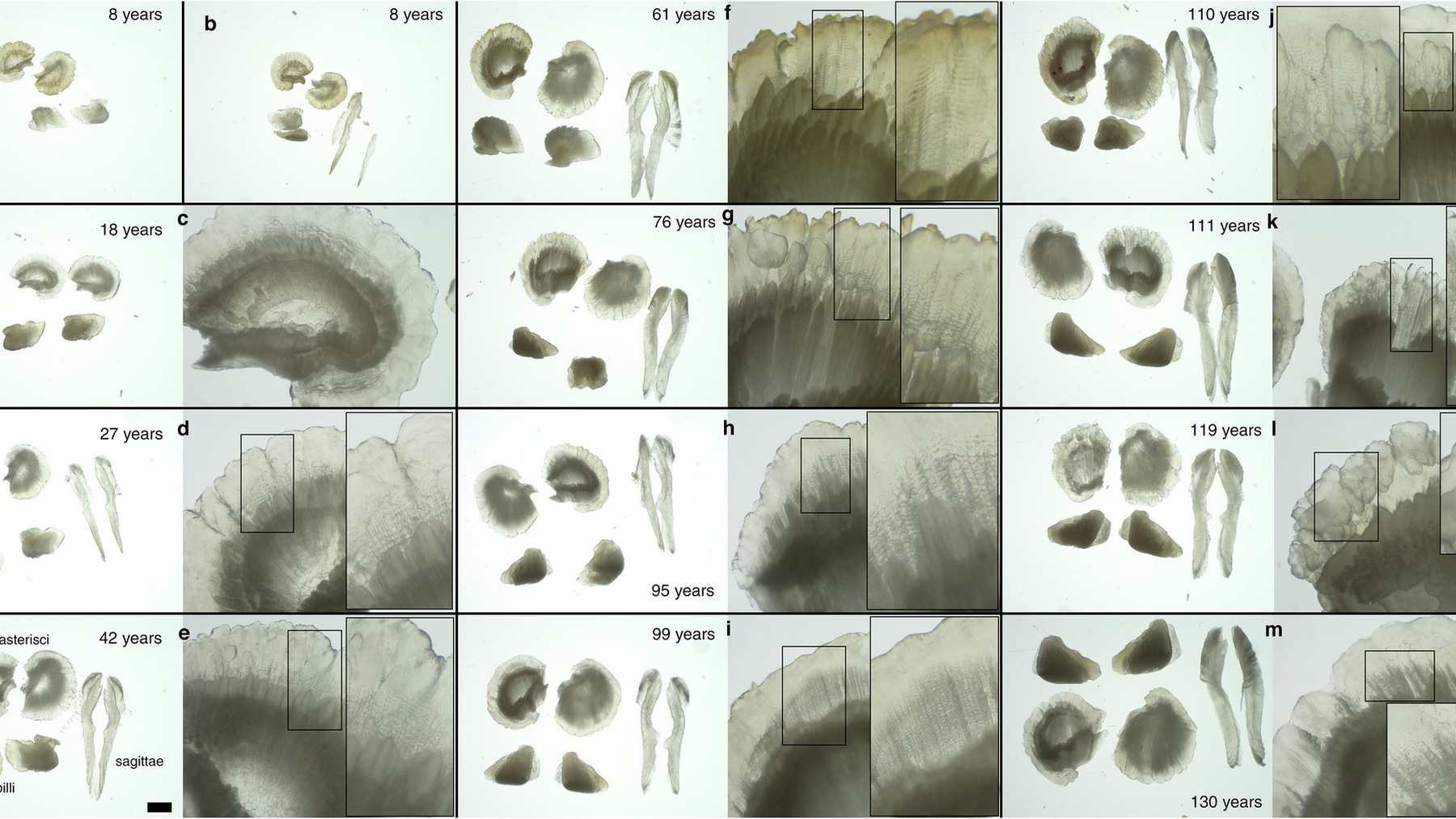
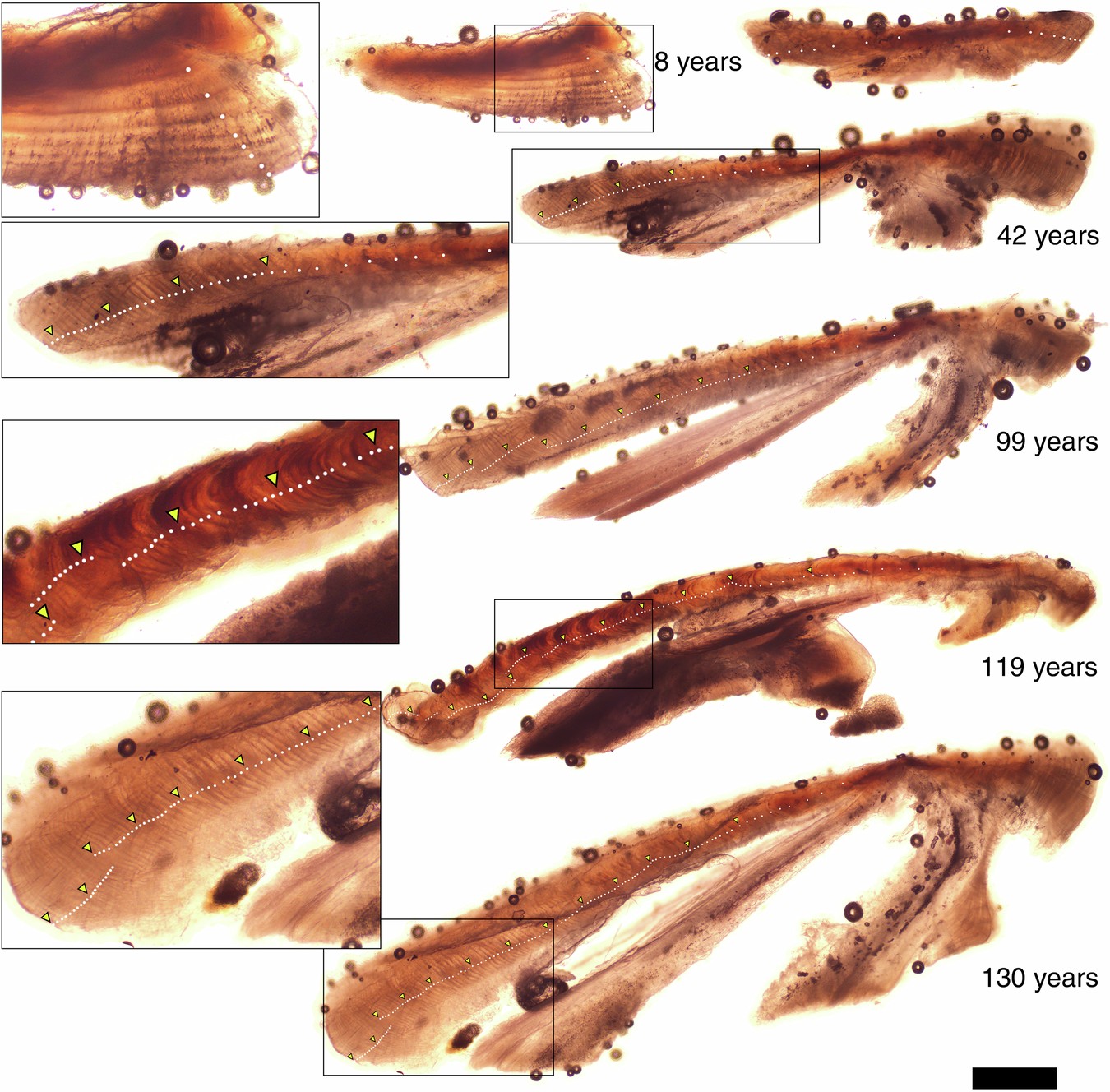
Fish carry tiny ear stones called otoliths, which add a growth band each year, much like tree rings. The team sliced these stones into thin sections and counted the bands under a microscope.
The work was co-led by Alec Lackmann, a fisheries scientist at the University of Minnesota Duluth, Holmquist and Allen Andrews of the University of Hawai’i at Mānoa. Lackmann noted that the blue sucker has “extremely small otoliths,” in the university’s release.
The researchers aged 42 fish from the Upper Missouri River. One reached 131 years and another 130, the paper reports, and about half were 99 or older.
Cold War bombs as a clock
To check the counts, the team used bomb radiocarbon dating. Nuclear weapons tests in the 1950s and 1960s sent a pulse of carbon-14 into the atmosphere, and it ended up in rivers and in the ear stones of fish.
Bands laid down before the tests show low carbon-14 levels, while later bands show the spike and its slow decline. In one fish, the samples traced the entire bomb signal across an estimated 119 years of growth.
That match confirmed the bands are yearly, so the ages are not overcounted. The blue sucker is now validated as a supercentenarian species, living well beyond 100 years, the authors write.
The oldest fish were already in the river during a very different era on the Great Plains. By the late 1800s, fewer than 1,000 bison were left in North America, before conservation slowly brought herds back.
A population of old fish
About half of the fish in today’s population hatched in 1925 or earlier, the evidence indicates. Between 64% and 76% hatched before three large dams were finished: Fort Peck in 1940, Canyon Ferry in 1954 and Tiber in 1956.
Young fish are scarce. Surveys over the past 30 years found very few juveniles, and the researchers say this points to recruitment failure, meaning too few young fish surviving to replace the old ones.
Spring peak flows in the Upper Missouri have declined significantly over the past 135 years, the study found. Blue sucker recruitment is linked to those spring flows, and success has become less likely since the dams went in.
Dams can affect fish in other surprising ways. On the Columbia River, sea lions learned to wait below Bonneville Dam for salmon moving up a fish ladder.
Spots that come with age
Older blue suckers tend to collect black and orange spots on their bodies. The likelihood of both kinds of spots rises with age, the team found.
Taking out ear stones kills the fish, so the spots could one day help estimate age without harming them. Photos of the same fish over several captures could also track growth and movement, the authors suggest.
Such long lives were unexpected, the authors write, because blue suckers live year-round in fast-flowing rivers that demand more energy than lakes. But the Montana fish live at the northern edge of the range. Maximum fish lifespans generally increase with latitude.
Other organisms can reach a remarkable scale. One example is the Humongous Fungus spreading through 2,385 acres of Oregon forest soil.
Why the species needs attention
The blue sucker lives in 23 US states, and 22 of them list it as threatened or under a similar conservation category. In Montana it is a Species of Concern. Anglers rarely target it, but there are no harvest regulations there, the study notes.
It is the fourth sucker species found to live past 100 since 2019, after the bigmouth, smallmouth and black buffalo, according to the university. In the paper’s comparison, only the bigmouth buffalo, at 148 years, lives as long. An unvalidated 152-year estimate for lake sturgeon is set aside.
The authors call for an urgent reassessment of the species’ status and immediate conservation measures. The research was funded by Montana Fish, Wildlife & Parks and NorthWestern Energy, the University of Minnesota Duluth said on November 20.
Image: Lackmann et al., Communications Biology, CC BY 4.0