UW’s aeronautics and astronautics professor, Emeritus Abe Hertzberg, plans to disrupt the automotive market with his invention, which is superior to electric cars. Hertzberg and colleagues created a vehicle powered by liquid nitrogen named LN2000, which does not emit any toxic substances and has a distinct way of generating fuel that purifies the air.
The Mechanics of How These Liquid Nitrogen Cars Operate
The LN2000 functions more or less like a steam engine, except it uses vaporizing liquid nitrogen instead of steam. The nitrogen vapor causes an air motor to spin to move the car, and the exhaust is only nitrogen, which exists in approximately 78% of our atmosphere. This is to say that there is hardly any imprint of the environmental capacity of these vehicles.
Another significant advantage of liquid nitrogen cars is minimizing emissions during fuel production. Air is passed through a big refrigeration cycle to produce liquid nitrogen, whereby other gases such as CO2 and SO2 are also separated. These pollutants can be safely disposed of in discarded oil and gas wells or deep sea areas.
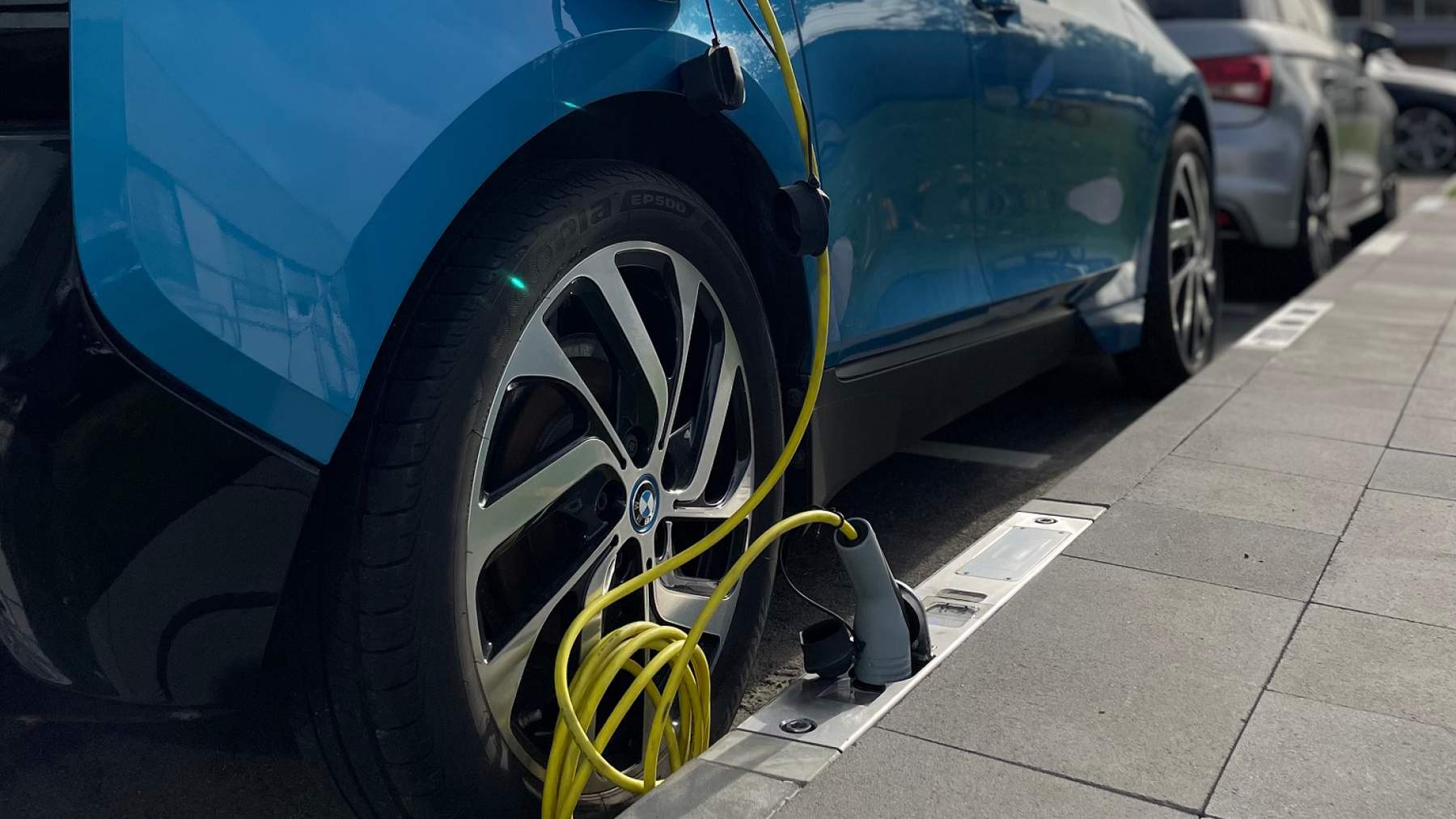
Consequently, electric cars that are lauded as environmentally friendly have several demerits. Lead-acid batteries in many electric cars result in low range and poor performance in cold climates. They also present high hazards to the environment because of the content of heavy metals. There are more recent battery technologies such as NiMH and lithium ion; they deliver higher performance, but their cost is high, and the risks are also high.
On the other hand, liquid nitrogen is nonburning, non–corrosive, non–powderous, and colorless. The main difficulty has been that the heat exchange of the electronics must happen in a heat exchanger that does not freeze upon contact with liquid nitrogen. The UW team has achieved this by making the LN2000 a possible substitute for the existing system.
Consumer Product with Premium Price Tag
LN2000 prototype was developed using a vehicle base of a Grumman Kubvan mail truck to illustrate that liquid nitrogen vehicles are plausible. Although there are some drawbacks in the currently developed prototype, which has a top speed of 22 mph and high nitrogen consumption rates, the team still believes that these drawbacks can be overcome by enhancing the machine’s efficiency in the future.
Making further funding applications, Hertzberg is working towards designing a better motor that will be able to churn out speeds beyond 60 miles per hour and improved gasoline efficiency. That is, liquid nitrogen cars need to be as accessible and cheap to operate as cars that run on gasoline.
Liquid Nitrogen and Hydrogen Bonus and Electric Cars
Hydrogen and electric automobiles are commonly used technologies, and their disadvantages are that liquid nitrogen cars have the following benefits. They can also be recharged fast, comparable to the refueling of gasoline cars, and do not necessitate a new structure for massive adoption. Interestingly, highly profitable liquid nitrogen can be dispensed from existing gas stations with minor modifications.
Furthermore, liquid nitrogen cars are believed to run at a lower cost than normal-aged cars. If the mass-produced liquid nitrogen costs 10 cents per gallon, then the LN2000 would cost about 4 cents per mile to drive, much cheaper than the 7 cents per mile the electric cars would consume.
Thus, the LN2000 is a new generation of zero-emission vehicles. It has several problems in achieving that, especially in winning approval from an industry and a public wedded to gasoline and battery-powered automobiles. Still, its environmental and economic advantages are enormous.
In the future, as the search for environmentally acceptable means of transport continues, liquid nitrogen cars such as Volvo may prove helpful. It is suggested that they can provide accurate, low-cost, and eco-effective solutions to the existing technologies, which makes them prospective for the future.