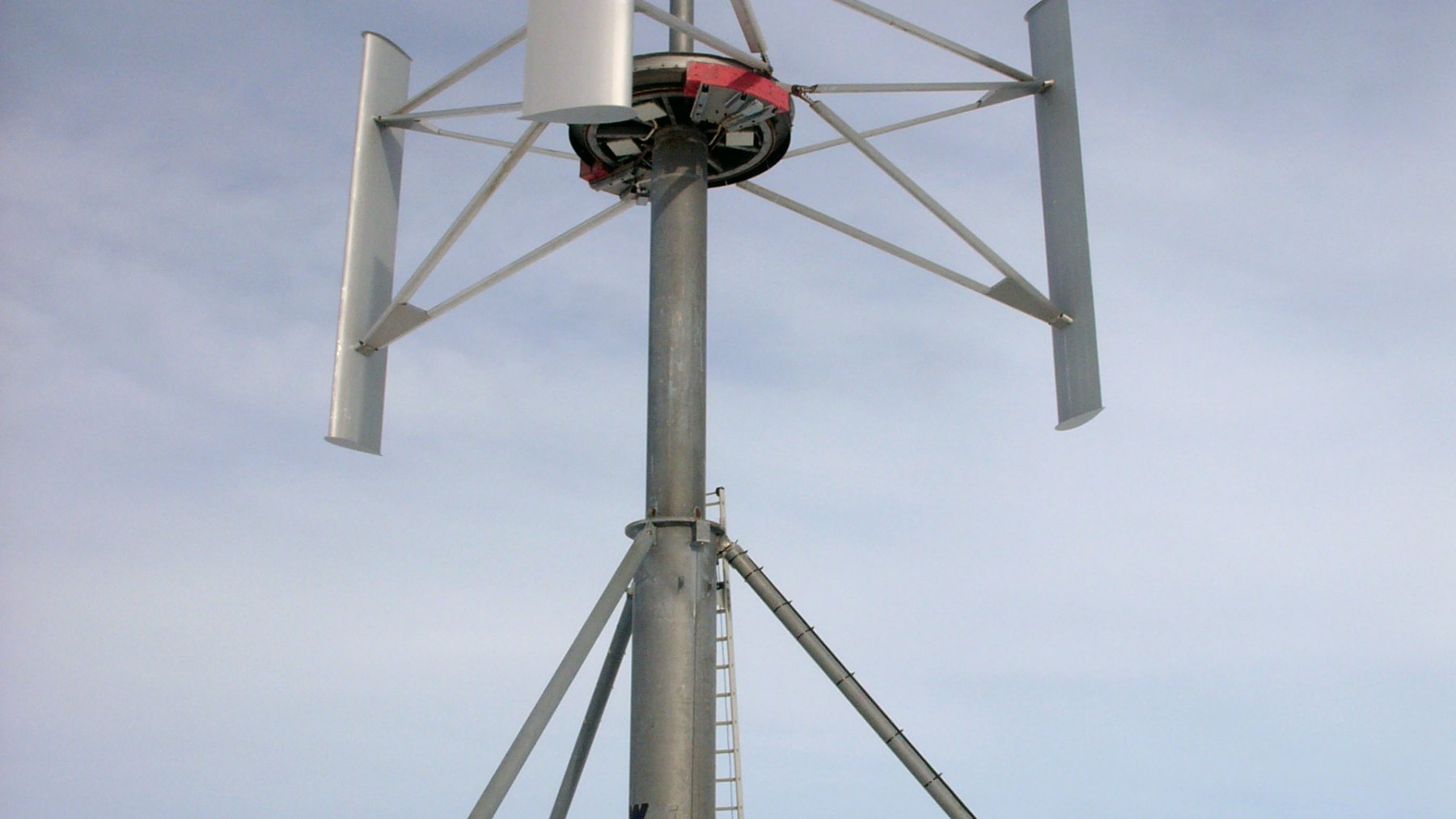
The Winstrument has entered the free energy game, and it is set to address all the flaws associated with traditional wind turbines that have become popular contributors to clean energy generation. Whereas many traditional turbines are noisy, cause a disruption to the environment, and have other negatives, the Windstrument is far more elegant but works as effectively despite its sleek design. Could the Winstrument bring about the end of the wind turbine for good?
What makes the Windstrument a game changer in the free energy game?
Firstly, the Windstrument is far more compact and can be installed in places where space is restricted and even on rooftops. One unit can take care of all the energy needs of a home while reducing the home’s utility bill considerably. Windstrument goes beyond where traditional clean energy sources tend to go.
While Windstrument can effectively be used by homeowners, it can also work well for larger buildings. Due to the modular nature of this system, clusters of turbines can be catered for and mounted on a single pole. These clusters of turbines are called “Wind Orchards”.
Providing a cleaner energy solution for larger spaces and smaller ones, it is not hard to see why the Windstrument is changing the energy game. However, installation is ever so easy and user-friendly too. The manufacturer of Windstrument, Unified Energies International, has stated that its overall goal is to keep the prices for this system reasonable so that it is within reach of everyone. No longer is there a need to pay forward huge amounts to rely less on the grid and to harness the power of free energy.
Many reasons for switching to Windstrument
While we may have heard of 100 wind turbines rotating at the same time set to destroy solar panels, the Windstrument comes in as a prototype set to destroy larger wind turbines. Windstrument users can as such:
Lower electricity costs
Relying on free energy means reducing your energy bill, which may not seem to have a big impact at first, but when taken into consideration over time, it could make a significant difference, more so since utility bills are always on the rise due to inflation.
Serve as a source of backup power
The ability to have a backup power source should never be taken for granted, and with Windstrument, homeowners and businesses can rely less on the grid in times of need.
A quieter solution
A core benefit of the Windstrument is that it functions silently, making it an effortless clean energy source in a residential area. When used on rooftops, the Windstrument offers a bird-safe design that provides a solution to harness clean energy without harming the birds or causing noise pollution.
Looking at how the Windstrument works
As opposed to traditional wind turbines that offer almost 25,000 kWh of free energy due to their large blades continuously spinning, the Windstrument features a conical helicoid blade that draws inspiration from racing yacht requirements.
The novel-shaped blades get mounted on a vertical tree branch-like structure in such a way that they can operate even when wind conditions are not ideal. Despite being great at generating power, the Windstrument takes up barely any space while keeping innocent birds in mind. Many traditional turbines have been criticized for unknowingly causing harm to birds in flight. Thus far, no bird injuries have been reported even when Windstrument was placed in an environment filled with flocks of birds.
Where to next for Unified Energies?
Unified Energies realizes the potential of their Windstrument, and they are working to produce several thousand units per month. This production rate is said to double or quadruple by 2026. Chances are that very soon, many homeowners and businesses will turn to Windstrument to take care of their clean energy needs this summer and in the long term.