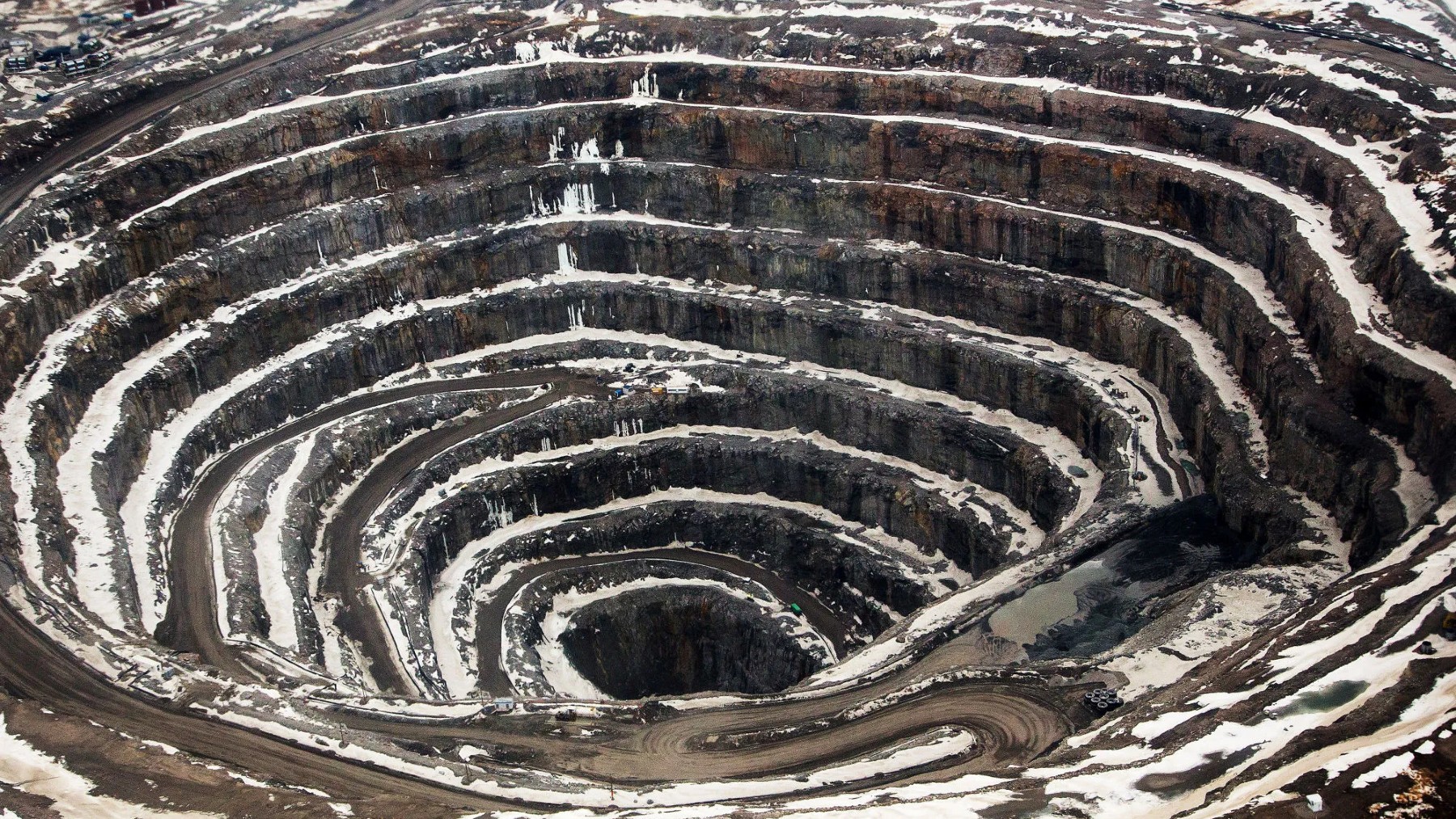
Manufacturing and mining industries produce more greenhouse gasses than individual homeowners. These companies are shouldering a large burden when it comes to transitioning to clean energy sources. The Diavik diamond mine in Canada just brought its solar power plant online with 6,620 panels catching the sun’s light and turning it into electricity. Mining company Rio Tinto is looking forward to using the solar power plant to reduce carbon emissions at the diamond mine.
Digging for diamonds just got a lot cleaner for the environment with the installation of this solar energy power plant
Diamonds don’t grow on trees; they’re found inside the Earth, usually deep under the surface or inside mountains. Extracting diamonds takes a lot of energy. Mining companies like Rio Tinto usually have to run their mines on diesel fuel. Unfortunately, this kind of fuel is not good for the environment. Burning diesel fuel or any other type of gasoline or petroleum-based product sends carbon dioxide into the atmosphere. Over time, the CO2 acts like a blanket for Planet Earth and warms up the whole planet, causing intense climate events and unpredictable weather.
The answer to this problem might seem simple: don’t use fossil fuels for energy. However, any company wanting to transition to clean energy has to invest the time and money into setting up the right infrastructure. In the case of the Diavik diamond mine, Rio Tinto understands the benefits of using solar power to offset its carbon emissions. Its diamond mine is one of the first of its kind to employ renewable energy for the sake of reducing emissions.
Rio Tinto wants to reduce diesel used at its facilities to help protect the natural environment and the future
Rio Tinto has ambitious goals when it comes to sustainability. According to the company’s website, it aims to transition all its facilities and operations to net-zero greenhouse gas emissions by 2050. To achieve this, the company is working with governments to scale up renewable energy resources where it works. For example, Rio Tinto invested more than $500 million to partner with the Canadian government to decarbonize an iron and titanium mine in Quebec.
Mining companies like Rio Tinto provide necessary metals and minerals for global clients. The company’s products and resources are used all over the world in items that people use in their daily lives. Unfortunately, mining with diesel fuel produces carbon dioxide. Rio Tinto is exploring the effectiveness of renewable energy sources in its operations to try and reduce the negative impacts mining has on the Earth.
With solar panels on site, the Diavik diamond mine will produce nearly 4.2GWh of energy to run industrial operations
The Diavik diamond mine features a historic solar power plant that can produce up to 4.2GW hours of electricity for its operations. The solar panels on-site use both the light of the sun as well as light reflected off of snow to generate electricity.
Canada has a unique advantage when it comes to solar energy. The country is covered in snow for many months a year due to its position in the far north of the Northern Hemisphere. Snow reflects a lot of light, which means solar panels can run even in the winter. Rio Tinto embraced this reality when it decided to invest in a large solar power plant to help the mine.
Not many companies are as committed to the environment as Rio Tinto. Few mines have as many solar panels as the Diavik diamond mine. This transition to a greener energy source will hopefully set the bar for other mining companies around the world. There is no future without renewable energy, and Rio Tinto is making strides toward a carbon-free future.