Imagine prying open a doorway that has not moved since Neanderthals walked along the Mediterranean shore. That is roughly what archaeologists have done inside a hidden chamber in Gibraltar. What would you expect to find on the other side?
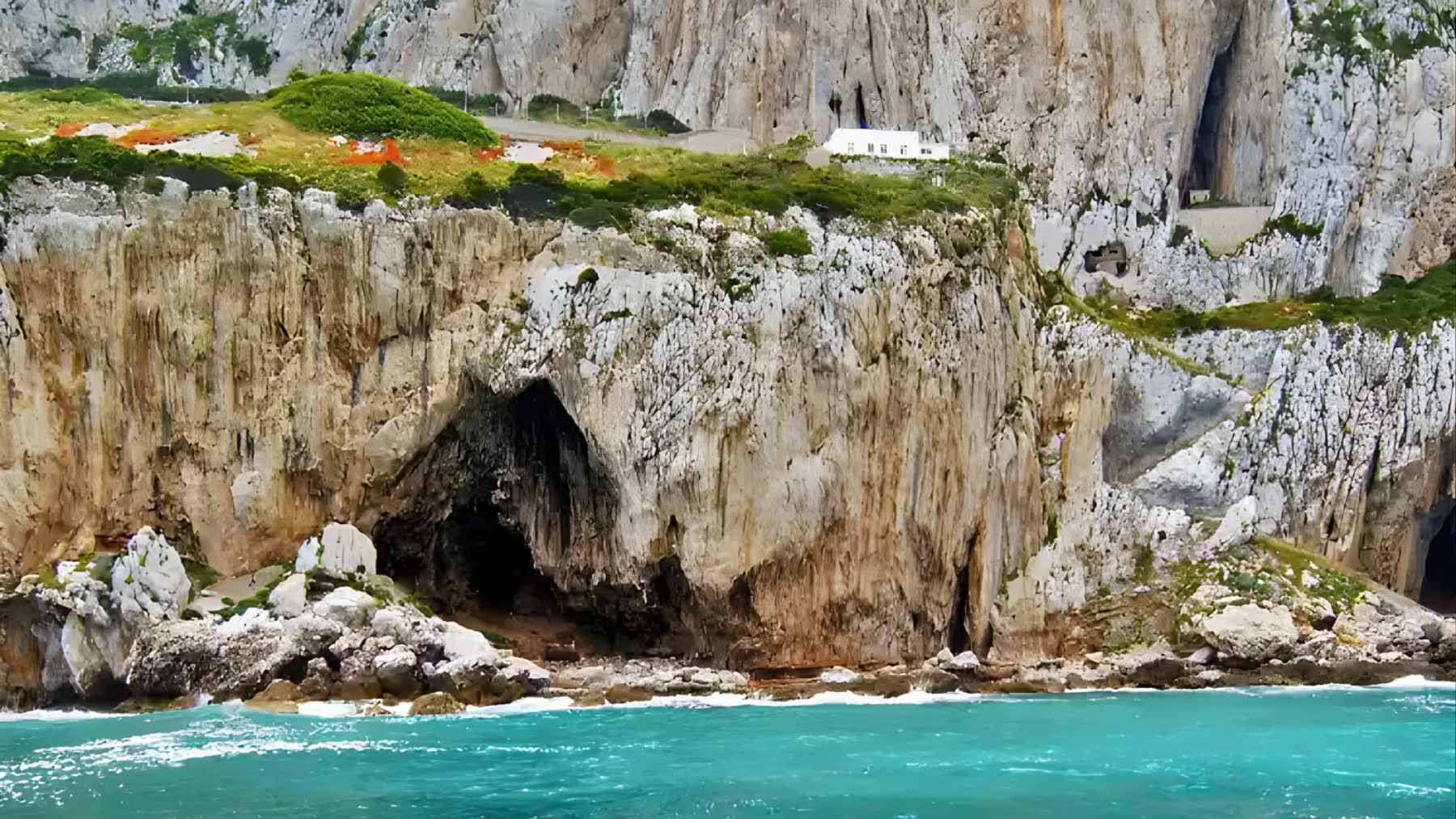
The newly opened space, sealed by sand for around 40,000 years, lies at the back of Vanguard Cave in the Gorham’s Cave Complex, a UNESCO World Heritage Site on the eastern face of the Rock of Gibraltar.
Early results point to a rare time capsule from some of the last Neanderthals in Europe, long after the species had vanished from most of the continent.
A cave room untouched since the Ice Age
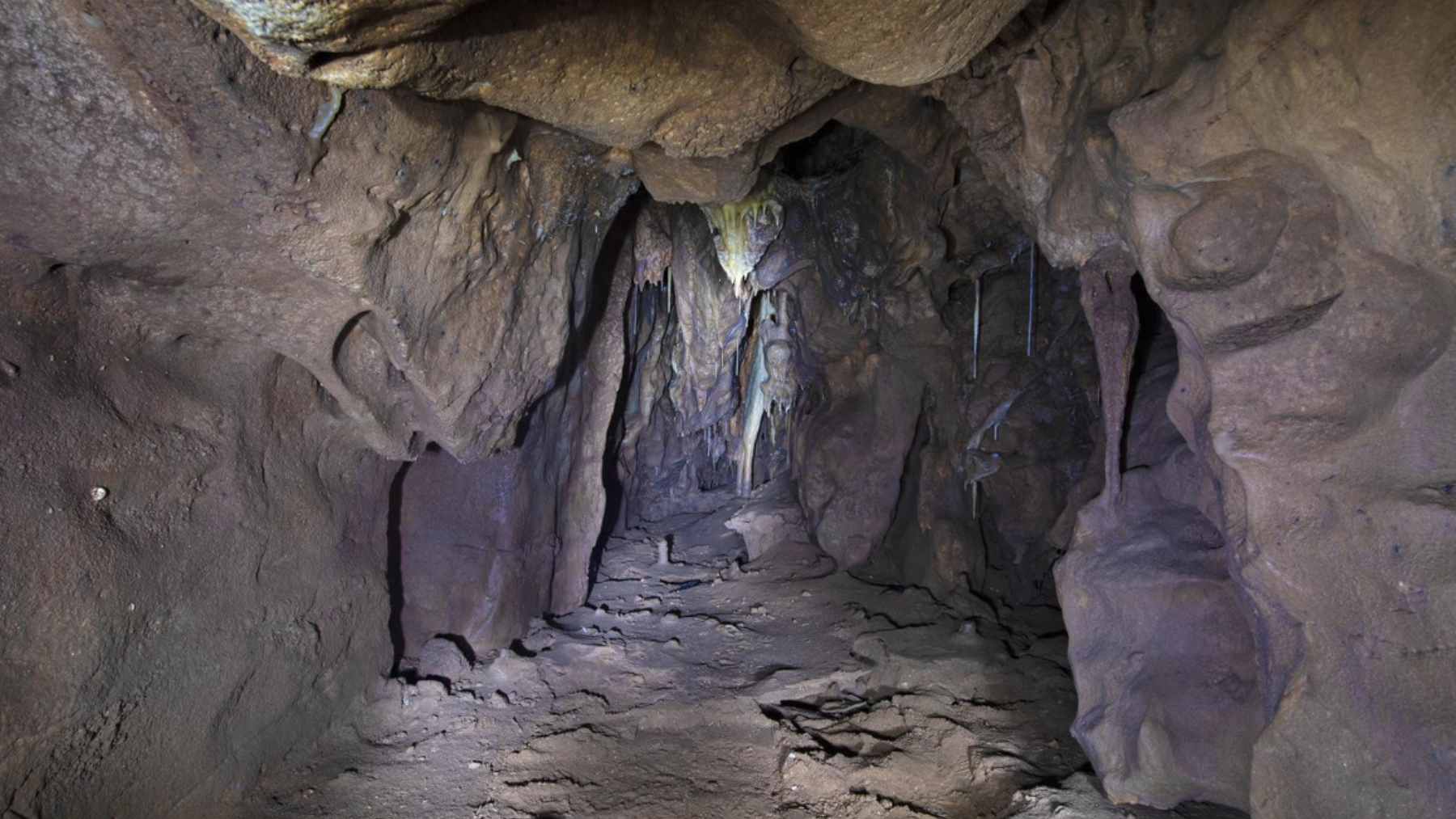
Archaeologists from the Gibraltar National Museum spent years digging through sand at the rear of Vanguard Cave, looking for passages blocked by ancient sediments. Their work finally revealed a chamber about 13 meters long, tucked high into the cave roof and sealed off from the outside world.
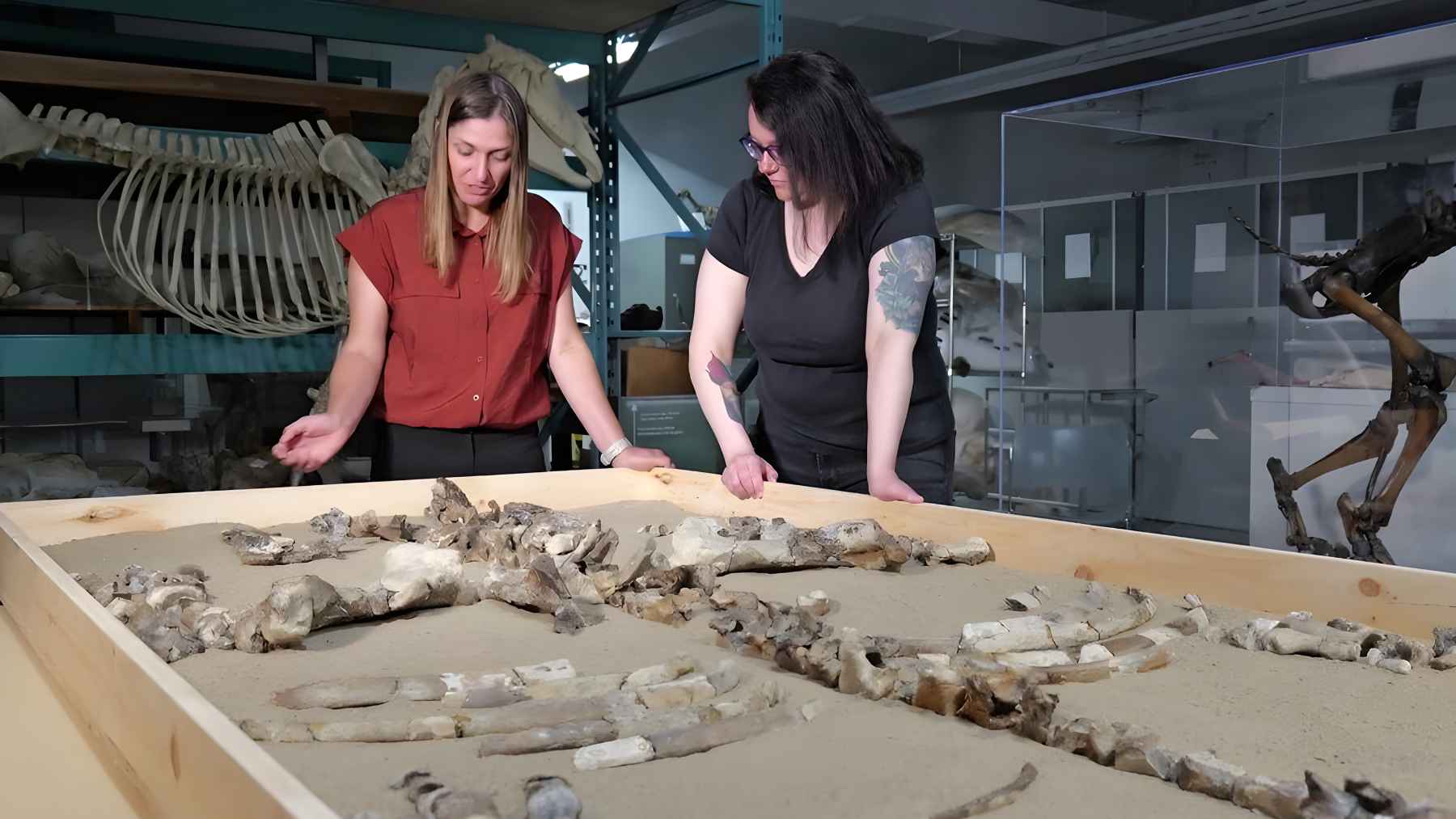
On its undisturbed floor, the team found bones of lynx, hyena, and griffon vulture, along with claw marks left by a large carnivore and a single dog whelk shell from the sea.
“Given that the sand sealing the chamber was 40,000 years old and the chamber was therefore older, it must have been Neanderthals,” explained Clive Finlayson, director of the Gibraltar National Museum.
Gibraltar’s coast as a Neanderthal stronghold
The chamber forms part of the wider Gorham’s Cave Complex on Gibraltar’s eastern cliffs, where four adjoining caves preserve Neanderthal and early modern human life over more than 100,000 years.
Gorham’s Cave, Vanguard Cave, Hyaena Cave, and Bennett’s Cave now open almost straight onto the sea, but in the Ice Age their entrances looked out over dry land.
UNESCO describes the complex as rare proof that Neanderthals hunted birds and marine animals, plucked feathers for ornaments, and carved abstract engravings into cave walls, all signs of flexible thinking.
Radiocarbon dates from Gorham’s Cave suggest they were still using the site between roughly 33,000 and 24,000 years ago, making this coast one of their last European refuges.
Seafood dinners and glue making fires
Excavations in the caves show that Neanderthals here were not just chasing big land animals but also harvesting the shoreline.
Their rubbish layers are full of mussel shells and bones of fish, monk seals, and dolphins, many with cut marks from stone tools that show these animals ended up on the menu rather than as scavenged scraps.
In 2024, researchers working with the Gibraltar National Museum, the University of Murcia, and the Instituto Andaluz de Ciencias de la Tierra described a hearth in Vanguard Cave built to heat plant material into a sticky tar used as glue for stone tipped spears.
At the end of the day, the sealed chamber and this tar workshop together sketch Neanderthals as coastal foragers and careful technicians rather than clumsy cave dwellers, and future digs may yet reveal burials or new tools inside the hidden room.
The main press release has been published by the Gibraltar National Museum.