In the early 1970s, Ford Motor Company found itself with a very modern problem tucked inside a very vintage car. The compact Maverick was designed as an affordable, efficient alternative for drivers worried about fuel and price. Then demand cooled, lots filled up, and Ford was left with thousands of unsold cars and nowhere sensible to put them.
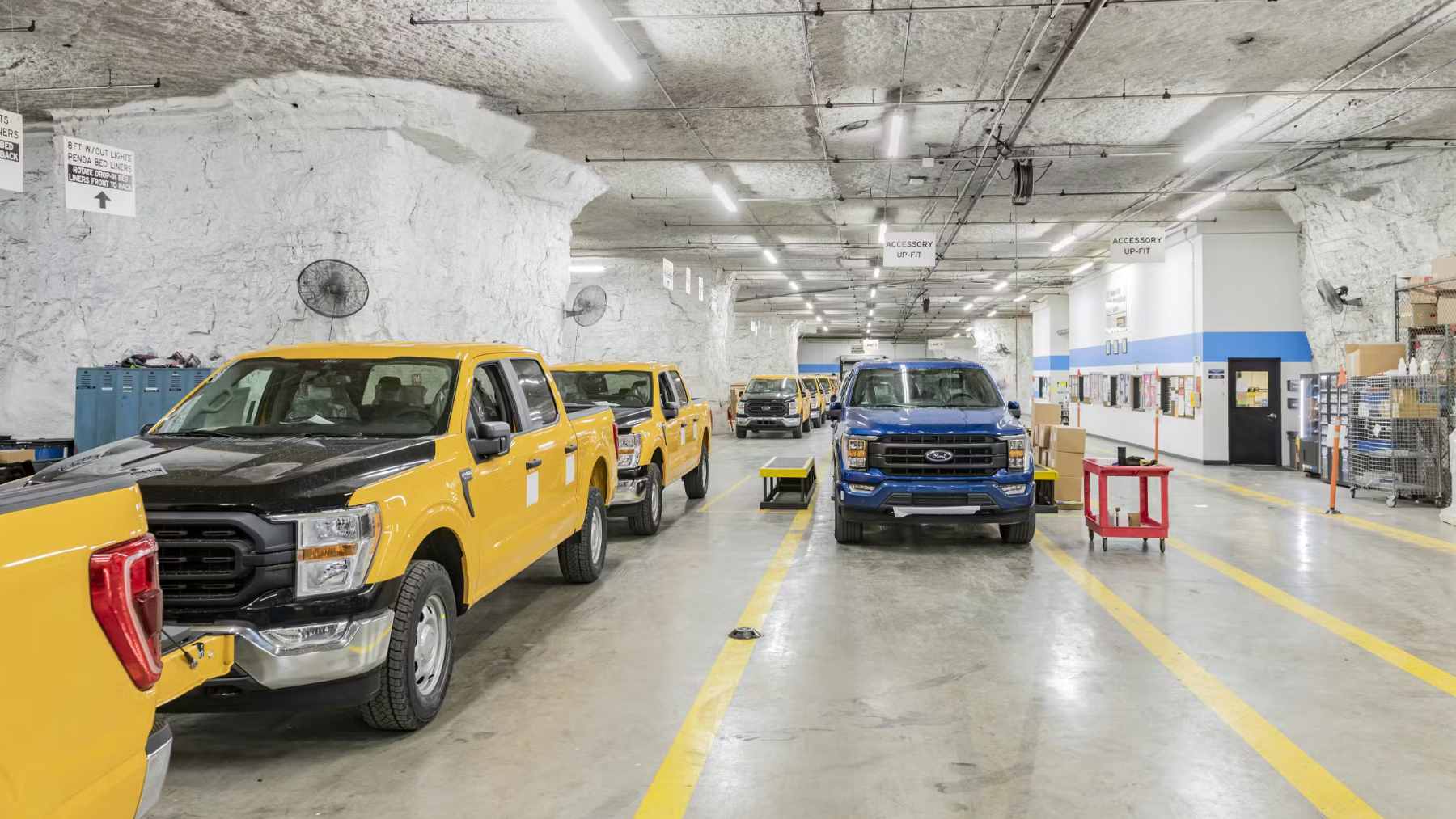
The solution was as surprising as it was practical. The company parked those new Mavericks in a vast limestone mine under Kansas City called SubTropolis.
A city of cars beneath the rock
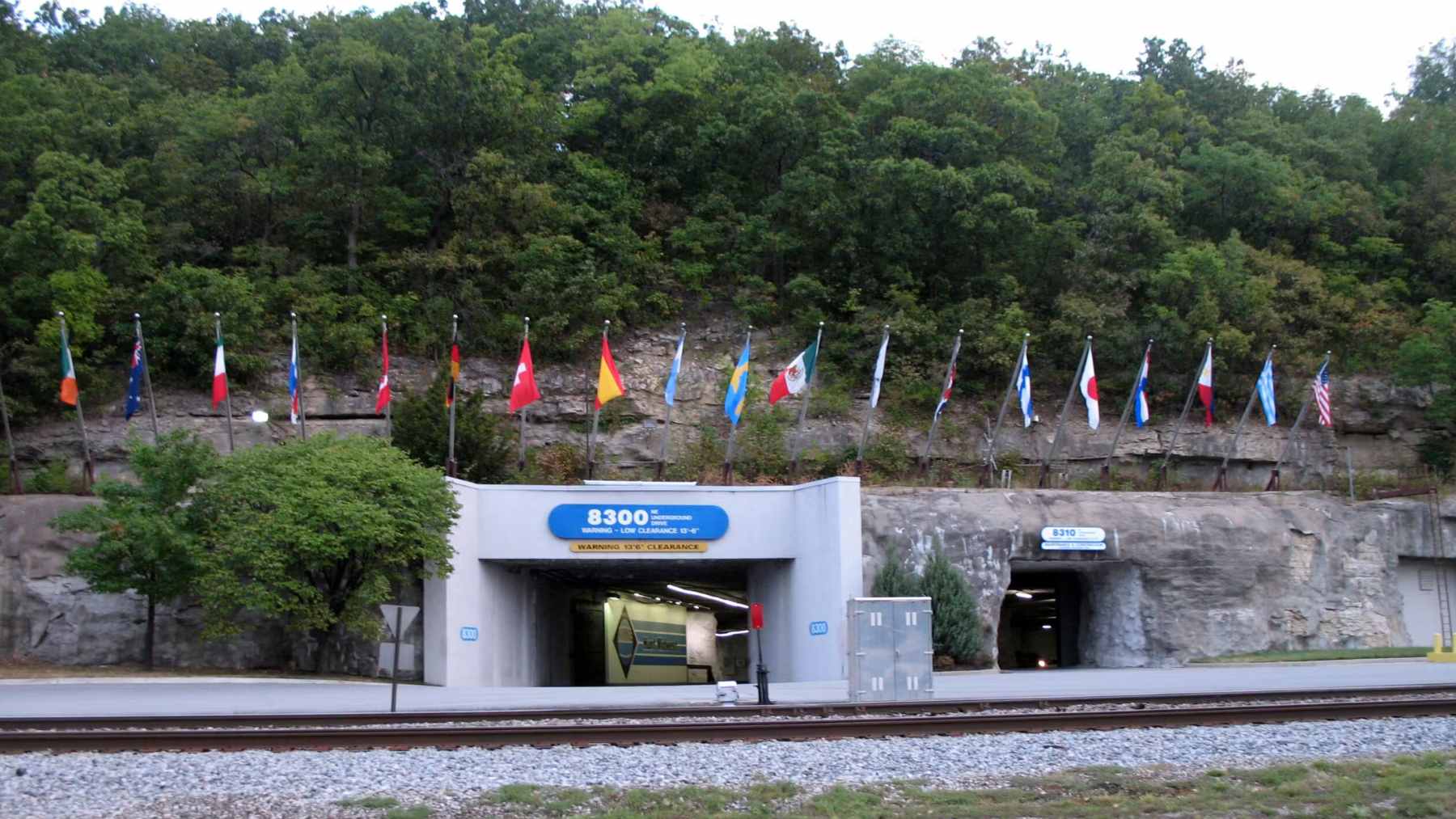
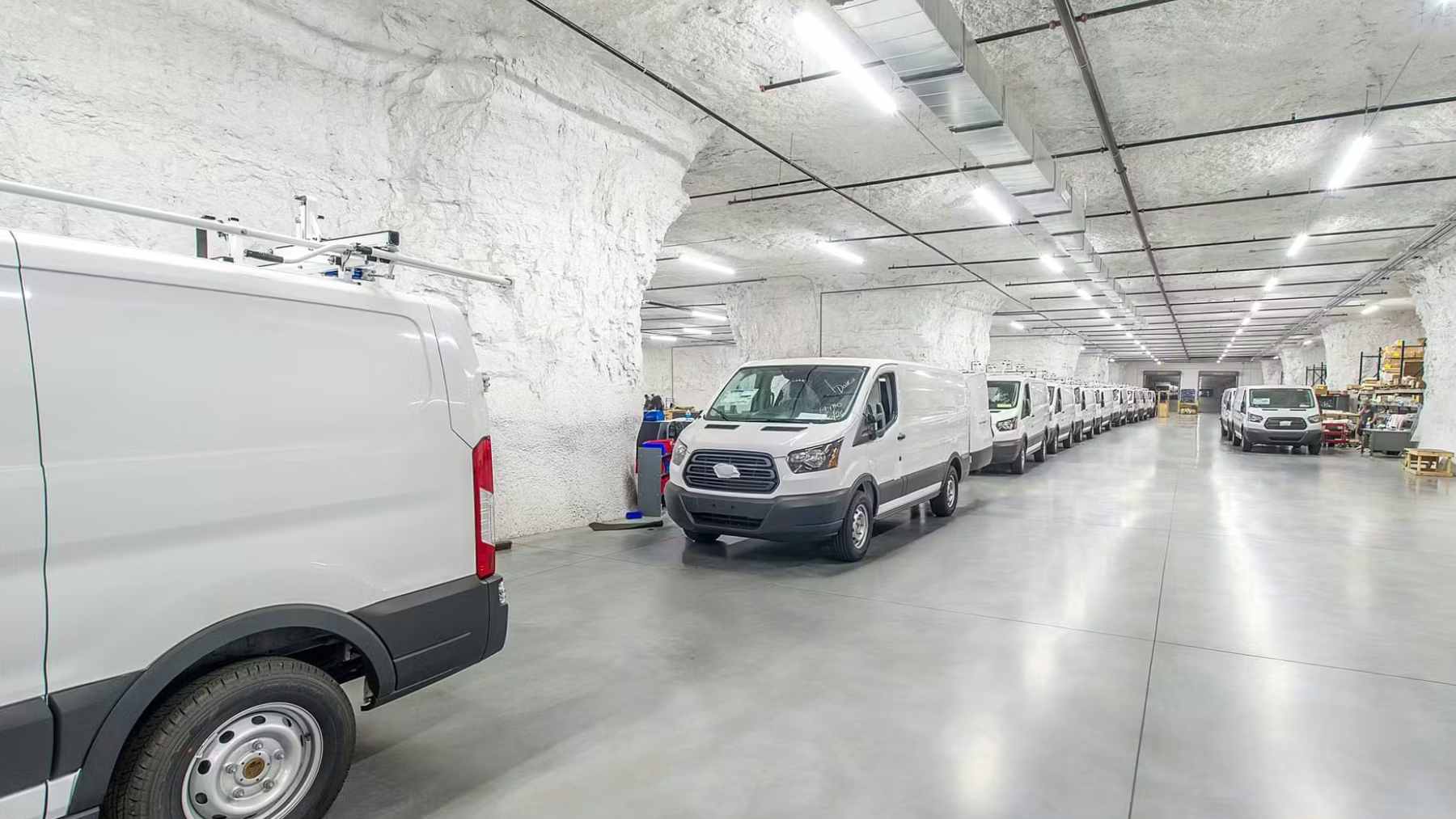
SubTropolis is a former limestone mine north of the Missouri River that has been carved into roughly 55 million square feet of tunnels and storage space, marketed as the world’s largest underground business complex. Temperatures inside sit in the mid-sixties Fahrenheit year round, without much help from heating or air conditioning.
Ford leased about 25 acres of this underground grid, then lined it with neat rows of brand new Mavericks. The cave protected paint and interiors from hail, sun and moisture, and it freed up dealer lots without forcing the company to scrap cars that were still technically “new.” According to later accounts, the vehicles stayed underground until they could be sold, reportedly for several years.
It was an inventory trick. It was also an early example of repurposing an exhausted mine for low-energy storage, long before anyone talked about climate-controlled logistics hubs.
Hidden carbon in unsold vehicles
From an ecological point of view, that quiet cave represents something else. It shows how much carbon we pour into products that might sit idle for a long time. One life-cycle analysis cited by climate advocates estimates that building a conventional gasoline car emits roughly 5.6 metric tons of carbon dioxide before the vehicle ever leaves the factory.
Over an average lifetime on the road, a gasoline car can be responsible for around 30 metric tons of CO2, with most of that coming from burning fuel, not from manufacturing.
So every Maverick that rolled into SubTropolis carried an invisible carbon bill from steelmaking, plastics, glass and assembly. Storing cars underground kept them in good condition, which avoided the waste of scrapping brand new vehicles.
Even so, the story underlines an uncomfortable point. Once a car is built, much of its climate impact is already locked in, whether it spends its first years in traffic or in the dark.
Lessons for today’s car and climate choices
There is a practical upside here. Facilities like SubTropolis use the natural insulation of rock to keep temperatures steady, which can cut the energy needed for storage compared with some above-ground warehouses. Reusing mines for archives, food, vehicles or even data centers can be one piece of a more efficient industrial system.
Yet the bigger environmental lesson sits further upstream.Modern studies find that manufacturing abattery electric car can create more emissions at the factory than a comparable gasoline model, roughly 8.8 metric tons of CO2 versus 5.6 in one analysis, althoughelectric cars then avoid most tailpipe emissions over time.
That means overshooting demand in the electric era would also lock in a lot of unnecessary carbon, even if the vehicles are cleaner once they hit the road.
For the most part, what the Maverick cave episode shows is simple. The greenest vehicle is not just the one with the lowest emissions per mile. It is also the one that did not have to be built in the first place because production was better matched to real, sustainable demand.
Half a century later, those rows of Fords under Missouri limestone read like a snapshot of an industry learning that lesson the hard way.
The article was published on Yahoo Autos.