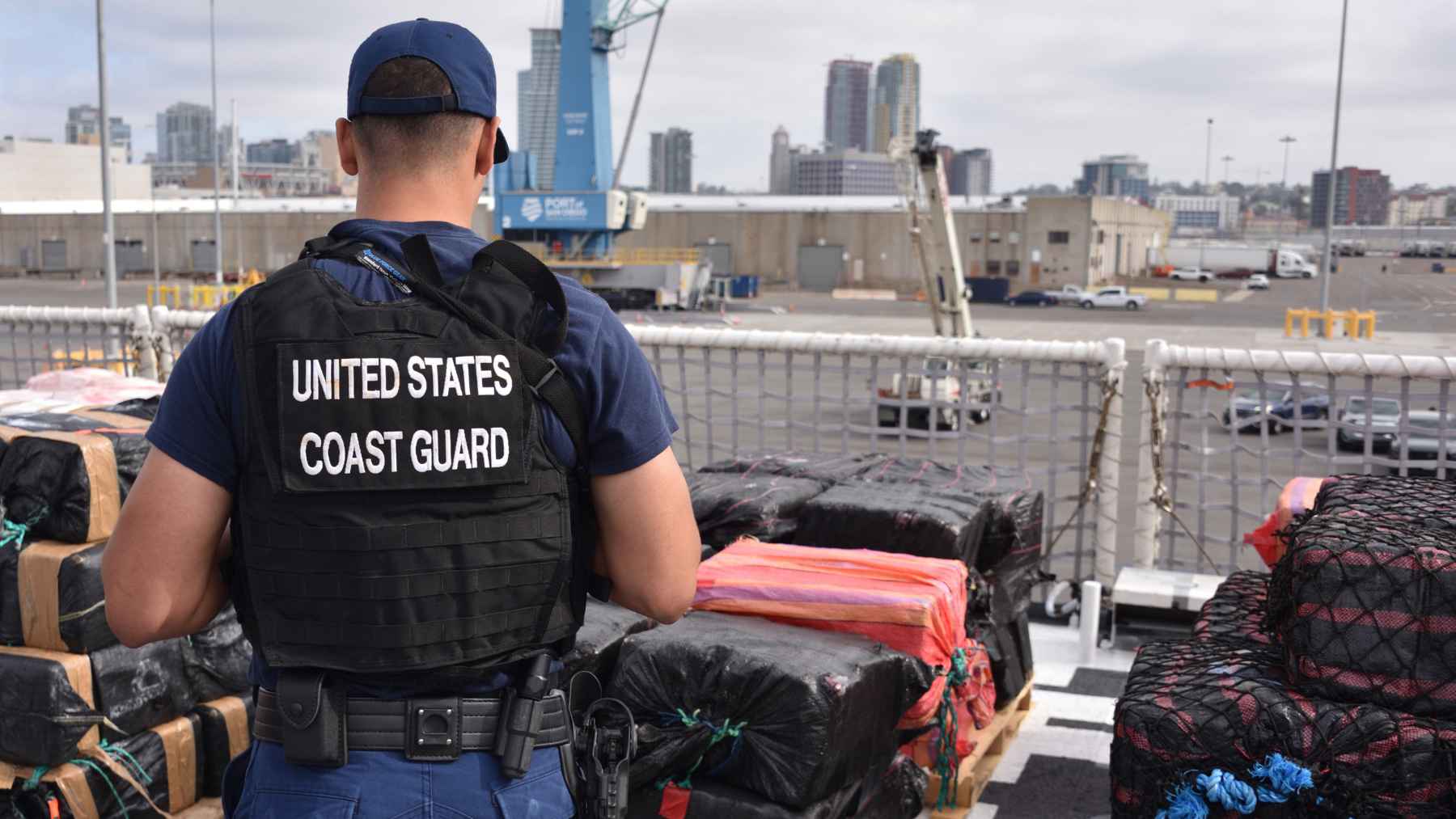
In 2025, U.S. Coast Guard crews pulled more than 511,000 pounds of illegal narcotics from the water, a record haul worth about $3.8 billion. Officials say it kept an estimated 193 million potentially lethal doses out of U.S. communities and saved billions in health and social costs. It looks like a clean victory against cartels, yet the story behind those bales reaches deep into some of the world’s most fragile ecosystems.
Most of us only see the last act on television, with fast boats stopped in open water and bundles of cocaine stacked on deck. We rarely see the first act, where forests are cleared, rivers polluted, and rural communities pushed aside to make those shipments possible.
A record year at sea
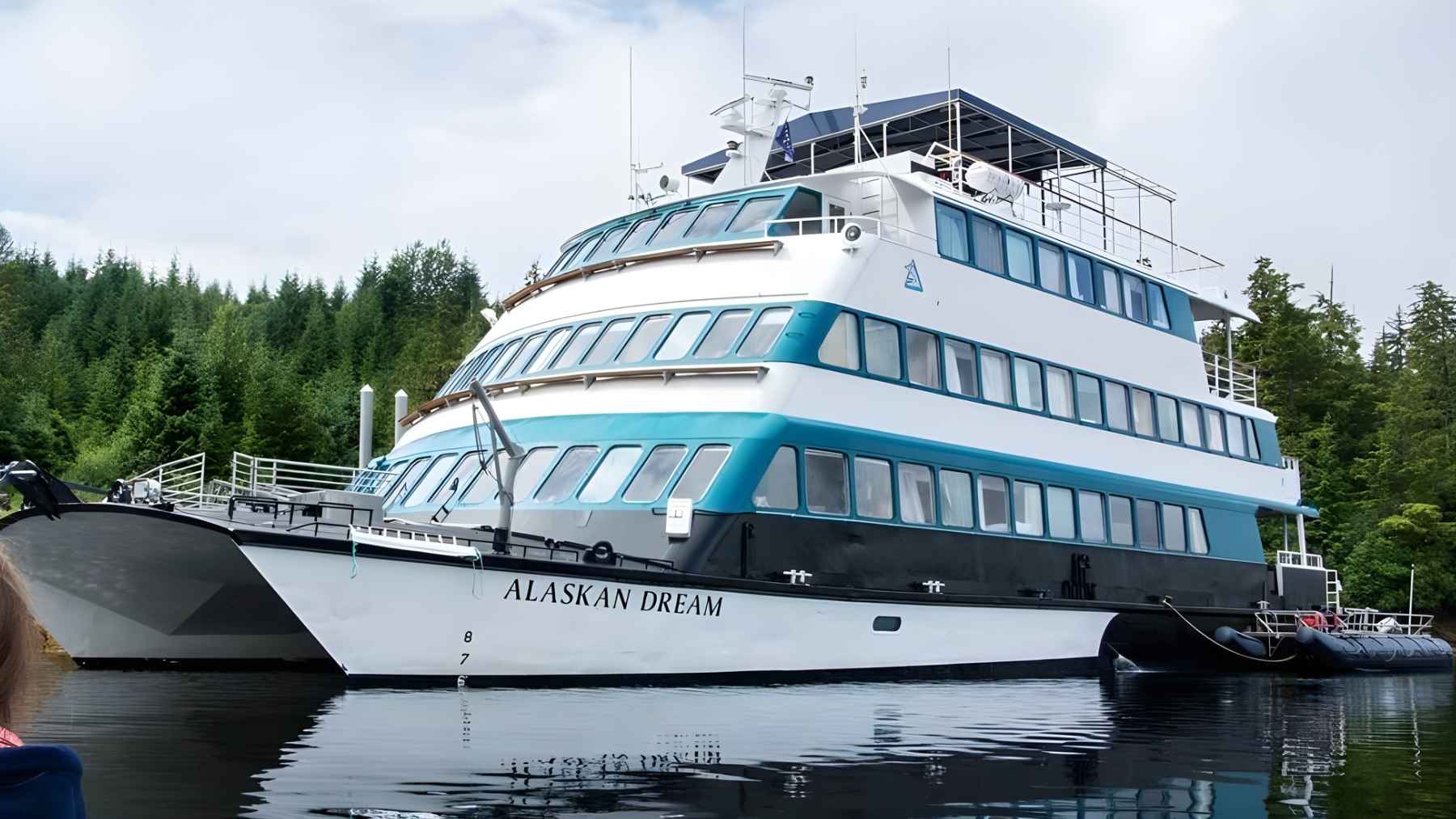
According to an official Coast Guard statement, maritime forces in 2025 roughly tripled their typical yearly cocaine seizures, intercepting more than half a million pounds of narcotics in the Eastern Pacific and Caribbean. The surge effort known as Operation Pacific Viper alone contributed over 100,000 pounds, highlighting how aggressively the service is trying to choke off maritime routes.
Fewer drugs reaching ports and coastal cities can mean less violence in some neighborhoods and fewer overdoses in emergency rooms. For taxpayers, the Coast Guard calculates billions in avoided health care and crime related costs, turning long patrols at sea into a kind of prevention program.
From seized bales to scarred landscapes
The path that cocaine takes before it reaches the ocean is anything but clean. United Nations data and independent researchers estimate that around 20 million people worldwide use cocaine in a given year, demand largely met by production in parts of South America. Meeting it requires extensive fields of coca shrubs and a chain of remote processing labs.
That agricultural and chemical footprint is heavy. Studies in Central America have found that narcotrafficking is not just associated with forest loss but can be a direct cause, as traffickers buy land, clear trees, and convert rainforest into cattle ranches or commercial farms to move and launder profits.
In parts of Honduras, Guatemala, and Nicaragua, researchers estimate that cocaine related activity may account for up to a third of recent forest loss, much of it inside protected areas meant to safeguard biodiversity and store carbon.
European drug monitoring agencies and United Nations experts describe how labs use solvents such as kerosene, acetone, and strong acids to strip the cocaine alkaloid from coca leaves, often dumping waste directly into soil, streams, and rivers. Field reports from the Amazon mention contaminated waterways, eroded hillsides, and heavy use of herbicides and pesticides around coca plots that put wildlife and downstream communities at risk.
When enforcement shifts the map
So where do record seizures at sea fit into this picture? To a large extent, they cut into the profits that fuel this environmental damage, because every load intercepted deprives criminal groups of money they might otherwise launder into land, cattle, machinery, or illegal roads.
Researchers also warn that certain kinds of crackdowns can unintentionally shift trafficking routes into even more remote and fragile ecosystems.
Earlier waves of heavy enforcement in the Caribbean and Mexico helped redirect smuggling corridors into sparsely governed forest frontiers in Central America, where traffickers carved clandestine ranches and airstrips out of intact rainforest. At the end of the day, success in one corridor can quietly move the problem into some of the last wild spaces on the map.
Toward a greener drug policy
All of this suggests that interdiction at sea, while essential, is only one piece of a truly sustainable response. United Nations backed programs that support alternative development, land rights, and legal rural livelihoods show that when communities have stable incomes and secure tenure, they are less likely to depend on illicit crops and more able to protect surrounding forests.
Every gram of cocaine carries an invisible trail of felled trees, poisoned waterways, and lost habitat. The Coast Guard’s record year is both a success story and a warning, showing how much environmental harm is wrapped into the global drug trade and how much deeper the world needs to go if it wants to protect people, forests, and oceans at the same time.
The official statement was published on U.S. Coast Guard News.