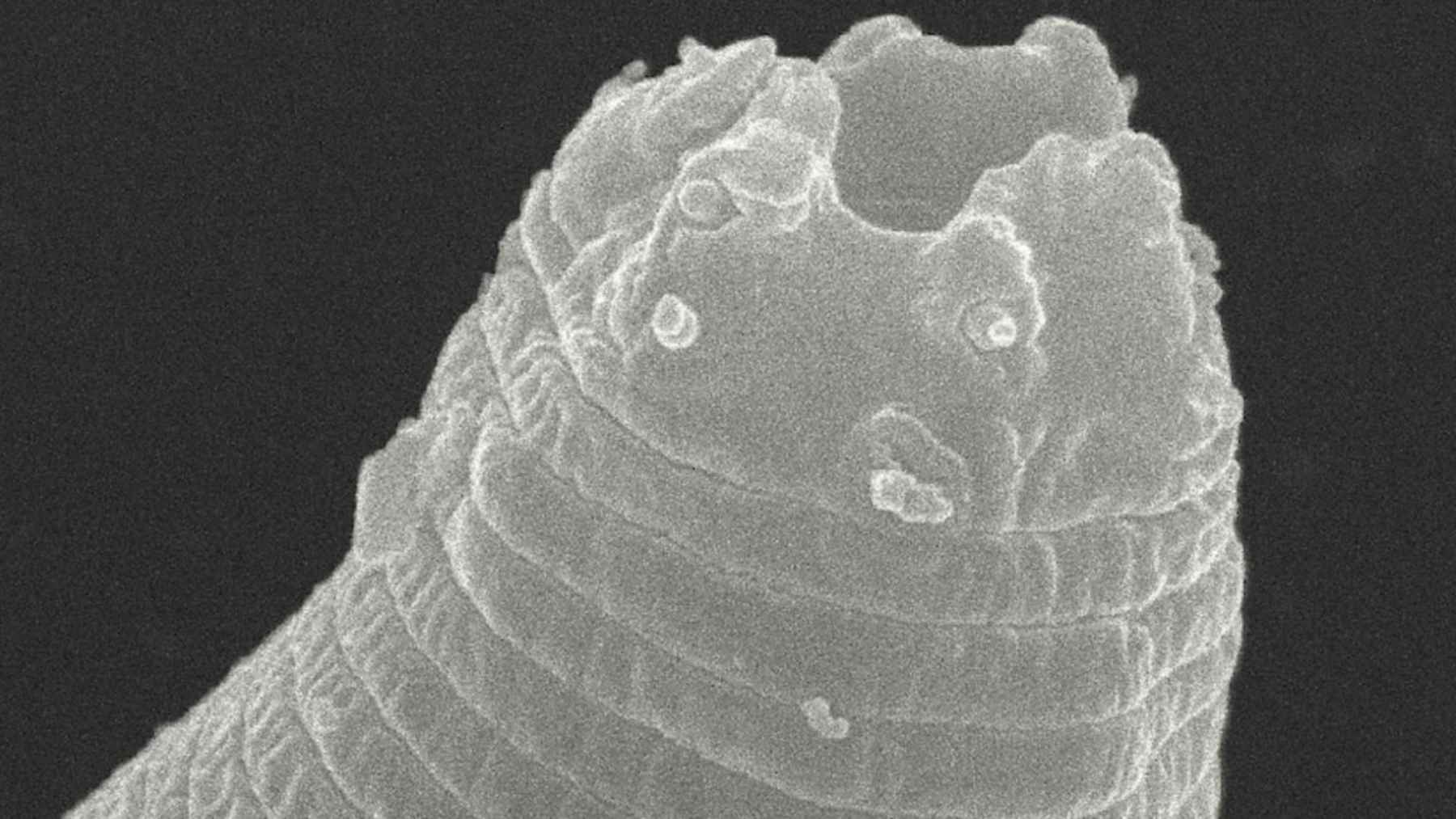
A tiny roundworm that lay frozen in the ground of Siberia for roughly 46,000 years has been brought back to life in a modern lab.
The experiment shows that some animals can put life on pause for longer than all of recorded human history, and it also highlights how much we still do not know about what is locked inside thawing permafrost.
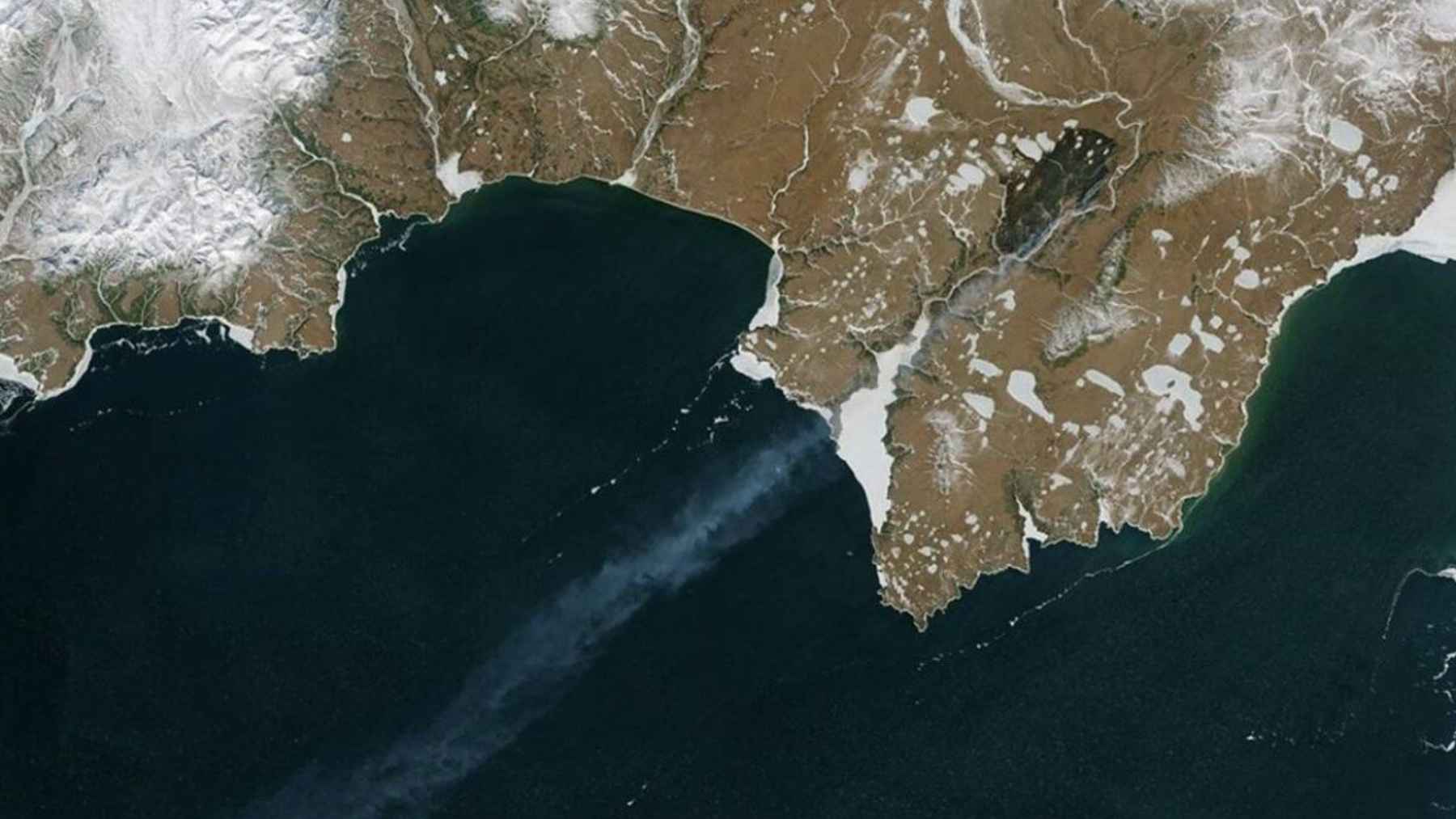
The nematode, now named Panagrolaimus kolymaensis, was found in a fossil rodent burrow buried around 40 meters below the surface near the Kolyma River. Radiocarbon dating of plant material from the same layer suggests the soil had stayed frozen since the late Pleistocene, about 46,000 years ago.
After careful thawing, the worms moved, fed, and even produced offspring under laboratory conditions, which means the original animal survived in a dormant state for tens of thousands of years.
Permafrost works like a natural deep freezer. It is ground that stays at or below freezing for at least two years in a row, often much longer, and it can preserve everything from animal bones to microbes and seeds.
As the Arctic warms faster than the global average, that freezer is starting to open. Scientists warn that thawing permafrost can release huge amounts of stored carbon in the form of carbon dioxide and methane, and in some cases long-dormant microbes and viruses may also wake up.
A survival trick called cryptobiosis
So how did a soft-bodied worm survive conditions that would destroy almost any piece of food in your kitchen freezer within months? The answer lies in a strategy known as cryptobiosis, where an organism almost entirely shuts down its metabolism when conditions become too dry, too cold, or otherwise hostile.
Tardigrades, rotifers, and several nematode species are already famous for this ability, which lets them ride out extreme hardship until water and warmth return.
Before this work, the longest confirmed cryptobiotic records for nematodes were measured in decades rather than millennia. One Antarctic species had survived in frozen moss for about twenty five years, and another nematode endured nearly forty years in a dried plant sample.
The new worm appears to extend that time scale by a factor of more than a thousand, although some experts note that the age estimate depends on the dating of surrounding plant remains.
The research team did more than simply wake an ancient animal. They sequenced its genome and compared it with that of Caenorhabditis elegans, a well-known lab nematode that can also enter a dormant stage called the dauer larva. Both species share a molecular toolkit that includes genes involved in producing a sugar named trehalose and in reshaping energy metabolism.
In the lab, mild drying before freezing helped both worms survive extreme cold, and C. elegans larvae endured 480 days at minus 80 degrees Celsius without losing their ability to reproduce once thawed.
An international team from the Institute of Physicochemical and Biological Problems in Soil Science in Russia, Max Planck Institute of Molecular Cell Biology and Genetics, and the University of Cologne combined detailed microscopy with these genomic tools to show that the permafrost animals really belong to a previously undescribed species. They also found that the worms are triploid and reproduce without males, which may make it easier for a single survivor to restart a population after a long sleep.
Not everyone is fully convinced about the timeline. Some outside researchers point out that radiocarbon dating measures the age of the plant fragments, not the worms themselves, and they worry about the possibility of modern contamination during drilling or handling.
At the same time, even skeptical scientists acknowledge that cryptobiosis could in principle last for such spans and that the sterility controls in the study appear careful, so the debate now centers on how strong the evidence must be before calling this a definitive record.
What a waking worm means for a warming world
For most people, this discovery will never show up in an electric bill or a morning commute. Yet it hints at what might happen as more permafrost thaws under a changing climate.
Studies already show that ancient microbes can revive and begin producing carbon dioxide and methane within months when long-frozen soil warms, which could speed up warming even further. Other research tracks the recovery of old viruses from ice and soil, although there is still debate about how likely it is that such agents could threaten humans or wildlife today.
The same biology that worries some disease experts could also be useful. Understanding how P. kolymaensis protects its cells during extreme drying and freezing may help improve the way we store seeds, freeze food, or cool organs for transplant so they suffer less damage.
The trehalose-based protection that works for these worms and for C. elegans could inspire new cryoprotective mixtures that keep tissues stable without toxic levels of antifreeze chemicals.
At the end of the day, one sleeping worm from the Ice Age will not decide the future of the Arctic. What it does is remind us that frozen ground is not just dead dirt, but a living archive filled with tough survivors and fragile ecosystems that are now facing rapid change.
As we continue to warm the planet, we are also unlocking that archive, sometimes on purpose in the lab and sometimes by accident in the field.
The study was published in PLOS Genetics.