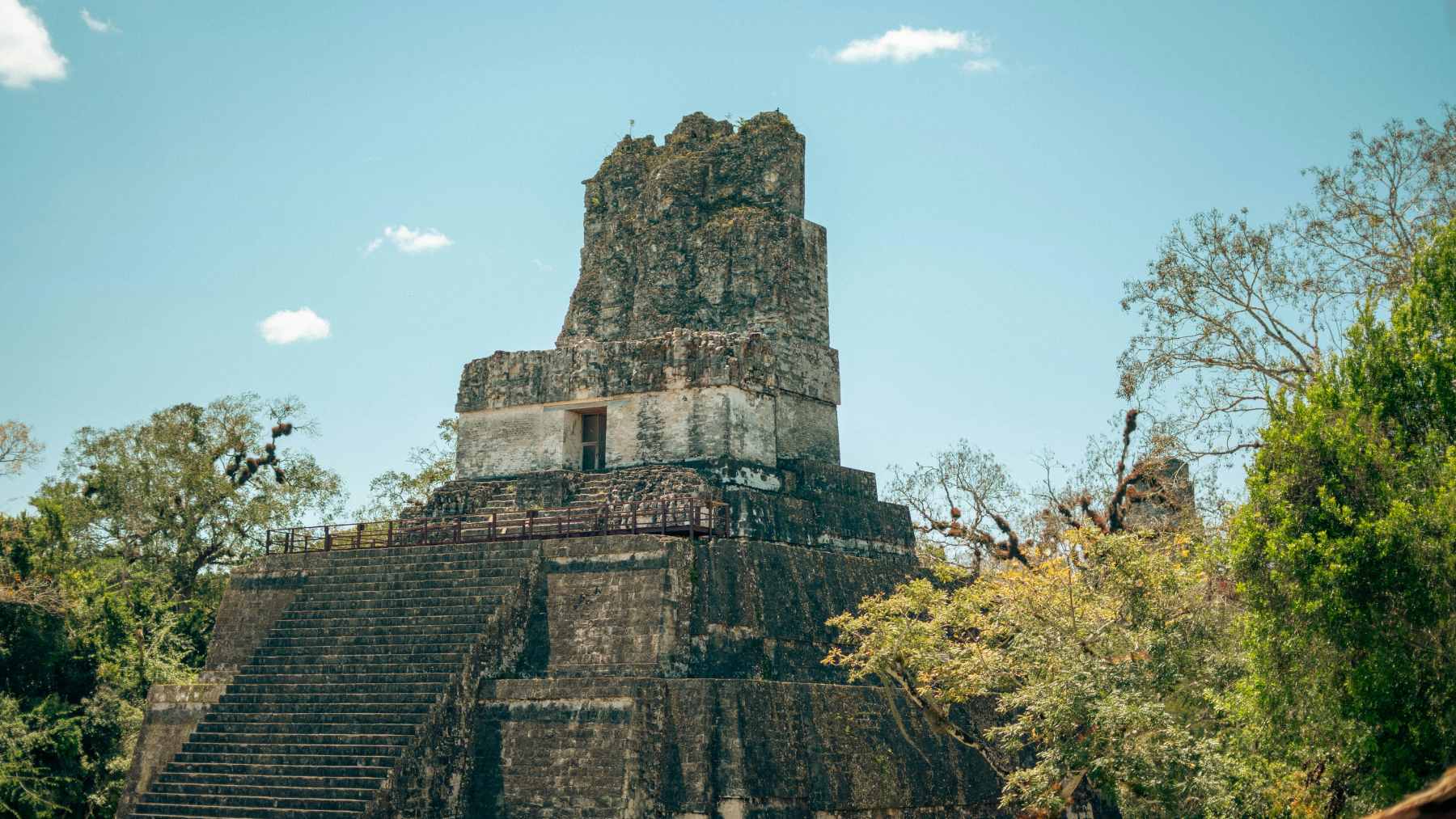
For decades, the story has sounded straightforward. The ancient Maya built powerful cities for more than 3,000 years, then many major centers went into decline around 900 CE.
Drought has often been treated as the big trigger. But a new lake record from northern Guatemala suggests at least one region kept getting dependable rain even as its population dropped, hinting that climate alone cannot explain the collapse.
A rainforest region that still emptied out
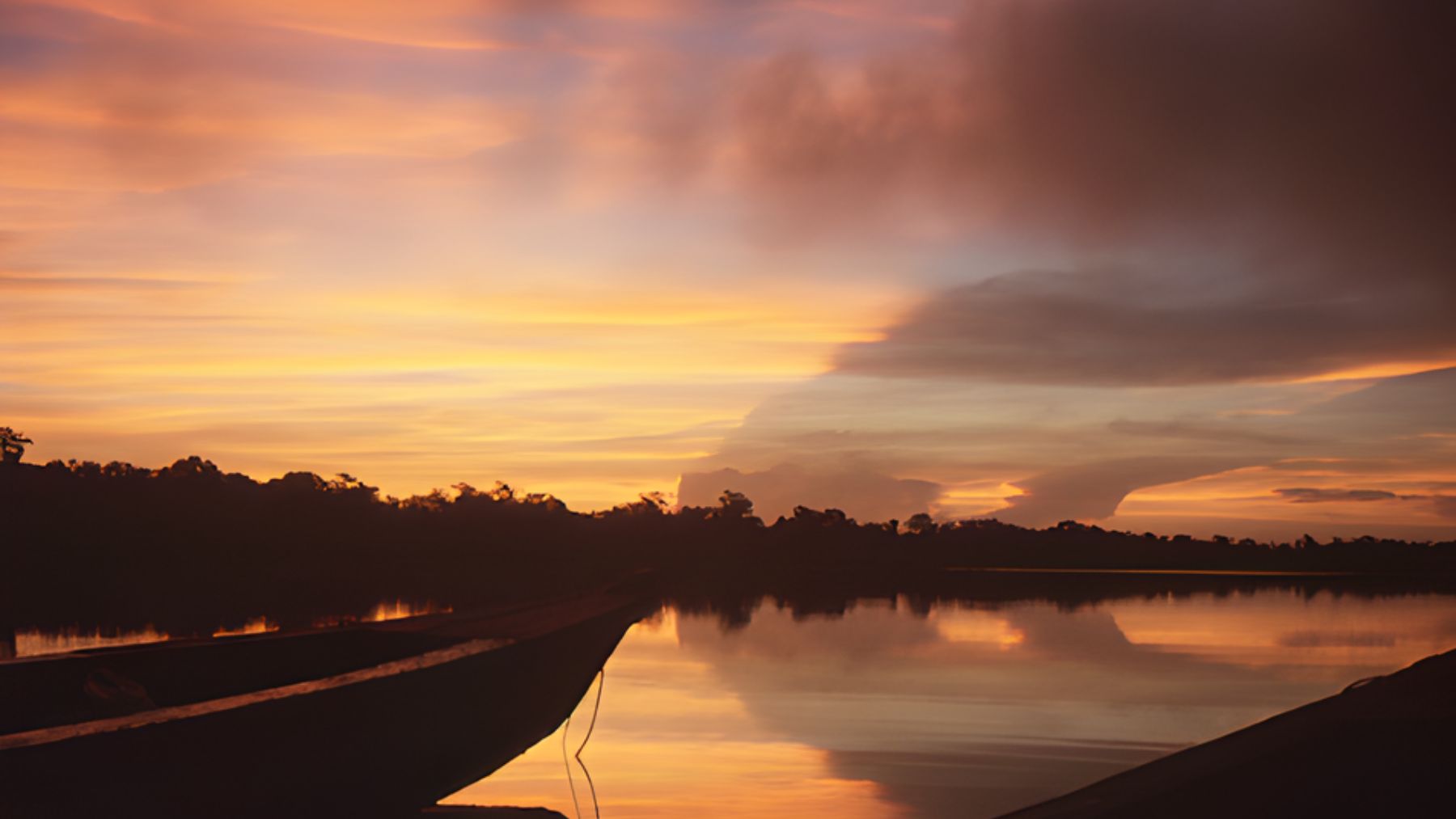
The clues come from Laguna Itzan, a lake near the ancient site of Itzan in today’s Guatemala. Researchers say the local record does not show the kind of drying that many other Maya areas experienced during roughly 750 to 900 CE.
So why would a place with steady rainfall lose people anyway? The picture that emerges is less like one local catastrophe and more like a chain reaction spreading across a connected world.
How scientists read history in lake mud
Lake bottoms store layer after layer of sediment, like a slow-motion time capsule. In this case, scientists used cores drilled from the lakebed to track past climate and human activity across thousands of years.
They focused on three chemical signals, including traces linked to burning from land clearing, plant wax clues tied to vegetation and rainfall, and molecules associated with human waste that can hint at how many people lived nearby. Taken together, the evidence points to major shifts in land use and population over about 3,300 years, without clear signs of a local drought during the classic-era decline.
A key detail called “orographic rain”
One key explanation is geography. In a press release, Université de Montréal geography professor Benjamin Gwinneth said Itzan sits near the Cordillera, where moist air from the Caribbean gets pushed upward by mountains and falls as regular “orographic” rain, meaning rainfall created when air rises over high ground.
That does not mean life there was easy or predictable. It just means water may not have been the obvious breaking point, even while the area’s population markers dropped sharply.
Collapse as a network problem, not a local drought
Maya cities did not function like isolated islands in the jungle. They were tied together through trade routes, political alliances, and shared supplies, so trouble in one region could quickly become trouble elsewhere.
When core areas in the central lowlands struggled, researchers argue it could have sparked conflicts over resources, upheaval in leadership, migration, and breakdowns in trade. In everyday terms, even a well-watered place can take a hit if the wider system it depends on starts failing, a bit like when a supply crunch makes basic items disappear far from where the problem began.
How this fits with earlier drought research
None of this erases the drought evidence elsewhere. A 2015 study in the Proceedings of the National Academy of Sciences linked severe dry spells to rising stress and documented how some Maya communities adapted their farming as pressures mounted.
Other work has tried to put numbers on how extreme those dry periods may have been. A 2018 University of Cambridge report on a Science study estimated annual rainfall fell by roughly 41% to 54% compared with today during the collapse era, with even steeper drops in the worst stretches.
The takeaway is messy, and that may be the point. Drought likely mattered a lot, but in some places the decisive blow may have been political and economic breakdowns that spread across the Maya world.
The main study has been published in Biogeosciences and the official press release was published on the Université de Montréal news site.