Cheap drones, asymmetric threats, and fragile infrastructure have turned perimeter security into a daily concern for governments and companies. A young Spanish firm called Sentitech now presents Domus Sentinela, an artificial intelligence platform designed to protect critical facilities from fast-moving threats.
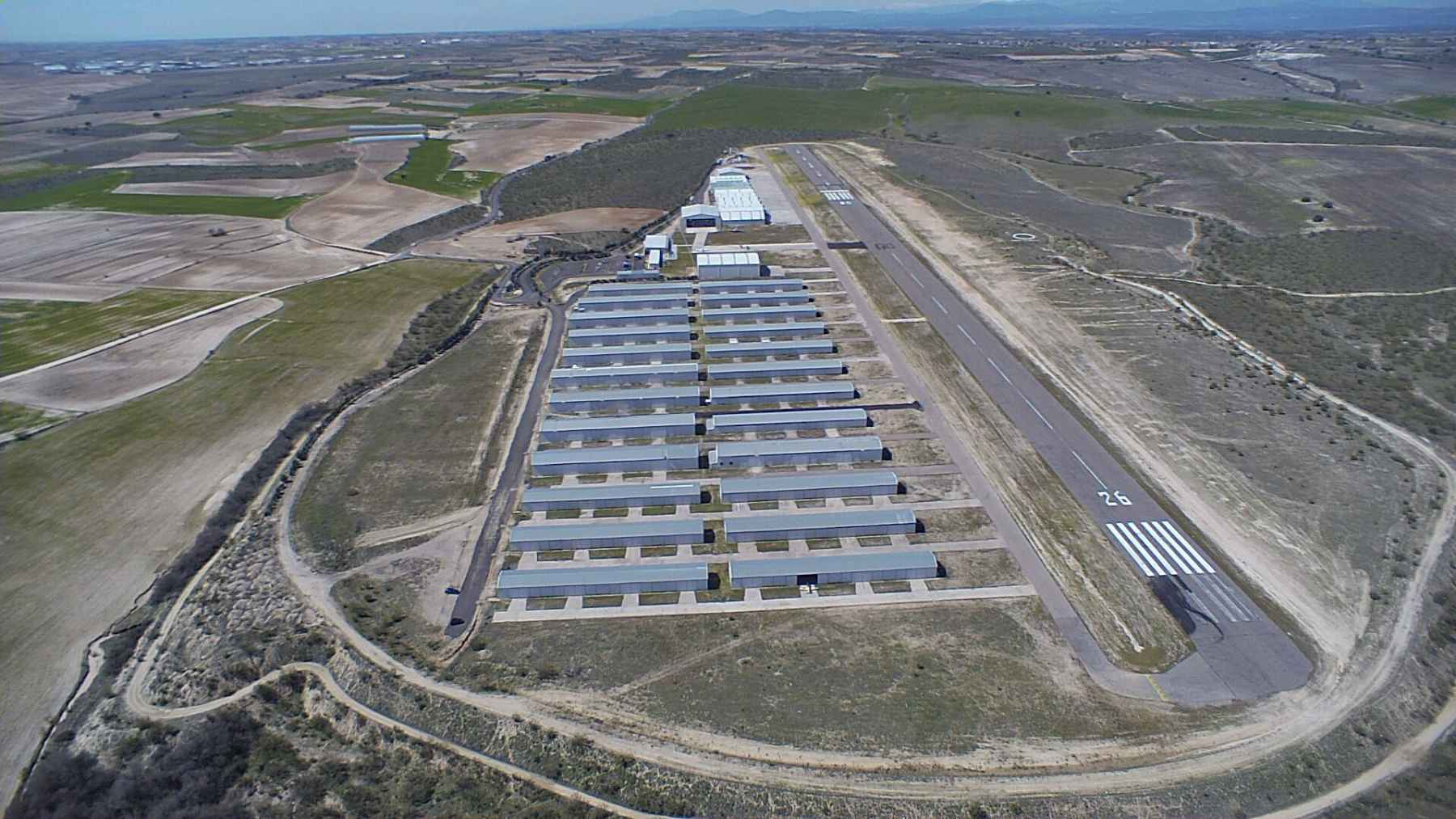
Sentitech, which began operations in April 2025, has already taken Domus Sentinela out of the lab and into a working airfield. The company reached technology readiness level 6 after validating the system at Casarrubios Aerodrome in Toledo within Project Caelus, showing that the platform can operate in a realistic environment and not only in simulations.
The problem with isolated sensors
Many bases, borders, and industrial plants are full of sensors yet still partly blind. Radar units, CCTV cameras, radio frequency detectors, and LiDAR systems often work in separate silos, so human operators must jump between screens and piece together fragmented alerts.
Anyone who has stared at a wall of monitors during a long night shift knows how easy it is to miss a small dot that matters. When a suspicious drone or intruder appears for only a few seconds, who can guarantee that a tired operator will not look away at the wrong moment?
Domus Sentinela tackles this issue at its root by acting as a smart command and control platform instead of just another local alarm. The system is hardware agnostic, which means it can connect to existing sensors, even older analog ones, and merge all their signals into a single operational picture for the operator.
Inside the virtual dome of Domus Sentinela
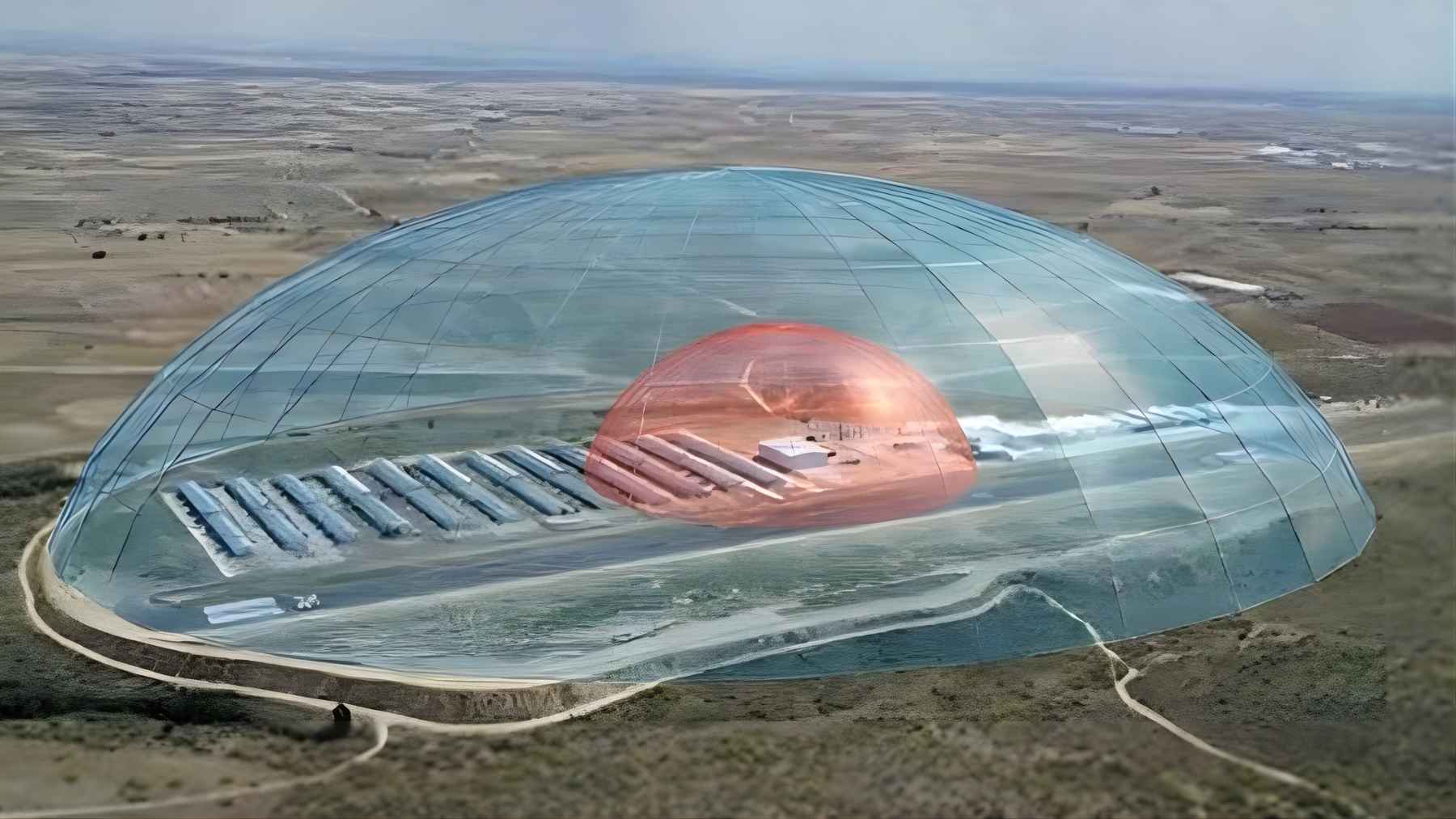
Domus Sentinela builds what Sentitech describes as a virtual dome over the protected area. At the center of this architecture sits a software core called Nucleus, which acts as the cognitive engine that turns raw signals into a live model of what is happening around the site.
In simple terms, Nucleus performs sensor fusion. It ingests data streams from radar, cameras, radio frequency sensors, and LiDAR, normalizes those inputs, and uses a coordinated set of artificial intelligence models, known as the AI core, to detect, classify, and track objects in real time.
Over that intelligent layer works a deterministic judge that applies clear rules and dynamic thresholds to the AI evaluations. This module adds traceability and repeatability to every alert and links each alarm to verifiable conditions in the system, so operators can understand why a drone or a ground intruder has been flagged.
Real world trials and future applications
To reach technology readiness level 6, Sentitech needed more than controlled laboratory trials. The company chose Casarrubios Aerodrome because it is a complex and busy environment, with about 40 hectares and regular air traffic that forces Domus Sentinela to separate everyday flights from genuine threats in real time.
The deployment followed a layered defense strategy described as a double dome. In the outer dome, long range radar and radio frequency sensors watch up to about 3 kilometers from the site, while in the inner dome pan tilt zoom cameras and LiDAR refine the track, build a three-dimensional map, and keep a steady lock on any suspicious object.
Domus Sentinela can also generate digital twins of the protected area for simulations and training, so teams can rehearse drone swarms or sensor failures without putting the real facility at risk.
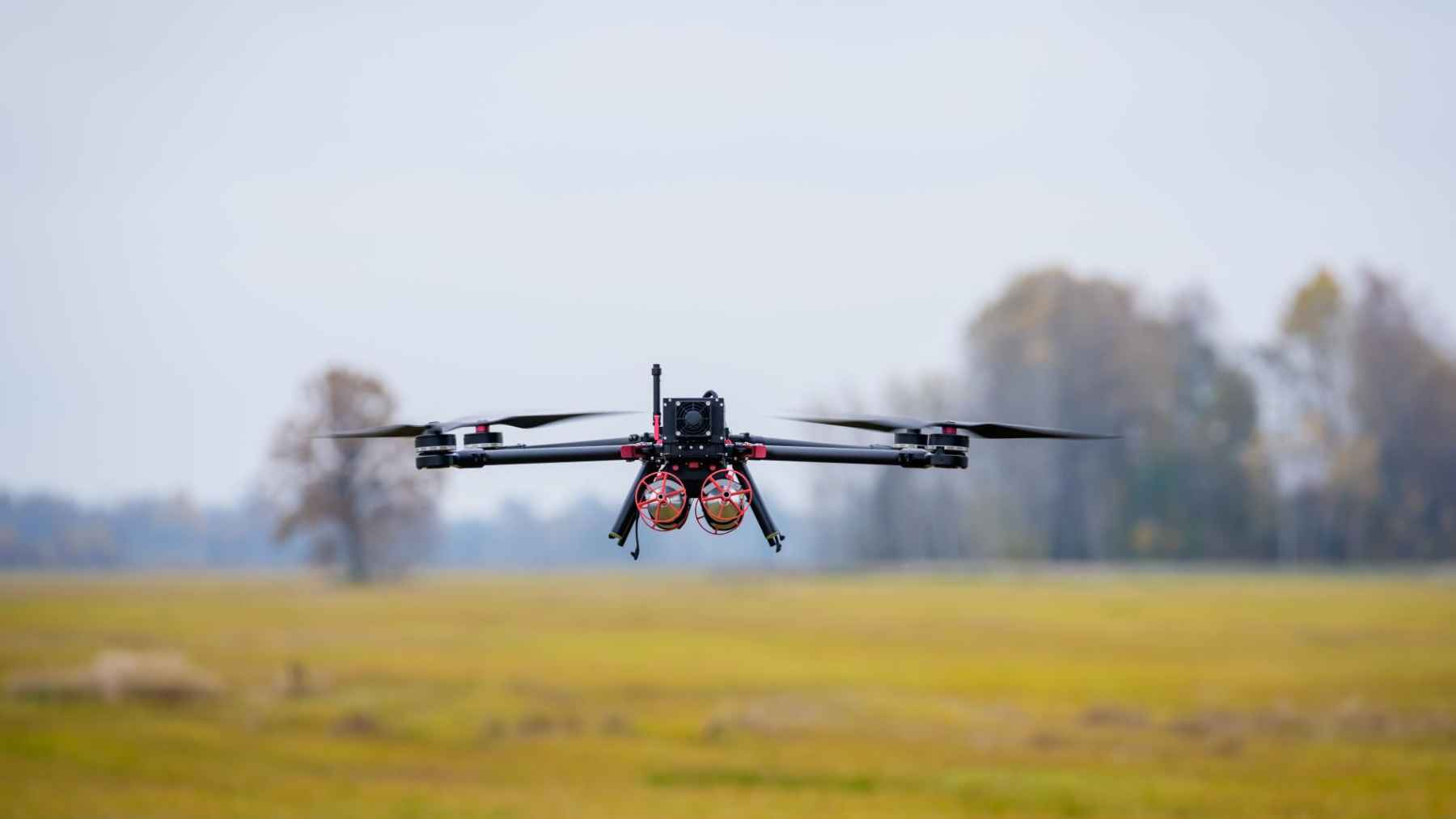
The system is prepared for autonomous responses, including launching an interceptor drone and streaming video to the command center over private networks that are air gapped from the internet and follow NATO communication protocol standards.
Reporting by José Mª Navarro García presents this roadmap toward defense and space uses as a new step for Spanish industry in sensor fusion and artificial intelligence.
The main official press release has been published by Sentitech.