When you wipe dust off a shelf, it rarely feels like a clue to the beginning of life. Yet a new experiment suggests that tiny grains of cosmic dust, born around dying stars, may have delivered some of the key ingredients that helped make our planet habitable.
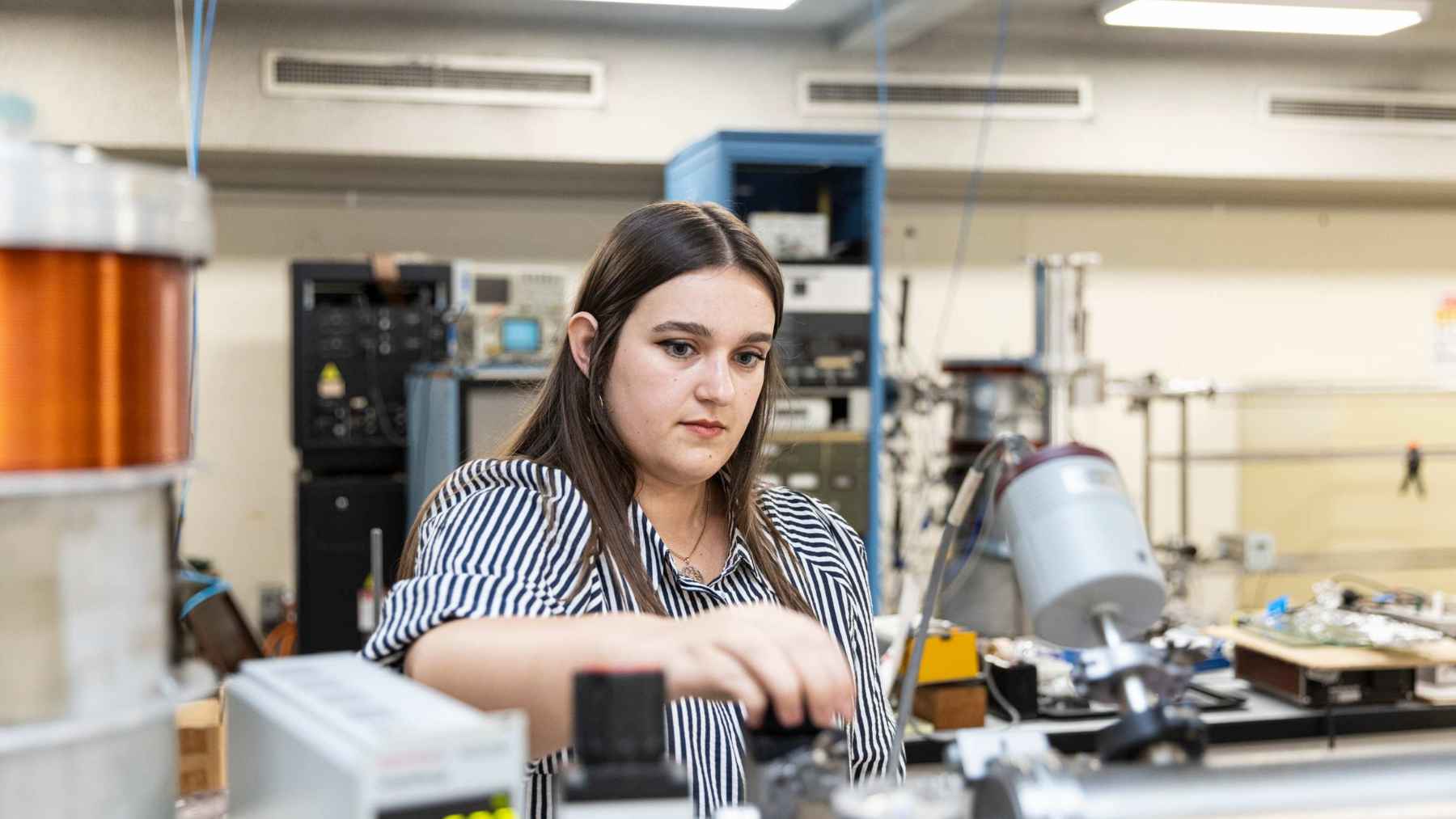
In a lab at the University of Sydney, PhD student Linda R. Losurdo has recreated carbon-rich “cosmic dust” using a simple gas mix and a powerful burst of electricity. The lab-made dust looks and behaves like the material drifting between stars and inside comets, and it gives researchers a new way to trace how the building blocks of life traveled through space to early Earth.
Cosmic dust as a chemical time capsule
osmic dust is not the same stuff you sweep from under your bed. These grains are microscopic fragments that form in extreme regions around giant aging stars and exploding supernovas, then wander through space for millions of years before ending up in comets, asteroids, and meteorites.
The new research describes this dust as an amorphous network of atoms made mostly of carbon, hydrogen, oxygen, and nitrogen, often shortened to CHON. Because its structure changes when it is heated or slammed by energetic particles, each grain acts like a tiny time capsule that records the physical conditions it has experienced.
How a Sydney lab cooked up stardust
So what does it take to grow your own cosmic dust? In this case, Losurdo and her supervisor, physicist David R. McKenzie, pumped almost all the air out of glass tubes, then filled them with nitrogen, carbon dioxide, and acetylene, a simple carbon and hydrogen gas that matches chemistry seen around old stars.
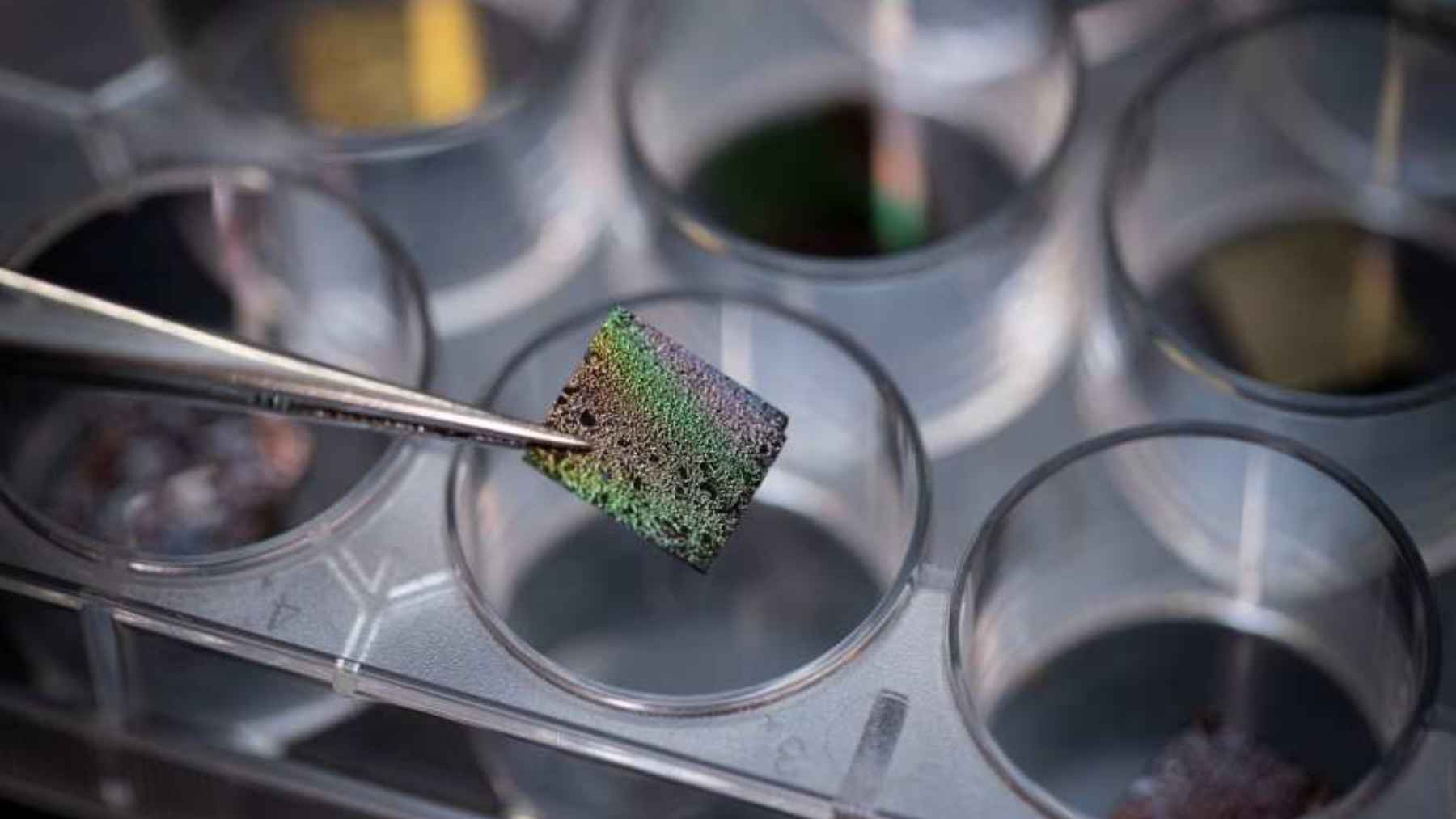
They then applied about ten thousand volts of electrical potential across the gas for roughly an hour, creating a glowing plasma where molecules are ripped apart and forced to recombine in new ways. The newly formed compounds settled as a thin layer of glitter like dust on silicon chips, and their infrared “fingerprints” closely matched those of real cosmic dust seen by space telescopes.
In a press release from the University of Sydney, Losurdo explained that “we no longer have to wait for an asteroid or comet to come to Earth to understand their histories.” Instead, as she put it, “it is like we have recreated a little bit of the universe in a bottle in our lab,” turning a tabletop setup into a stand-in for distant stellar environments.
The two ways to shape dust leave different fingerprints
Out in space, cosmic dust is constantly reshaped by two main processes. One is intense ion bombardment, where fast-charged particles slam into grains and create very brief local heating spikes, a bit like tiny lightning strikes inside the material. The other is slower, gentler warming when dust sits near a star or gets buried and “baked” inside larger bodies.
Losurdo’s team wanted to tell these two histories apart just by looking at infrared spectra, the patterns of light absorbed by different chemical bonds. They built a database of dozens of spectra from their lab-made dust under different conditions, then used principal component analysis, a statistical method that finds dominant patterns in complex data, to separate the signatures of ion impacts from those of simple heating.
The first main pattern tracked how intense the ion bombardment was, while the second pattern followed the annealing, or heating, temperature.
From space dust to life’s ingredients on Earth
Between about three and four and a half billion years ago, the young Earth was constantly bombarded by meteorites, micrometeorites, and interplanetary dust. Many of these visitors carried complex, CHON-rich networks that were already chemically advanced before they ever met an ocean, a shoreline, or a warm volcanic pool.
By showing how different space-like processes leave distinct marks in the infrared spectra of dust, the new work suggests that some incoming materials were preloaded with sturdy ring-shaped carbon structures, while others lost their more fragile groups during long heating.
In practical terms, that means researchers can start to ask whether a grain that ended up in a meteorite hitting early Earth was forged in violent stellar winds or gently cooked over time, and how ready its chemistry was to feed into prebiotic reactions once it landed in water.
The same spectral “map” could be applied to samples from asteroids such as Bennu and Ryugu, as well as to distant dust clouds observed by modern telescopes, to infer which regions of space are rich in life-friendly chemistry.
At the end of the day, understanding these tiny particles may help scientists connect the glow of distant stars with something as ordinary as the organic molecules in a glass of tap water at home.
The main study has been published in The Astrophysical Journal.