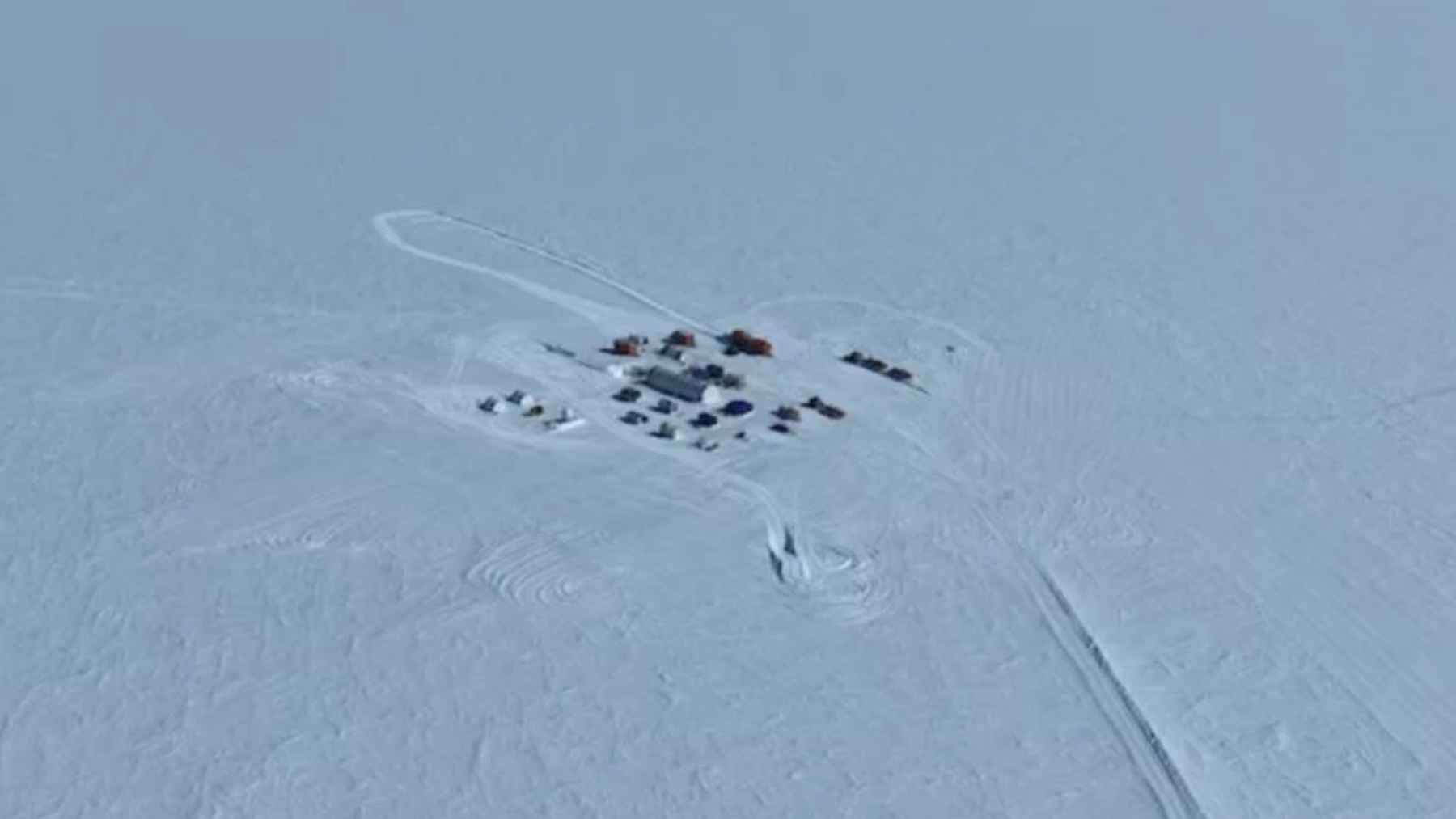
What can a long tube of mud and rock from the middle of Antarctica tell us about the future of sea level? Quite a lot, according to an international team in the SWAIS2C project, led by Earth Sciences New Zealand, Te Herenga Waka Victoria University of Wellington, and Antarctica New Zealand.
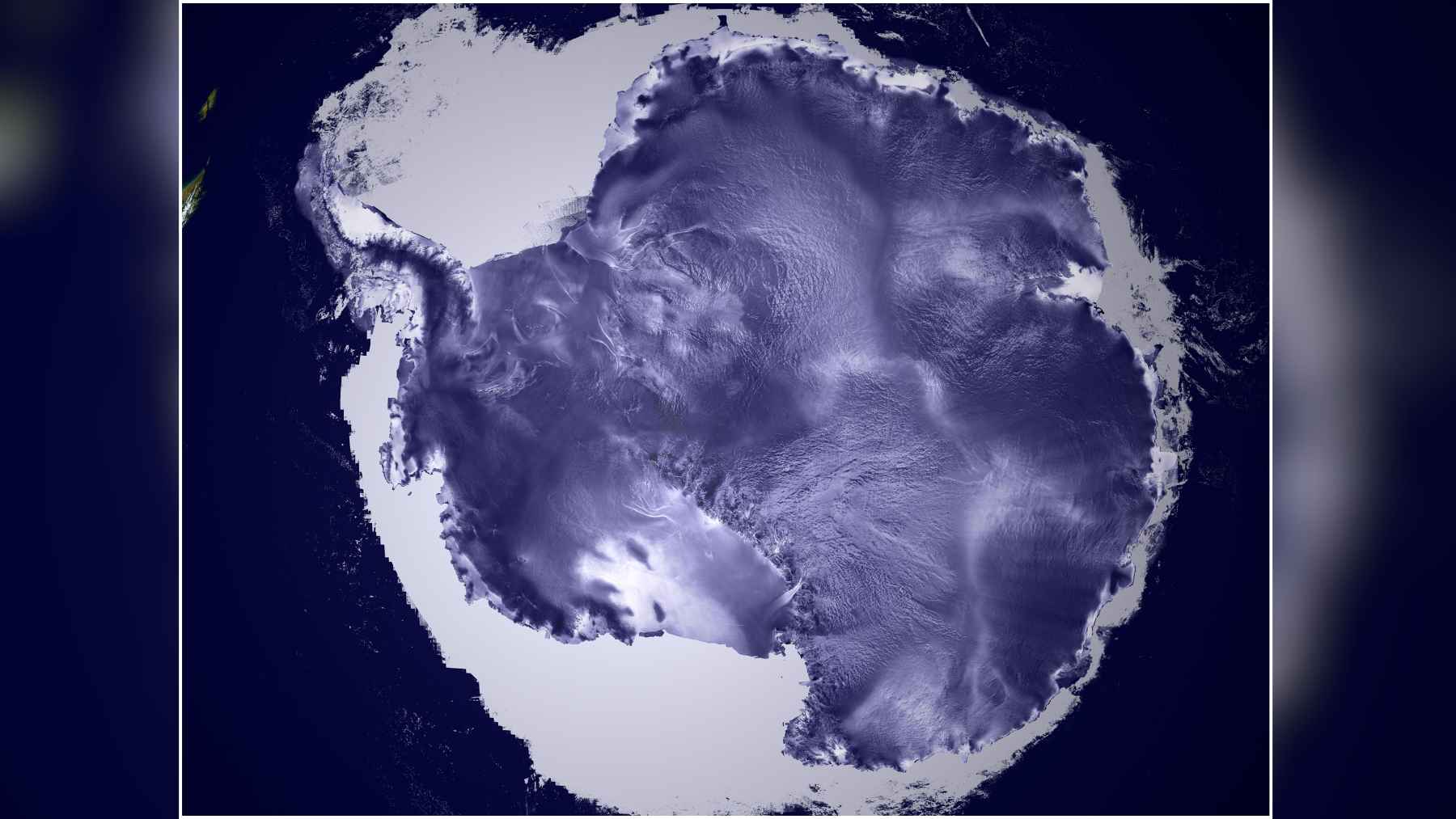
The group recovered a 228-meter core (about 748 feet) from beneath 523 meters of ice at Crary Ice Rise, more than 700 kilometers (roughly 435 miles) from Scott Base.
Preliminary dating suggests the record reaches back about 23 million years. More important, the layers point to periods when this part of West Antarctica was not sealed under thick ice at all, but exposed to open ocean during much warmer climates.
That is what makes this more than a drilling record.
Why this drill matters
Researchers treat a sediment core as a timeline in the ground. Newer material sits near the top and older layers lie deeper down, so each section can preserve clues about ice, ocean water, and life from the time it formed. That is why long cores like this one are so valuable.
The stakes are huge. The West Antarctic Ice Sheet holds enough ice to raise global sea level by about 4 to 5 meters, or 13 to 16 feet, if it were to melt completely, and the nearby Ross Ice Shelf works like a brace that slows glaciers moving toward the ocean.
Satellite observations already show the ice sheet is losing mass faster over recent decades, but scientists still do not know exactly when warming could push parts of this system into rapid retreat.
What scientists found in the layers
To reach the buried sediments, the team first used a hot water drill to melt through the ice, then lowered a custom drilling system to bring up core sections as long as 3 meters at a time.
Huw Horgan said the earliest signs suggest the archive includes periods from the past 23 million years and should offer “critical insights” into how this part of Antarctica behaves in a warmer world.
The material itself told a changing story. Some layers were coarse gravel with larger rocks, the kind of debris expected under grounded ice, while others were finer mud containing shell fragments and tiny marine remains that need light to survive—a strong sign that open water once existed overhead, Molly Patterson said.
Why coastal communities should pay attention
In practical terms, this core could help sharpen computer models that estimate how much and how fast Antarctic ice might shrink in a warmer world. That means better sea level forecasts for coastal cities, ports, and flood planning far from the frozen interior.
The bigger point is that this record fills a gap researchers have talked about for years. A 2022 paper in Scientific Drilling laid out why direct evidence from beneath the West Antarctic interior was so important, because older records from the coast and offshore could only tell part of the story.
Now the hard lab work begins, as scientists from 10 countries work to refine the exact age of each layer.
The official press release has been published by Antarctica New Zealand.