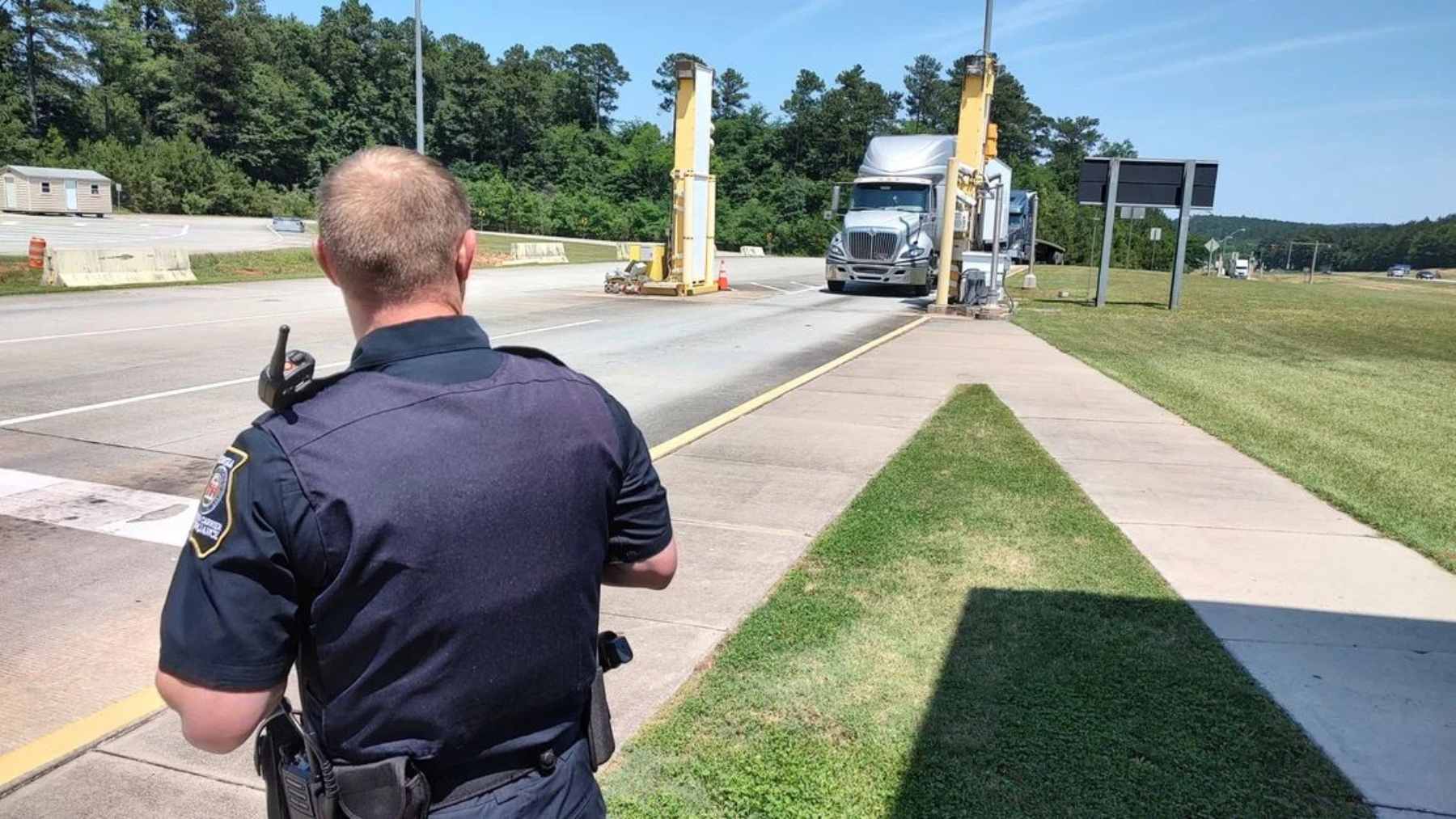
A routine traffic stop on a Tennessee highway has turned into a clear reminder that unsecured cargo is not just a paperwork issue. It is a public safety and environmental problem. A Tennessee Highway Patrol Motor Carrier Plus trooper recently stopped a flatbed truck after spotting loose bundles of nails and other materials on an open bed with no side or rear railings. The driver, the truck, and the trailer were all placed out of service after troopers found multiple serious violations.
According to the Tennessee Highway Patrol, the stop revealed a disconnected breakaway device, no commercial driver license when one was required, and no valid medical certificate. Troopers later summed it up plainly, stating that “these violations highlight the importance of proper credentials, equipment checks, and compliance with safety regulations before operating” and that checking those boxes “protects not only the driver, but everyone on the roadway.”
From one flatbed to a nationwide problem
The story does not end with one truck on one day. Cargo that is not secured can become road debris in a matter of seconds. Recent research by the AAA Foundation for Traffic Safety estimates that road debris was a factor in an annual average of about 53,000 police reported crashes in the United States between 2018 and 2023, leading to roughly 5,400 injuries and 72 deaths each year.
Keep America Beautiful connects unsecured loads to an estimated one billion pieces of litter on United States roadways, based on its 2020 National Litter Study. The same group cites federal safety data showing that objects in the road are linked to an average of about 730 deaths and 17,000 injuries every year, with most of those crashes involving unsecured loads on vehicles.
When roadside debris becomes pollution
For environmental agencies, that debris is more than an eyesore on the shoulder that makes a long drive feel a little grim. Campaigns in Washington State report that unsecured loads cause more than 300 crashes every year and account for up to 40% of roadside litter. A secure load awareness effort in South Carolina notes that unsecured loads cause 20% of roadside litter and that about 80% of litter in waterways starts on roads.
When those nails, plastic straps, cardboard boxes, or scraps of wood fly off a truck, they do not disappear after drivers swerve around them. Wind pushes lighter items into ditches. Rain carries them into storm drains and streams. Stormwater pollution plans warn that trash and other materials blown or washed from vehicles can clog drains, harm wildlife, and leach chemicals as they break down in rivers, bays, and coastal waters. If a single stray nail can flatten a tire, what happens when an entire scattered load ends up in a creek where fish and birds feed?
Load securement as environmental policy
Transport safety specialists point out that proper load securement also prevents crashes that can release hazardous cargo and spill liquids or fine materials into nearby soil and waterways. Legal analyses of cargo spills highlight how improper loading and shifting freight can trigger these events, especially when weights are unbalanced or tie downs fail. The result is not only a wrecked vehicle but contaminated ground that may need expensive cleanup.
There is a climate angle tucked into those moments on the shoulder. Major incidents often back up traffic for miles. Every idling car and truck in that jam is burning fuel and releasing extra exhaust while drivers sit and wonder why they are not moving. Over time, thousands of small, preventable spills and closures add unnecessary emissions to an already stressed atmosphere.
What safer, cleaner freight looks like
State and federal rules already require vehicles to be built and loaded in ways that keep material from dropping, leaking, or otherwise escaping while on public roads. Secure load campaigns around the country remind drivers that even a short trip from the hardware store or landfill needs straps, nets, or tarps, not just good intentions.
The financial stakes are not small. In one nationwide estimate cited by California officials, the country spends up to $11.5 billion each year dealing with litter, with between one-fifth and two-fifths of that litter linked to unsecured loads. Taxpayers help cover that bill, whether they ever drive a pickup or pull a trailer themselves.
For freight companies, the Tennessee case is a nudge to treat load securement as part of environmental, social, and governance work, not just a line in a safety manual. Side rails on open flatbeds, enough rated tie downs, routine checks of breakaway systems, and training that asks drivers to walk around the vehicle before every trip are low-tech measures that protect people and ecosystems at the same time.
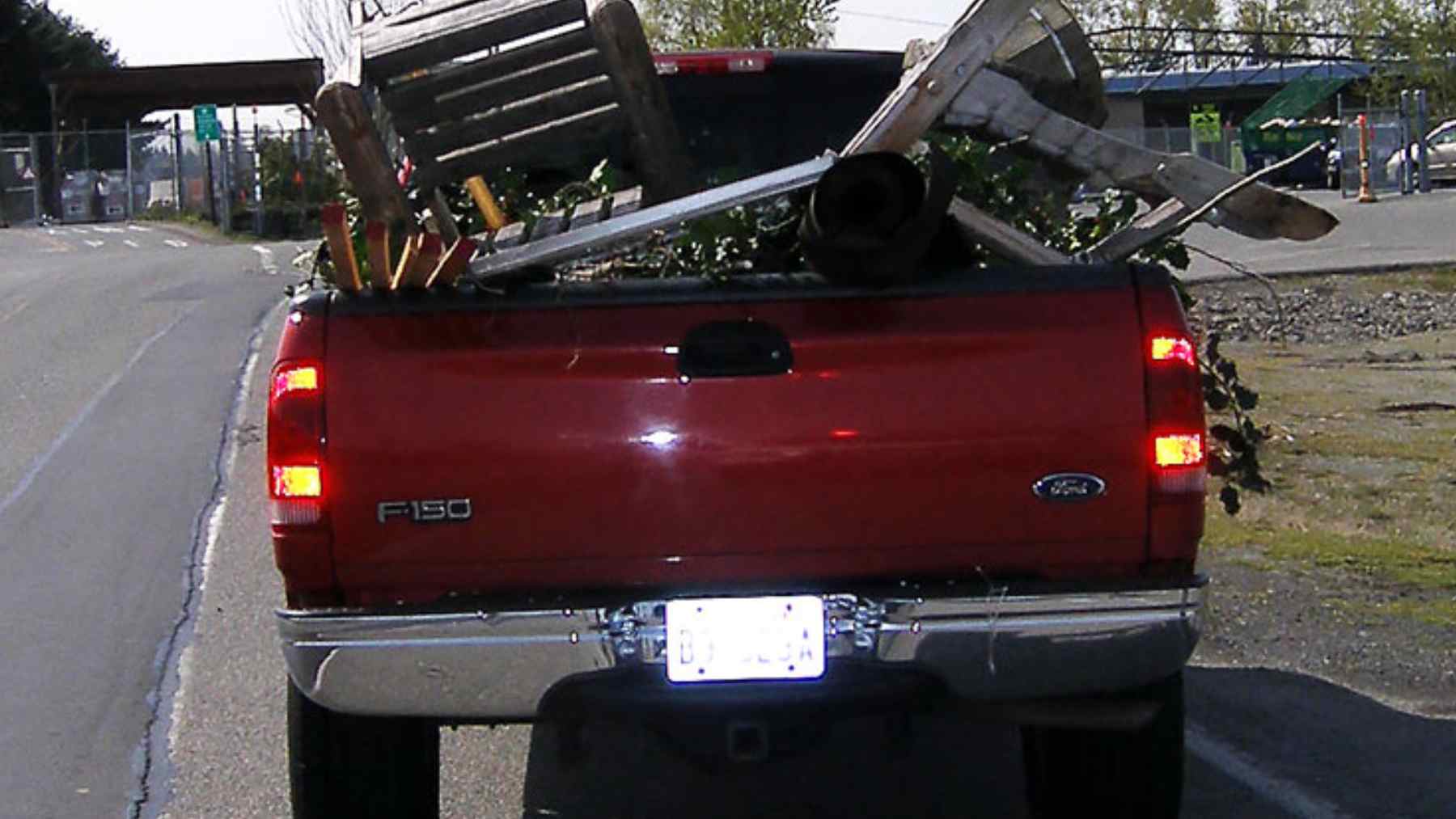
For everyday drivers hauling yard waste, old furniture, or building materials, the lesson is simple. That extra minute with a tarp, cargo net, or a few bungee cords can mean the difference between a quiet commute and someone behind you slamming on the brakes to dodge flying debris. It can also mean one less plastic bag, board, or loose nail washing into the nearest stream.
The Tennessee truck that never should have been on the road is a vivid reminder. When loads stay secure, nails and other debris stay on the truck instead of in our tires, our rivers, and our wildlife habitats. At the end of the day, that protects every driver and the environment that begins just beyond the guardrail.
The study was published on the AAA Foundation for Traffic Safety website.