The global energy industry continues, incomprehensibly, to rely on nuclear or oil, among other non-renewable sources. However, America has just taken a historic turn that has the world on edge: we have found the “mine of the Apocalypse”, with an amount of energy never seen before in history: 5 trillion of the most powerful source known to mankind, better even than geothermal, nuclear and photovoltaic combined. The most shocking thing of all? These are the states where it has been found (and the colors of it).
America has found the “mine of the Apocalypse”: We have 5 trillion under the ground
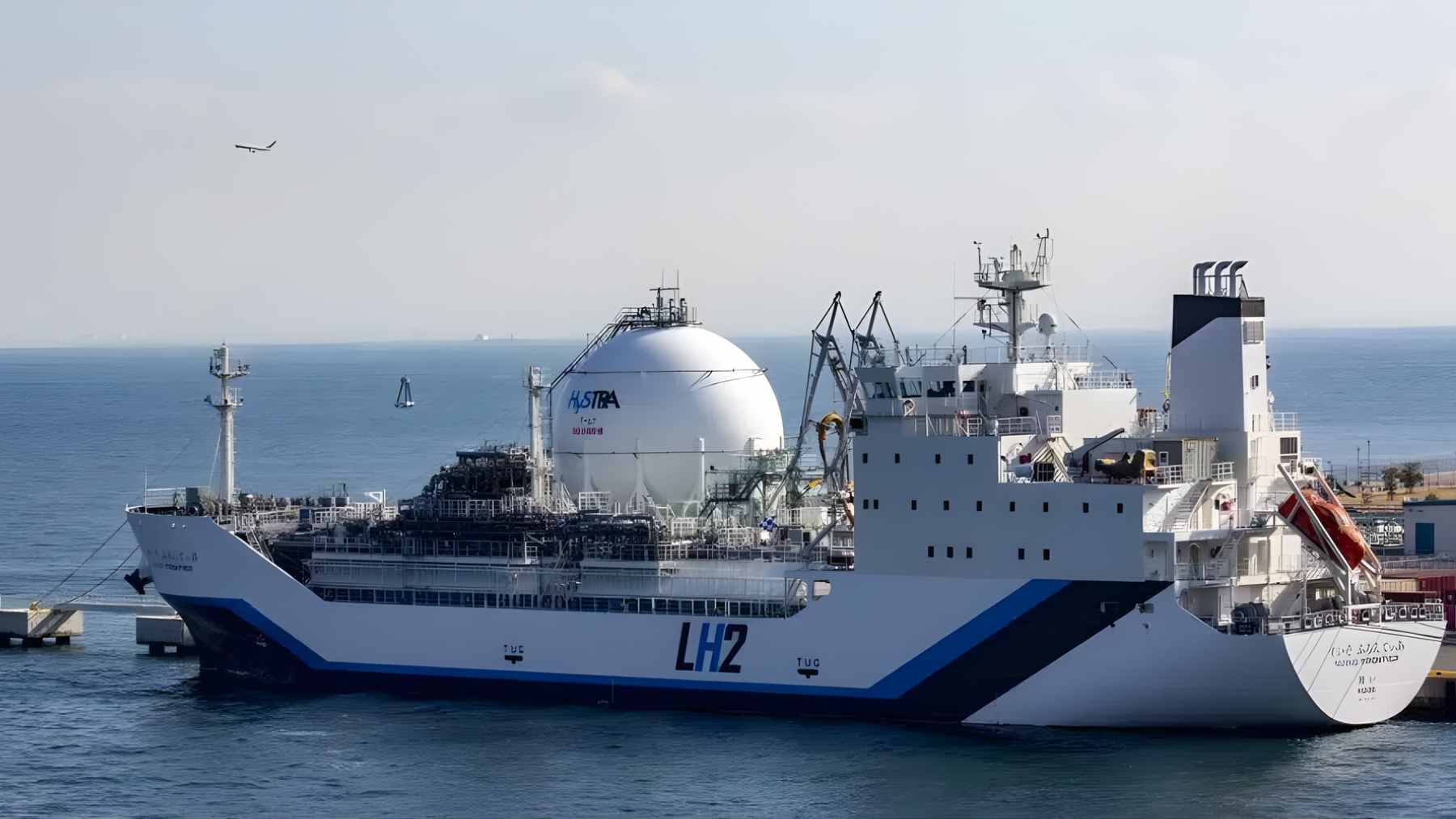
Hydrogen market is still in progress worldwide for its production, use and export, but the United States is also expanding its wing in hydrogen production. This piece narrows down to the global resources of hydrogen in the present world, the capabilities of hydrogen in the USA, key hydrogen projects, and the numerous colors of hydrogen in the making.
Internationally, a bureau of geology in the U.S. known as the United States Geological Survey, or USGS, has assumed that the Earth’s extremities contain up to five trillion tons of natural hydrogen that is lay down in the Earth’s extremities. This hydrogen, sometimes known as white hydrogen, is generated geochemically via the breakdown of iron-rich formations and water percolation through the earth’s fault lines.
At the moment, there is only the white hydrogen field in Mali, however, there is ongoing research in many countries, including the United States. Currently in the U.S., NE is at the vanguard of white hydrogen drilling; the country’s first well dedicated to this product was recently drilled.
These states have discovered the “biggest hydrogen mine in history”: More energy than ever
Several states are here in America are emerging as key players in the hydrogen sector:
- Nebraska: Currently, Nebraska can boast of the first white hydrogen well, which proves that the state is actively working on the largesse of natural hydrogen.
- California: Popular for its aggressive RE agenda, the state of California is also funding hydrogen solutions; with green hydrogen derived from RE sources.
- Texas: In terms of experience and capacity for hydrogen projects, especially including blue and green hydrogen development, Texas seems to be very well-equipped, largely due to the state’s endowment with a vast amount of oil and gas networks.
These states are not only looking into the possibilities of natural hydrogen but are also putting investment into the different types of hydrogen production and methods: green hydrogen from renewables as well as blue hydrogen from natural gas, and carbon capture technologies (the same ones as Iceland is developing)
America has invented new “colors” for hydrogen: Not all are good, and some are worrisome
Hydrogen is categorized into several “colors,” each representing different production methods and environmental impacts (we have already talked about this, but we want to return to this topic).
- Green Hydrogen: Derived from renewable energy sources such as wind energy, solar energy and hydropower, green hydrogen is thought to be the best type of hydrogen in terms of environmental impact.
- Blue Hydrogen: This type is produced from natural gas, but the carbon is removed and stored, making it a cleaner source than other conventional hydrogen sources.
- Gray Hydrogen: The most widely used type of hydrogen, primarily because it is derived from natural gas without controlling emissions, it comes at a high environmental cost.
- White Hydrogen: This is the naturally occurring hydrogen tapped from geological structures, as pointed out above. Its extraction and operation are still little practiced.
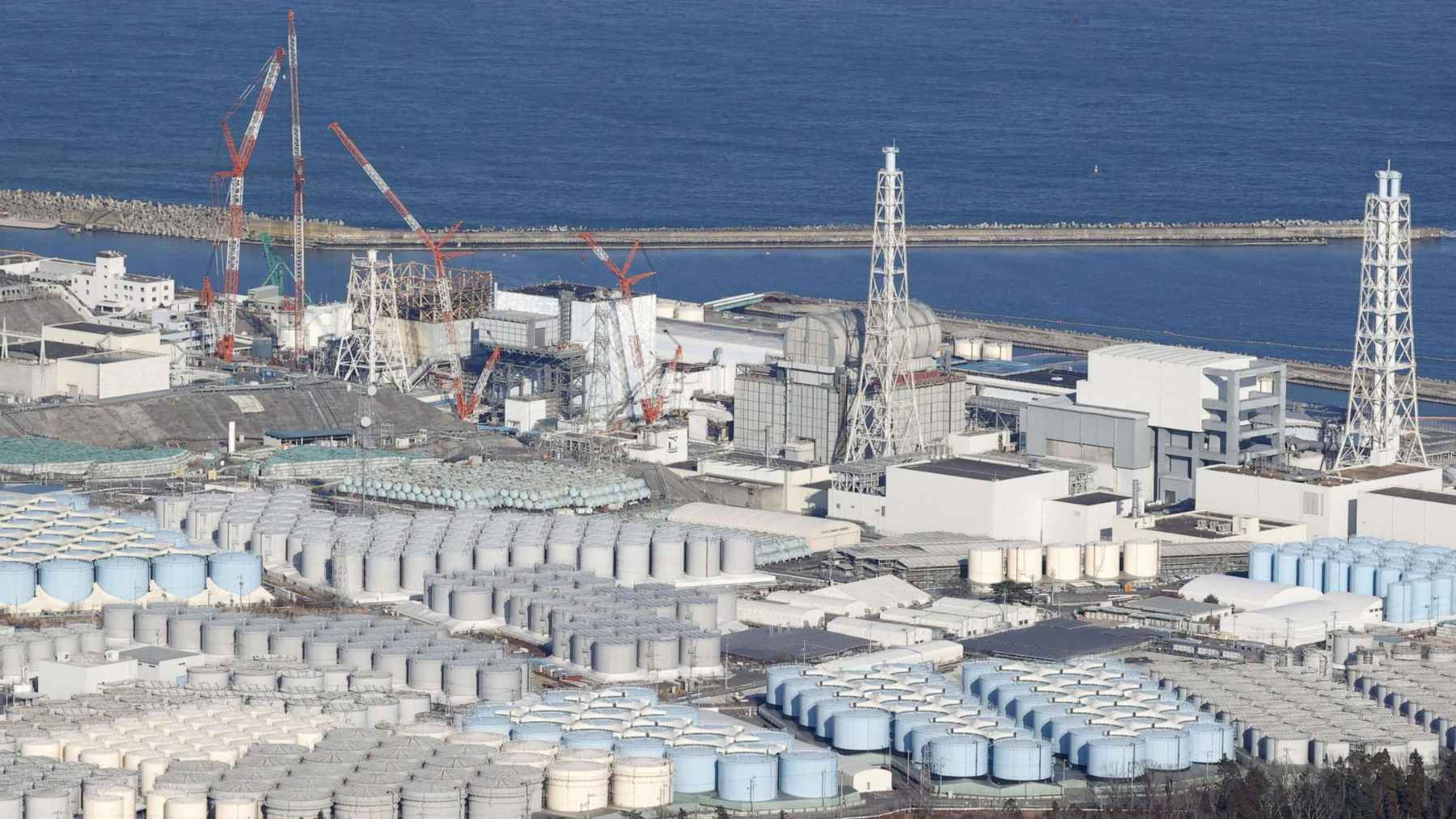
- Yellow Hydrogen: Another contested form of hydrogen is yellow hydrogen, which is produced out of nuclear power; this is another class that could have a role in the future hydrogen economy.
The search for hydrogen in America seems endless, and not because we can’t find it, but because, wherever we look, we have had a massive reserve of energy for centuries. Moreover, we have the capacity to develop it in almost its entire “color spectrum”: from blue, to green, to yellow or orange, but also other so-called “dangerous” colors, such as red, purple or black, which could be a historical mistake that other countries (such as Japan) are already regretting.