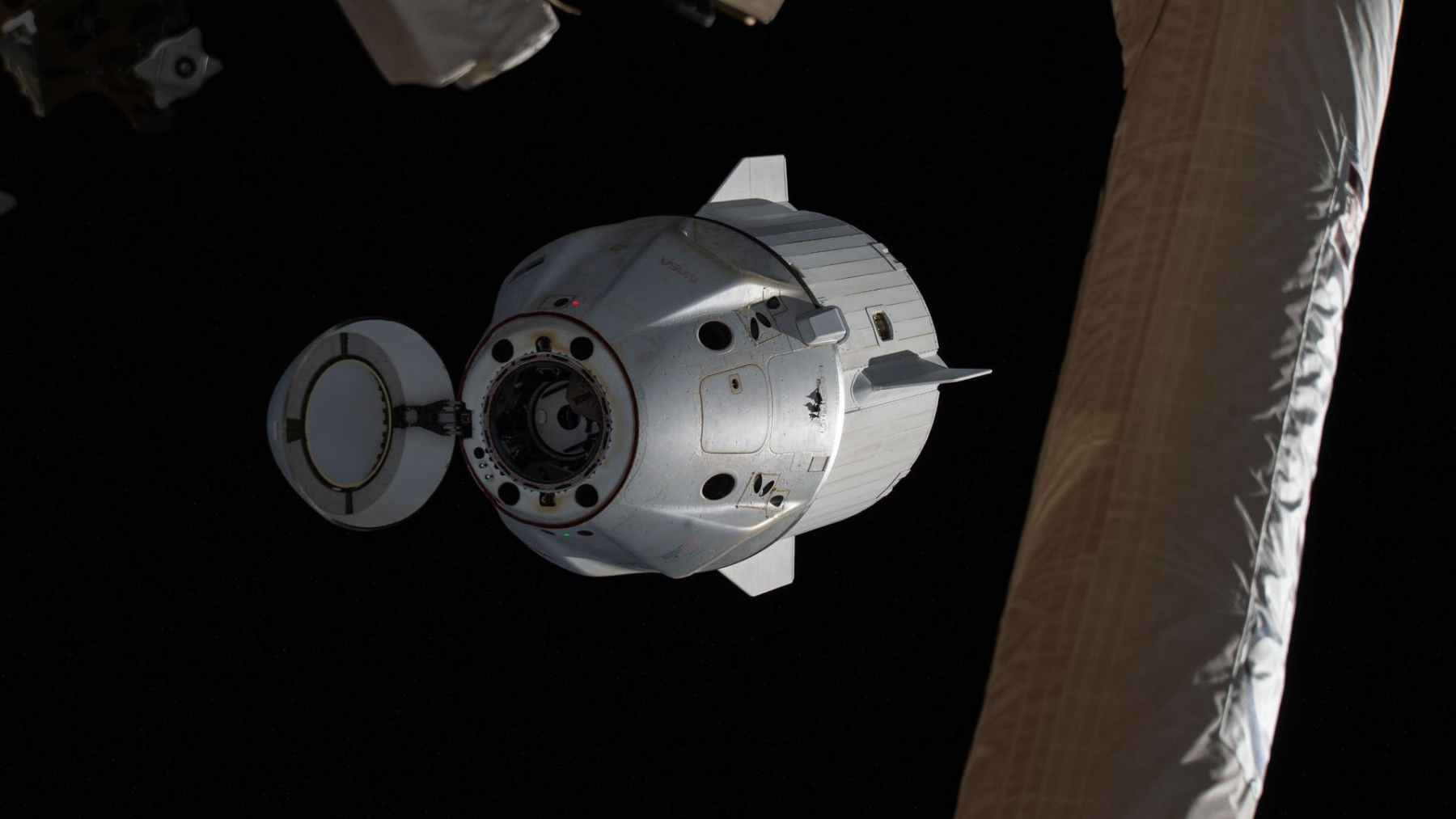
The four members of NASA’s SpaceX Crew 11 mission are back on Earth after a tense but carefully managed return from the International Space Station. At about 03:41 in the morning Eastern time on Thursday, January 15, their Crew Dragon capsule splashed into the Pacific Ocean off the coast of San Diego, wrapping up roughly 167 days in orbit.
The homecoming came sooner than anyone expected. NASA brought the mission back about a month early because of a medical concern involving one of the astronauts living and working on the station, a crew member the agency says is stable and protected by strict medical privacy.
For a program that usually runs like clockwork, it is a reminder that human spaceflight still carries real risks, even when the livestream looks calm.
Crew 11 comes home earlier than planned
Crew 11 launched on August 1, 2025, as part of NASA’s Commercial Crew Program that uses private spacecraft such as SpaceX’s Dragon to ferry astronauts to the station. During their time in orbit, NASA astronauts Zena Cardman and Mike Fincke, JAXA astronaut Kimiya Yui, and Roscosmos cosmonaut Oleg Platonov helped run more than 140 science investigations, from human health studies to technology tests for future deep space missions.
Over roughly five and a half months, the crew circled Earth more than 2,670 times and traveled nearly 71 million miles. For most of us, a long trip means a few thousand miles on a plane and some jet lag at the end; for these four, “coming home” means streaking through the atmosphere in a capsule and hitting the ocean in the dark before sunrise.
A medical concern triggers a controlled evacuation
According to NASA, mission managers decided to shorten the stay after a medical issue arose with one of the astronauts on board the station. The agency has not named the person or described the condition, stressing that the crew member is stable and that privacy rules limit what can be shared.
Outside spaceflight experts and news outlets note that this appears to be the first time a long duration station mission has been cut short specifically because of astronaut health.
In practical terms, a medical evacuation from orbit means adjusting the timeline, bringing everyone home in a controlled way, and doing it early enough that doctors on the ground have the best chance to help. It is less a dramatic rescue than a cautious change of plans.
What recovery looks like after splashdown
Once Crew Dragon hit the water off California, teams on a SpaceX recovery ship moved in with two fast boats to secure the capsule and check for hazards around it. After those first safety steps, the larger vessel positioned itself to lift Dragon onto its main deck with the astronauts still strapped inside, then helped the crew climb out for their first steps back on Earth.
From there, the plan looks surprisingly familiar to anyone who has waited in a hospital corridor for test results. All four astronauts are being taken to a nearby hospital for detailed medical evaluations, using the far greater resources available on the ground.
After a scheduled overnight stay, they will fly to NASA’s Johnson Space Center in Houston, reunite with their families, and begin the usual post-flight rehabilitation that helps bodies readjust to gravity after months in weightlessness.
Why this mission matters for future explorers
NASA Administrator Jared Isaacman said he could not be prouder of the astronauts and the teams at NASA, SpaceX, and international partners who kept the mission on track despite the change in schedule. Crew 11 still completed more than 140 experiments and marked the 25th anniversary of continuous human presence on the station, all while demonstrating that the agency can bring people home when health comes first.
Veteran astronaut Mike Fincke now has about 549 days in space across four missions, while Cardman, Yui, and Platonov add their own hard-won experience to the pool of future station and Moon crews. At the end of the day, what NASA is trying to do is show that it can protect crews in orbit, keep science going, and still prepare for coming milestones such as the Artemis II mission around the Moon.
A post-splashdown media briefing at 05:45 in the morning Eastern time on NASA plus, Amazon Prime, and the agency YouTube channel will include Isaacman and Joel Montalbano, who helps lead NASA’s Space Operations Mission Directorate and will walk through what happens next.
The main official press release has been published by NASA.