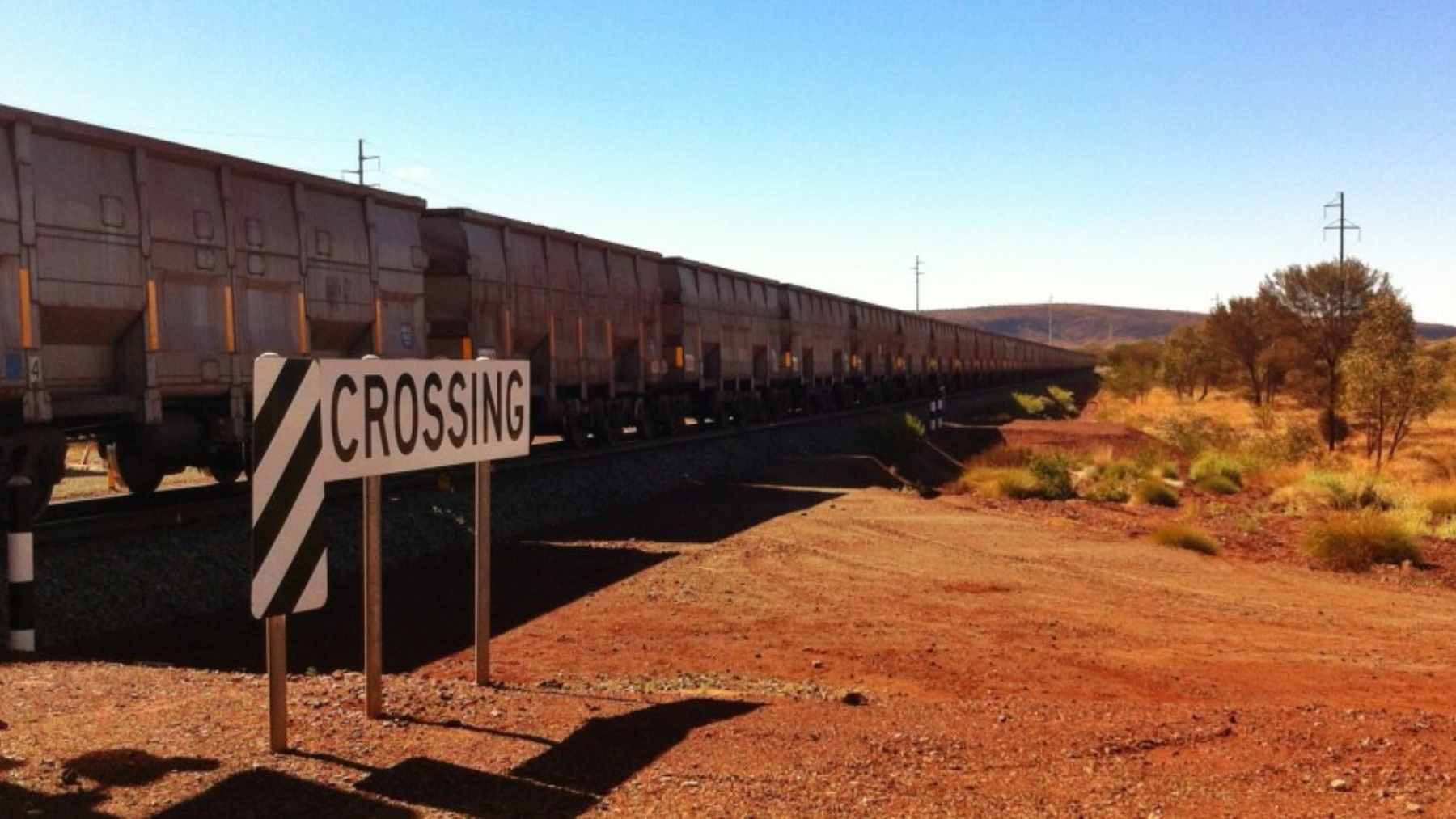
This is not a story about a brand-new mountain of iron suddenly appearing in Australia. The real surprise is that scientists may have finally dated Earth’s largest iron ore deposits directly, and the answer shifts the clock by roughly 1 billion years in one of the most important mining regions on the planet. For geology, that is huge.
In the Hamersley Province of Western Australia, a peer-reviewed study found the preserved giant hematite deposits formed between 1.4 and 1.1 billion years ago, far later than the long-accepted 2.2 to 2.0 billion-year window often linked to the Great Oxidation Event.
That change does more than update a textbook date. It suggests the ores that helped build modern steel economies were tied, to a large extent, to tectonic upheaval rather than only to early changes in Earth’s atmosphere.
Why the new date changes the story
Why obsess over an ancient timestamp? Because the old timeline was pieced together mostly from indirect clues, including older ore fragments locked inside conglomerates and phosphate minerals found near the iron ore, while the new study dated hematite itself through in situ uranium-lead analysis across multiple major deposits in the Pilbara Craton.
When you change the clock, the whole origin story shifts with it.
That methodological jump is a big reason the paper has drawn so much attention. C&EN described it as the first study to directly date an iron oxide deposit, which means researchers are no longer relying only on minerals that may have formed before or after the main ore-forming event.
In practical terms, the scientists got closer to the rock that matters most.
A treasure shaped by moving continents
The paper points to tectonics, not just ancient oxygen, as the main driver behind the preserved giant ores.
Researchers say the key mineralizing window lines up with the breakup of the Columbia supercontinent and the later amalgamation of Australia, a time when heat, deformation, and hydrothermal fluid flow could operate across the scale of the whole Pilbara Craton. It is a reminder that continents do not just drift quietly.
Sometimes they rearrange the rules underground.
The iron-rich layers themselves were older banded iron formations, which are ancient sedimentary rocks. What seems to have happened later is that those rocks were upgraded into high-grade hematite ore, in some cases above 60% iron, as tectonic forces drove fluids through the crust and reworked the original material.
That is the kind of enrichment that turns old rock into the raw ingredient for steel.
Why Hamersley matters so much
Hamersley matters because it is not some obscure patch of desert. Geoscience Australia says about 96% of Australia’s iron ore exports are high-grade hematite, much of it mined from Hamersley, and the country remains the world’s largest iron ore producer.
So when researchers revise the history of this province, they are also revisiting the deep-time story behind a resource that feeds construction, transportation, and the hardware of the energy transition.
Some recent coverage describes the province as holding more than 55 billion tons of iron ore, which helps explain the splashy headlines about staggering market value. But here is the important reality check.
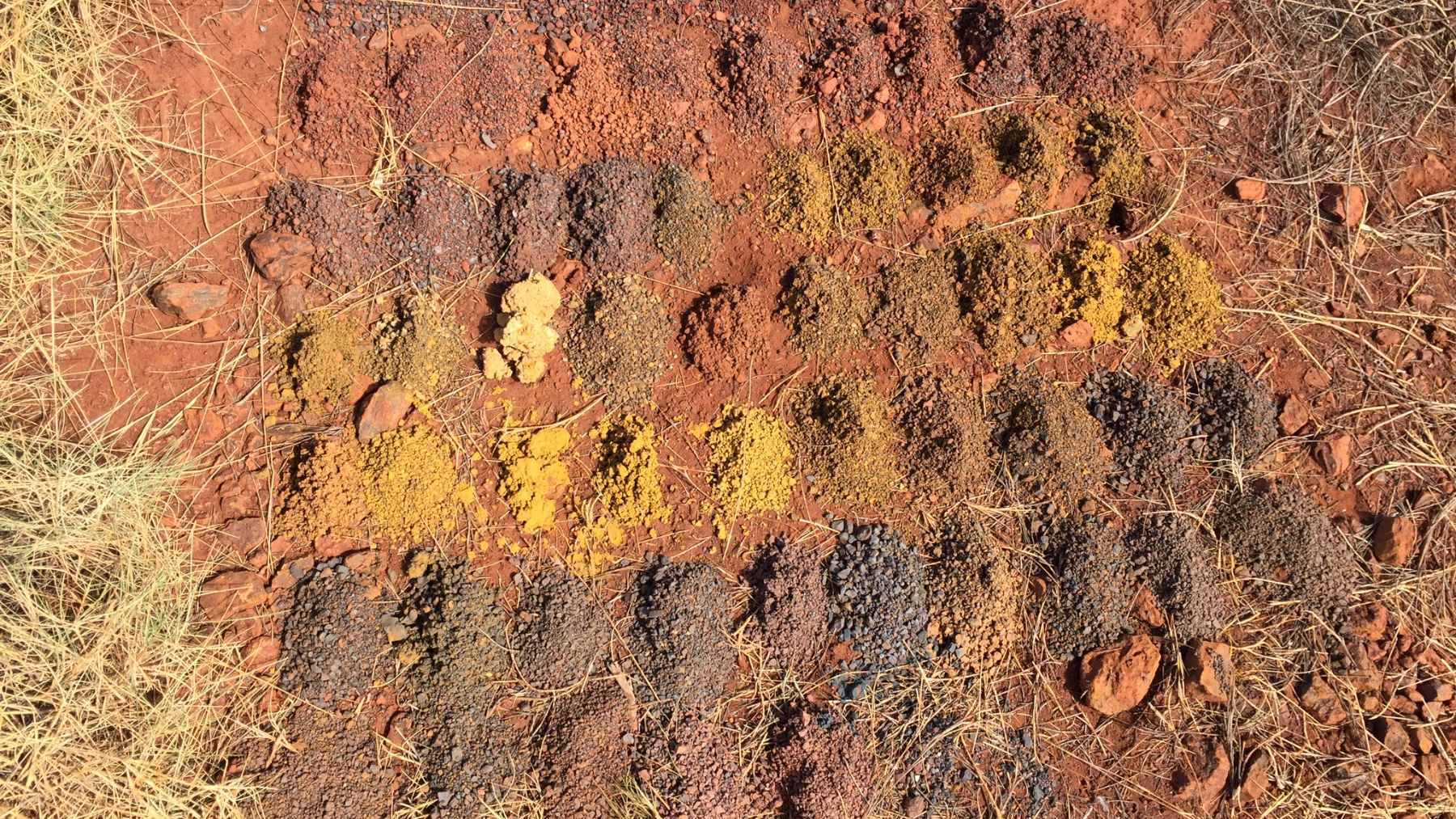
The paper is not announcing that geologists just stumbled across a hidden pile of iron last week, and for the most part it is explaining when the already famous Hamersley ores formed and why their timing may have been misunderstood for decades.
The big question that remains
The old model is not being erased completely. The researchers also found evidence for an earlier mineralizing event around 2.2 to 2.0 billion years ago, but they argue much of that older ore was probably eroded away, leaving the largest preserved deposits tied mainly to the younger 1.4 to 1.1 billion-year episode.
So the story may be less “either or” and more “both happened, but one survived better.”
Even so, this probably is not the final word. One outside geochemist told C&EN the study is “a solid piece of analytical work,” but other experts said future research still needs to test whether hematite ages capture every stage of ore formation or mainly the later overprint.
That is healthy scientific tension, not a weakness, because it turns the new dates into a fresh line of investigation for ancient mineral belts in places such as South Africa, Brazil, and Canada, where similar tectonic histories may have left similar clues.
At the end of the day, the biggest takeaway is surprisingly simple. Earth’s most important iron ore province may owe its preserved richness not just to the rise of oxygen in the deep past, but to the grinding, breaking, and rebuilding of continents hundreds of millions of years later.
That shifts the search image for geologists, and it gives readers a cleaner way to understand why a dusty corner of Western Australia still matters to the whole world.
The study was published in PNAS.