For decades, the global phaseout of chlorofluorocarbons has been held up as one of humanity’s big environmental success stories. Yet a new study finds that the very chemicals brought in to protect the ozone layer have already created about 335,500 metric tons of a persistent pollutant called trifluoroacetic acid that is now falling back to Earth with the rain between 2000 and 2022.
Researchers at Lancaster University report that long-lived replacements for CFCs plus some inhaled anesthetics have become the dominant atmospheric source of this compound worldwide.
Their work, published in the journal Geophysical Research Letters, suggests that a story of ozone recovery now comes with a quieter, long-term chemical legacy that scientists say needs international monitoring.
What is trifluoroacetic acid?
Trifluoroacetic acid, or TFA, is a tiny fluorinated acid molecule that belongs to the same broad family as PFAS, the “forever chemicals” that resist breaking down in nature. Once it forms, it dissolves easily in water, moves with groundwater and rivers, and is remarkably hard to remove with standard treatment plants.
Unlike many industrial pollutants that slowly degrade or stick to sediments, TFA stays in circulation. The Lancaster team estimates that CFC replacements and certain anesthetic gases have already deposited roughly one third of a million tons of TFA on the planet’s surface since the year 2000, and the load is still increasing.
How ozone friendly gases turn into chemical rain
When the world agreed to the Montreal Protocol and later the Kigali Amendment, industries shifted away from CFCs into other fluorinated gases used in refrigerators, heat pumps, and air conditioners. These newer HCFCs and HFCs do far less damage to the ozone layer, which is now on track for recovery, but many of them eventually break down into TFA high in the atmosphere.
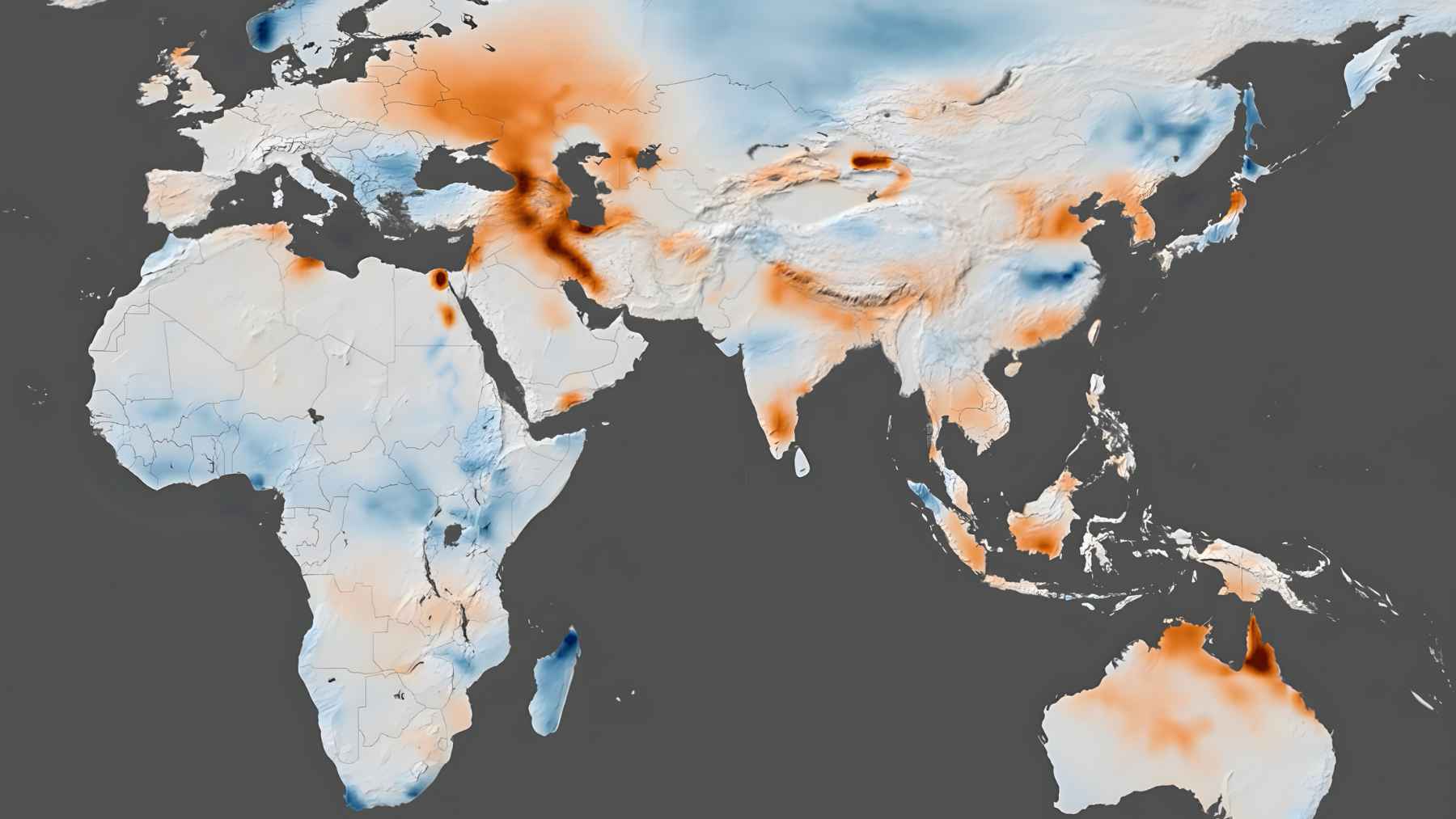
The Lancaster study used a global chemical transport model to simulate how those gases drift, react, and finally form TFA that is washed out by rain or settles directly onto land and water.
Because the source gases can stay aloft for decades, the model suggests that annual TFA production from these chemicals could peak any time between now and the end of this century, even as their use is phased down.
In practical terms, that means every time a supermarket chiller hums or a home air conditioner kicks in during a sticky summer evening, a small part of the cooling chain feeds this slow chemical rain. It is not a dramatic spill that fills headlines, more a steady drizzle that quietly builds year after year.
From Arctic ice to kitchen tables
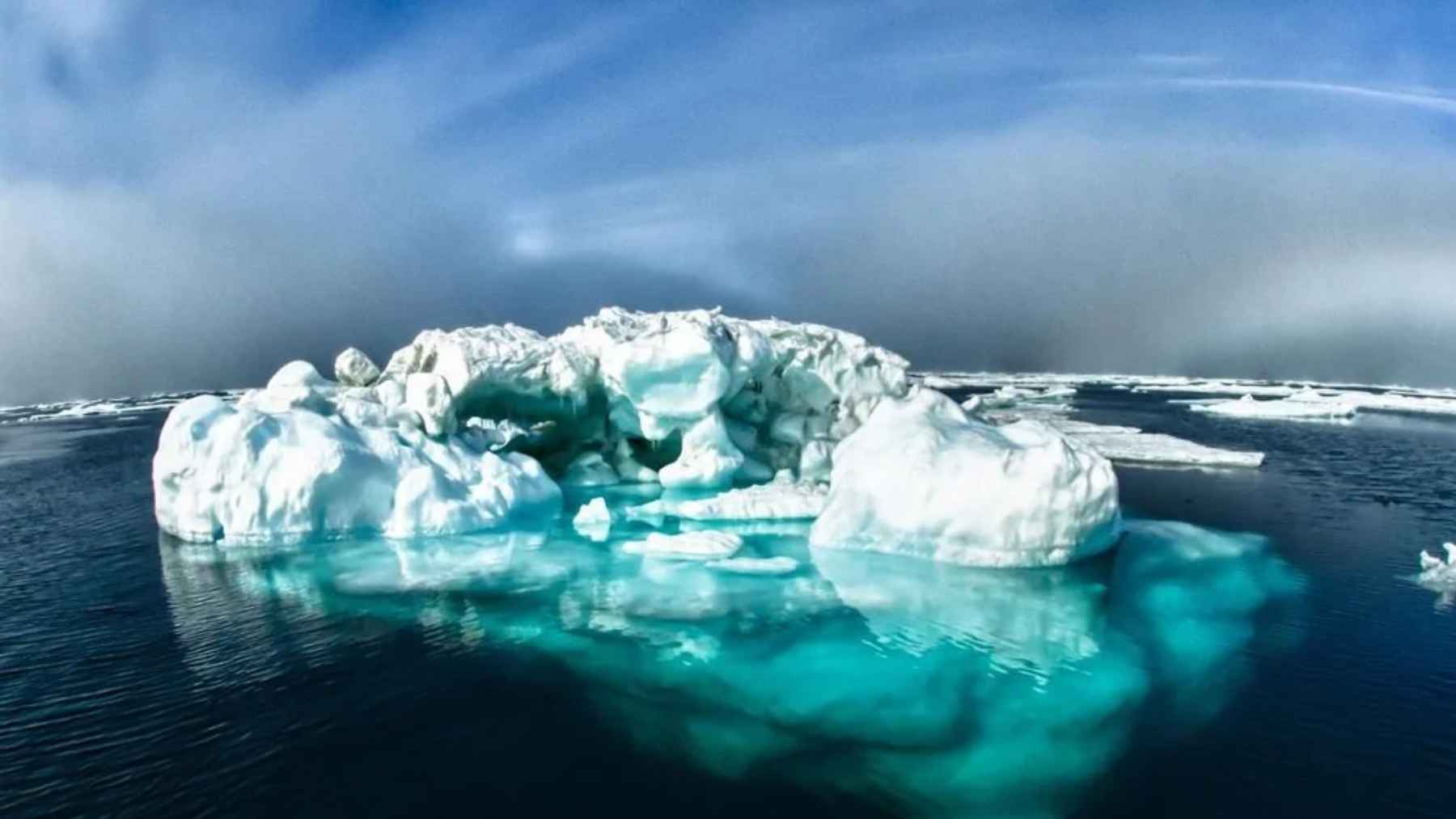
One striking result from the model is its match with real-world measurements in remote ice cores from the Arctic. Far from any factories, almost all of the TFA trapped in that ice can be explained by the breakdown of CFC replacement gases carried thousands of miles by winds.
Closer to where people live, monitoring campaigns have found TFA in rainwater, rivers, mineral waters, cereal-based foods, and even human blood and breast milk.
A briefing by Pesticide Action Network Europe reports contamination in deep aquifers used for European bottled water, while other studies have measured the compound in tap water and breakfast products across the continent.
Regulators describe a mixed picture. The European Chemicals Agency classifies TFA as harmful to aquatic life with long-lasting effects, and Germany’s Federal Office for Chemicals has proposed labeling it as potentially toxic to human reproduction.
At the same time, a rapid review by the Austrian Agency for Health and Food Safety found clear human exposure in medical and environmental settings but no consistent clinical harm at current environmental levels, although data remain limited.
Why scientists want global monitoring
Lead author Lucy Hart says that “CFC replacements are likely to be the dominant atmospheric source of TFA,” a finding that turns a scattered set of local measurements into a global story. Coauthor Ryan Hossaini argues that rising levels from fluorinated gases are “widespread, highly persistent, and increasing,” and that understanding this trend now is cheaper than trying to clean it up later.
The same study highlights the newest generation of refrigerants, known as HFOs, especially HFO 1234yf used in many car air conditioning systems, as an emerging and likely growing atmospheric source of TFA.
That raises an uncomfortable question for climate and pollution policy in general. If one harmful gas is swapped for another without checking what happens over its whole life cycle, are we really solving the problem or just changing its shape?
For most people, this invisible chemical rain will never be as obvious as the hole in the ozone layer once was. Yet researchers warn that its extreme persistence means small decisions about coolants and chemicals today will echo in rivers, soils, and drinking water supplies for generations.
The main study was published on the Geophysical Research Letters.