Big achievements rarely arrive in one dramatic leap. In climate and sustainability, that idea is starting to look less like a motivational line and more like a hard fact. The International Energy Agency says global energy efficiency progress is expected to improve to 1.8% in 2025, but that still falls far short of the 4% annual pace governments backed at COP28.
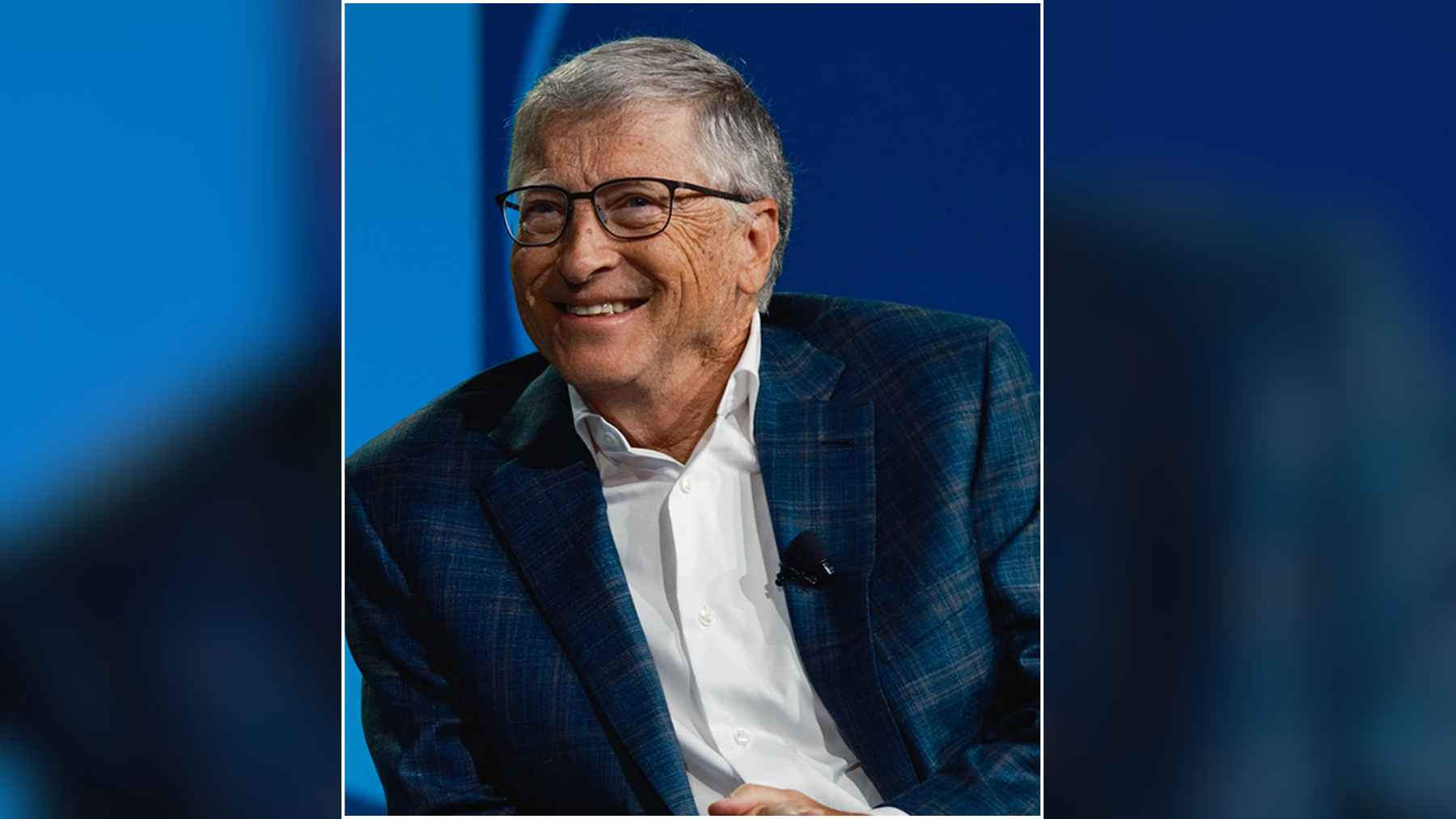
Can turning down the thermostat, sealing a drafty attic, or rescuing leftovers from the back of the fridge really change anything? On their own, not enough. But multiplied across millions of homes, those habits can cut bills, reduce waste, and ease pressure on energy systems, and Bill Gates has written that “there are things everyone can do” even though the most impactful steps “must happen at the governmental level.”
The world is moving, but not fast enough
The new IEA numbers show why this matters. Global energy efficiency progress has averaged just 1.3% a year since 2019, which is a little over half the roughly 2% average seen from 2010 to 2019 and well below the 2030 target governments agreed to pursue. In practical terms, that means the planet is still leaving easy savings on the table.
The agency also warns that policies are lagging behind the technology people could already be using. Best-in-class lightbulbs have doubled in efficiency over the last 15 years, yet minimum performance standards have risen by only 30%, and cooling demand keeps climbing as hotter weather pushes more people to rely on air conditioners. The trouble is, the clock is moving faster than politics.
The small home upgrades that people actually feel
For most households, the biggest climate wins do not begin with something glamorous. In advanced economies, about 70% of household energy use goes to space and water heating, and the Department of Energy says simply turning the thermostat back by 7 to 10 degrees for eight hours a day can save as much as 10% a year on heating and cooling.
That is the kind of change people notice not just in emissions charts, but on the electric bill, especially when heating and cooling already account for more than $900 a year in the average American household.
Lighting is another quiet fix that adds up fast. The Department of Energy says residential LEDs use at least 75% less energy than incandescent bulbs and can last up to 25 times longer, while ENERGY STAR says sealing air leaks and adding insulation can save homeowners an average of 15% on heating and cooling costs and 11% on total energy costs.
ENERGY STAR also says 9 out of 10 U.S. homes are under-insulated, which helps explain why so many houses feel drafty in winter and stuffy when that sticky summer heat settles in.
The climate story hiding in the kitchen
Energy is only part of the picture. The EPA says one-third of all food in the United States goes uneaten, and in 2019 about 96% of households’ wasted food ended up in landfills, combustion facilities, or down the drain. That matters because wasted food is responsible for 58% of landfill methane emissions, a striking number for something many people still think of as just a trash problem.
This is why meal planning, better storage, and actually eating the leftovers matter more than they seem to. The EPA says the average family of four spends almost $3,000 a year on food that does not get eaten, so a cleaner fridge can mean less methane, less waste, and more money staying in your pocket. Small change, real impact.
Why small steps still need bigger systems
None of this means individuals can solve climate change by shopping smarter for a week. Gates has been clear that personal choices matter, but the larger systems around energy, buildings, transport, and food still shape the bulk of emissions, and the IEA says efficiency policies remain one of the strongest tools available for cutting costs and pollution at scale.
Still, the cumulative effect is hard to ignore. According to the IEA, without efficiency gains since 2010, greenhouse gas emissions today would be 20% higher, and efficiency actions since 2000 have reduced household energy bills in advanced economies by up to 20%.
At the end of the day, that may be the most useful environmental lesson in Bill Gates’s old idea about progress. Big results often start with the small fixes people can actually make.
The official report was published by the IEA.