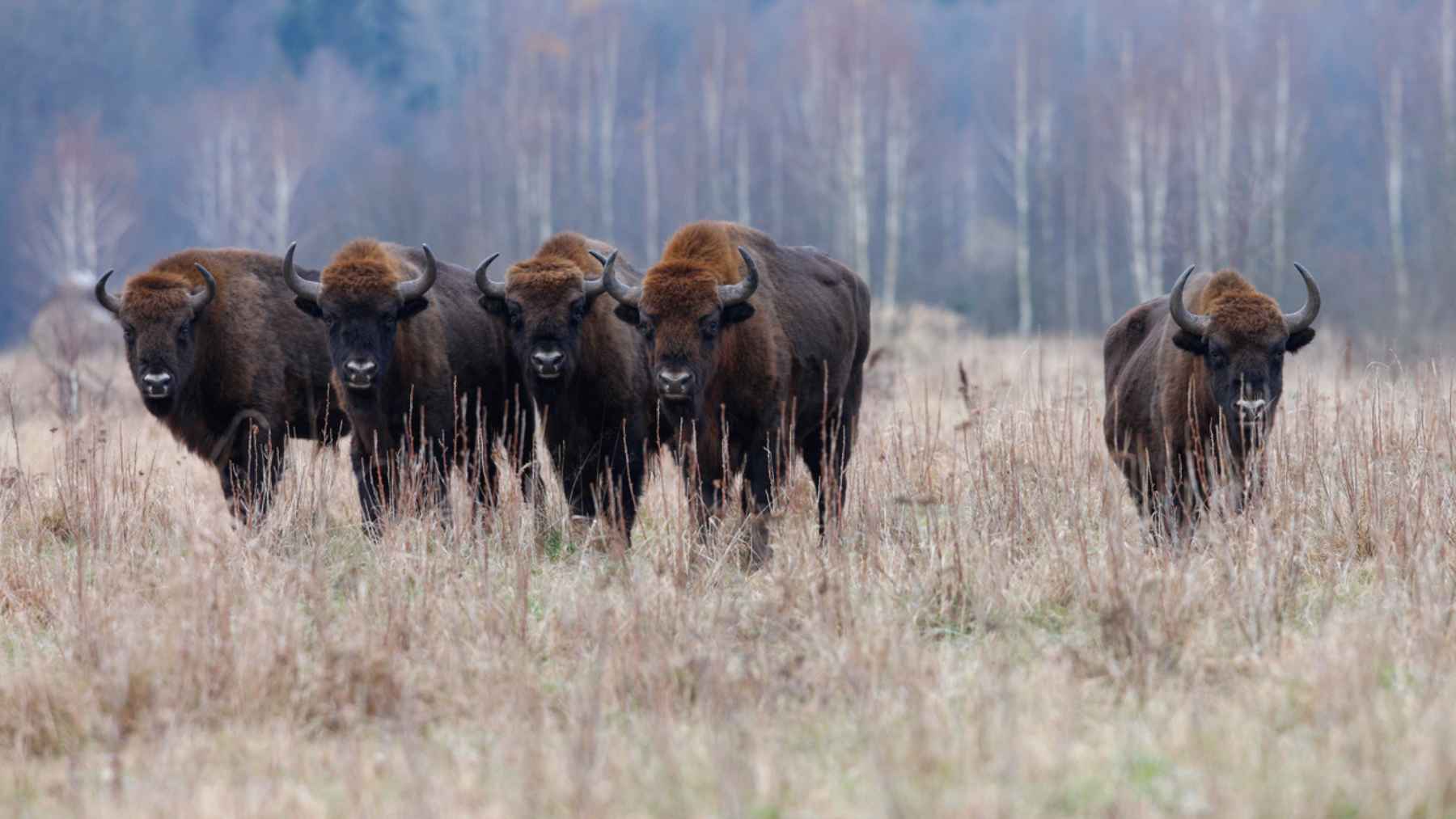
In the mountains of western Romania, a herd of shaggy giants is quietly changing the rules of the game. Where forests were closing in and fields were turning uniform, plants are now bouncing back in new and surprising ways.
Conservation teams report that after a decade of rewilding work in the Tarcu Mountains, vegetation in some areas has increased by around thirty percent, both in volume and in variety. In practical terms, that means more grass, more shrubs, more flowers and a richer mix of habitats in the same landscape.
For scientists and local residents alike, the return of Europe’s largest land mammal is turning into a live demonstration of how bringing animals back can help heal damaged ecosystems.
A century after extinction, bison return to the wild
The European bison once roamed much of the continent but was hunted so heavily that the last wild individuals disappeared in the early 20th century. By 1927, fewer than sixty animals survived in zoos and private parks, and only intensive breeding programs prevented the species from vanishing altogether.
According to Rewilding Europe, the comeback of the species is now one of Europe’s most striking wildlife recovery stories. Together with WWF Romania, the group began releasing bison into the Tarcu range in 2014, creating what is considered the largest reintroduction project for the species in Europe.
Spain’s Museo Nacional de Ciencias Naturales (CSIC) highlights Romania as a key stronghold in this recovery, since bison here live free in a huge mosaic of mountains and valleys rather than in fenced reserves. That detail matters because it allows natural behaviors like long distance movement and seasonal migration to reappear.
How bison are reshaping vegetation in the Tarcu Mountains
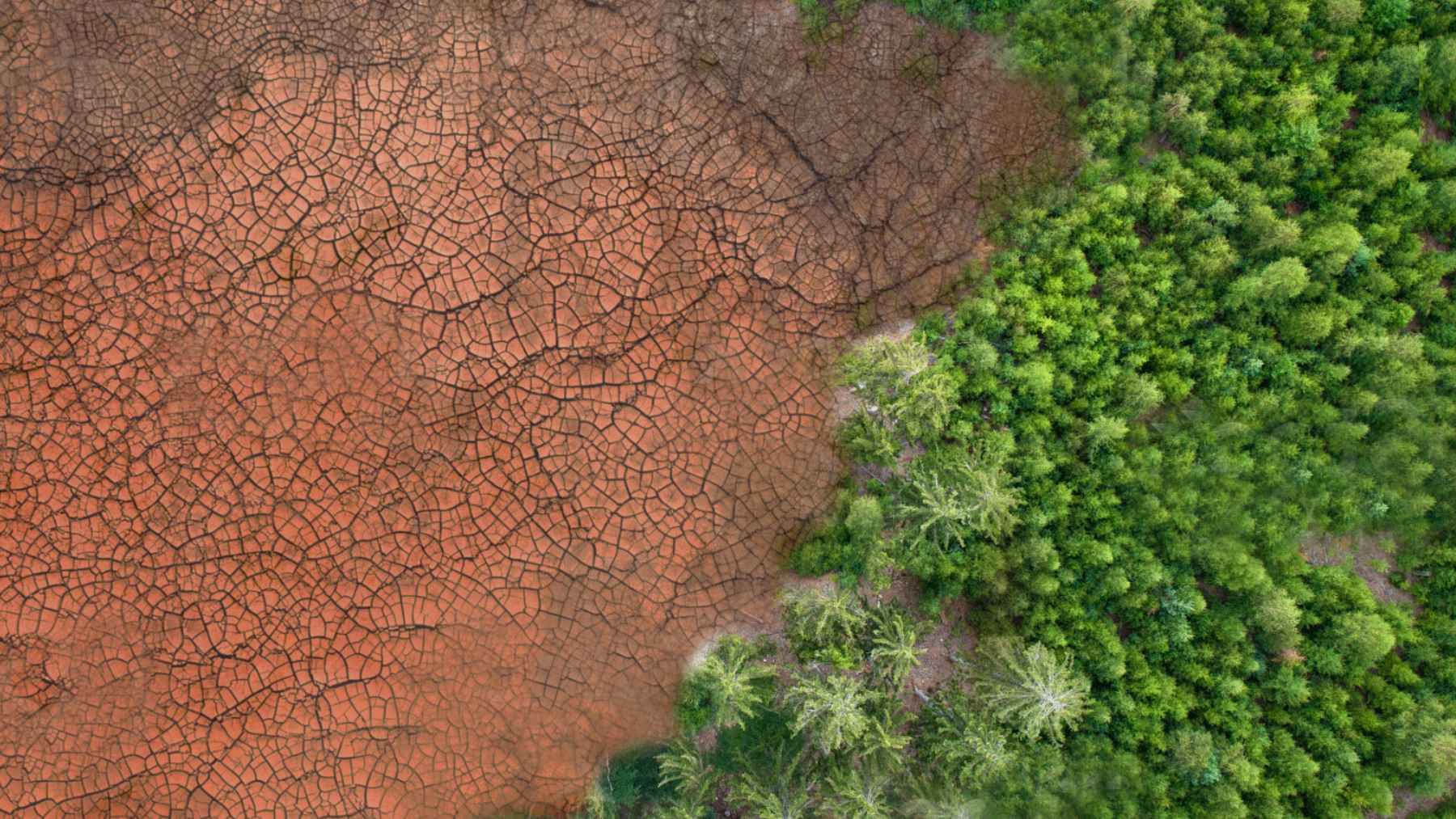
So why are scientists seeing more plants in a place full of one-ton grazers? The answer lies in the way bison eat, walk and rest. They graze open areas, trample shrubs, roll in the dirt and spread seeds in their fur and dung, which breaks up dense vegetation and opens patches of bare soil where new species can sprout.
Monitoring described by the outlet Click Petróleo e Gás points to an increase of about thirty percent in plant biomass and diversity in zones where the herd has been established for several years.
This is not a wall of identical greenery but a more complex scene with grasslands, shrubs and young forest standing side by side, which in turn supports more insects, birds and small mammals. That kind of mixed landscape is exactly what many European species evolved with in the first place.
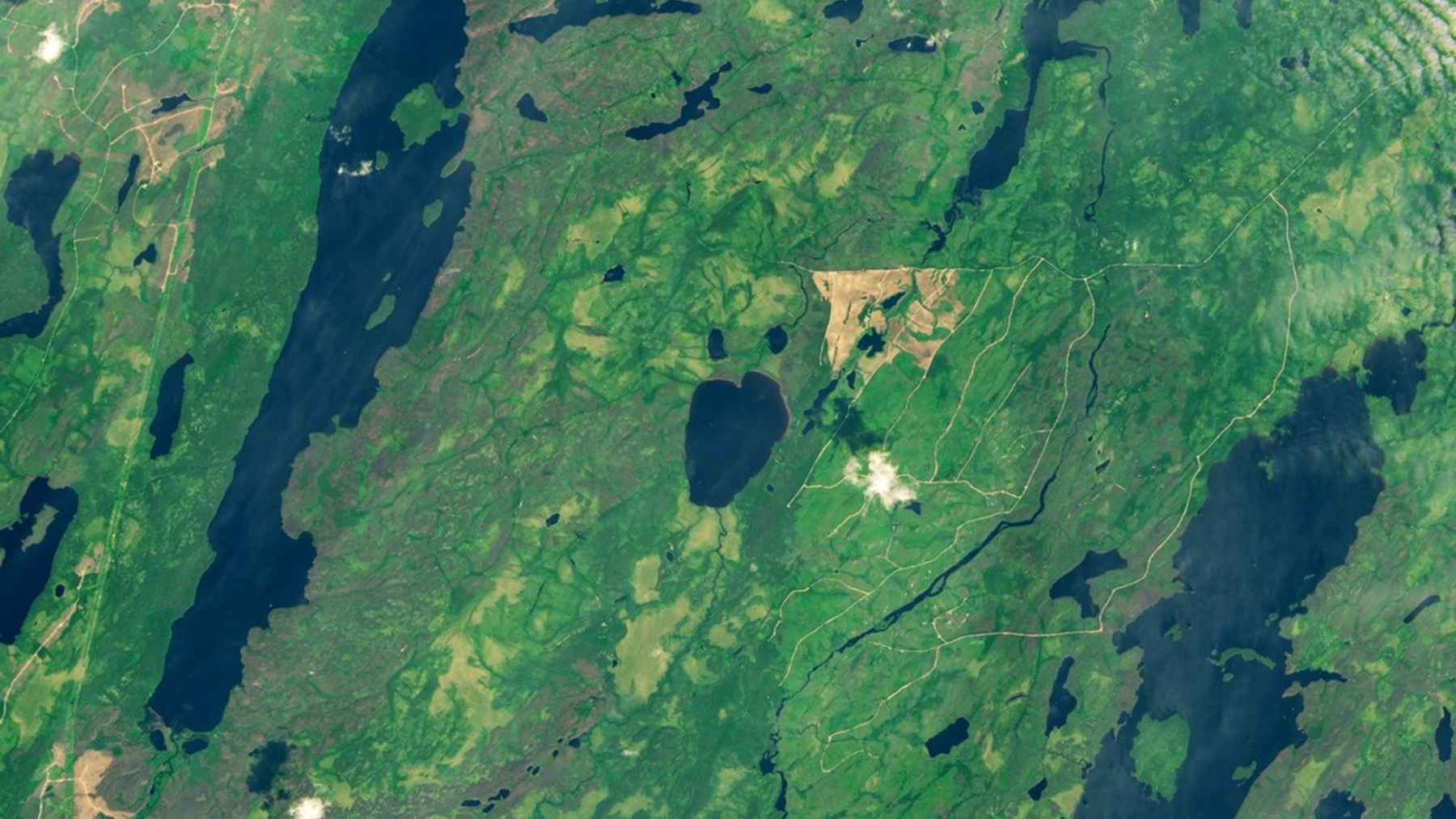
Recent modeling work by researchers at the Yale School of the Environment links these changes in vegetation to climate benefits. Their analysis of a herd of around 170 bison grazing on about forty eight square kilometers in the Tarcu area suggests that the animals help soils capture roughly fifty four thousand tons of carbon each year, nearly ten times more than in a similar area without bison.
One scientist involved in the project summed it up with a simple idea, saying that these animals act as climate allies by keeping carbon locked in the ground instead of letting it drift into the air.
Rewilding success that still worries local communities
On paper, this sounds like a win for nature and the climate. On the ground, life is more complicated. Families who depend on cattle, hay fields and small plots for their income worry about fences being broken, haystacks being raided or herds meeting bison on narrow mountain tracks.
Project partners have tested a mix of solutions, from patrols and early warning systems to support for better fencing and plans to compensate farmers when damage occurs. WWF field teams speak of helping villages become what they call bison smart communities, where people learn how to avoid risky encounters and who to call when animals wander too close to homes. It is slow work, and trust has to be rebuilt each season.
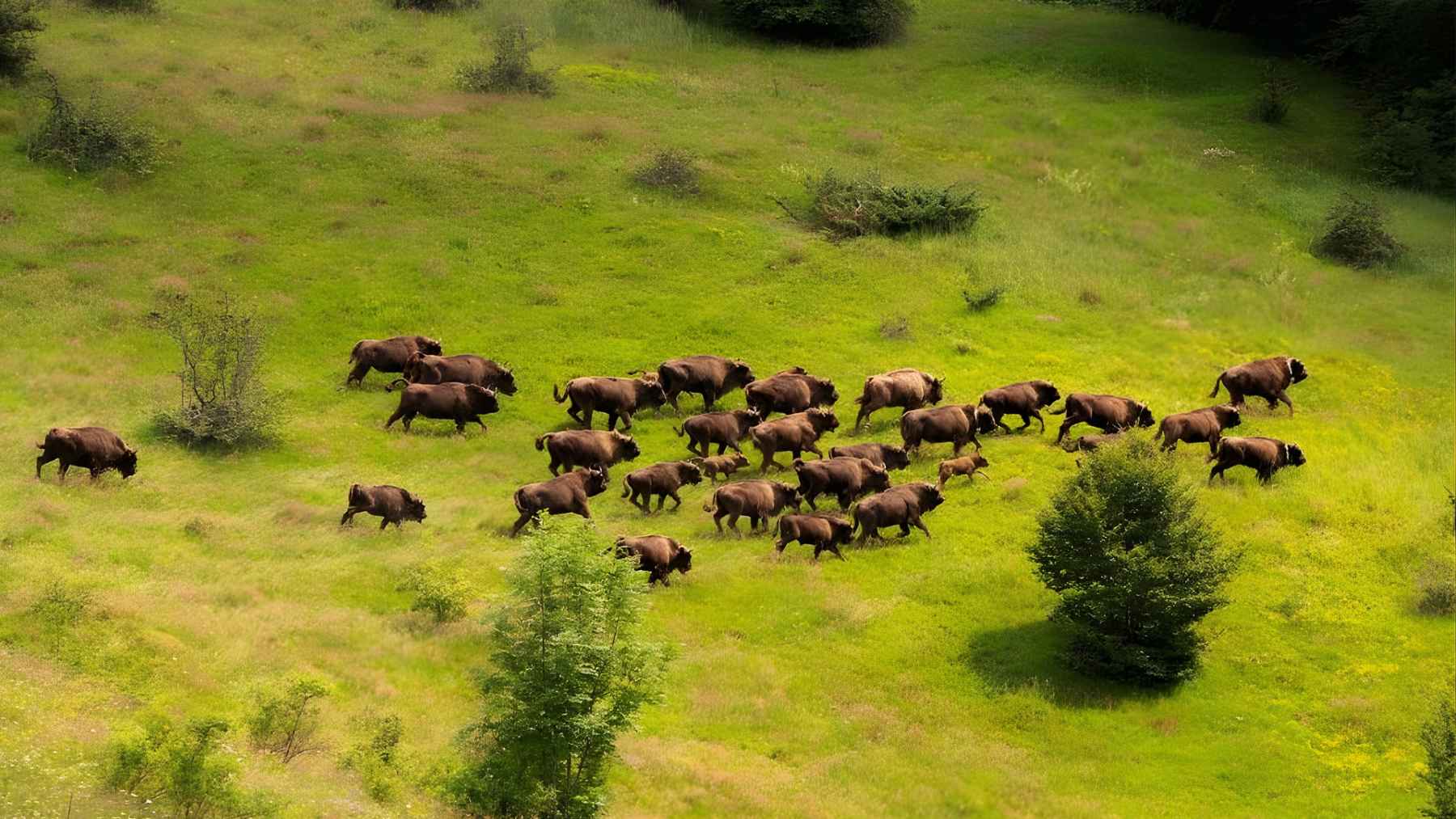
At the same time, the bison are drawing visitors willing to pay for guided tracking trips, local food and rural lodging. Conservation groups see this nature-based tourism as a way to help villages earn money from keeping the landscape wild, not just from logging or intensive grazing.
For many young people in the region, guiding or working in small tourism businesses already offers an alternative to leaving for big cities.
A template for restoring Europe’s lost ecosystems
Across Europe, the disappearance of large herbivores over the past two centuries has left many ecosystems unbalanced. Forests have spread into former meadows, and some soils have lost their natural mix of grasses and herbs.
The Tarcu herd is now being watched closely as a real world test of whether reintroducing big grazers can reverse some of that damage.
Scientists and conservationists use the area as an outdoor laboratory, combining data on vegetation, wildlife and carbon storage with interviews in nearby villages. WWF Romania reports more than 200 bison now living in the Tarcu range and over 350 nationwide, and rangers are collecting genetic samples to see how healthy and diverse the population is.
The hope is that lessons learned here can be applied to other corners of the continent where big animals vanished long ago.
For the most part, the early results suggest that carefully planned rewilding can boost biodiversity, store more carbon and even support local economies, as long as people are involved from the start and their concerns are taken seriously.
The challenge now is to scale up these ideas without ignoring the messy realities of daily life in mountain communities.
The main study has been published by the Global Rewilding Alliance on its official website.