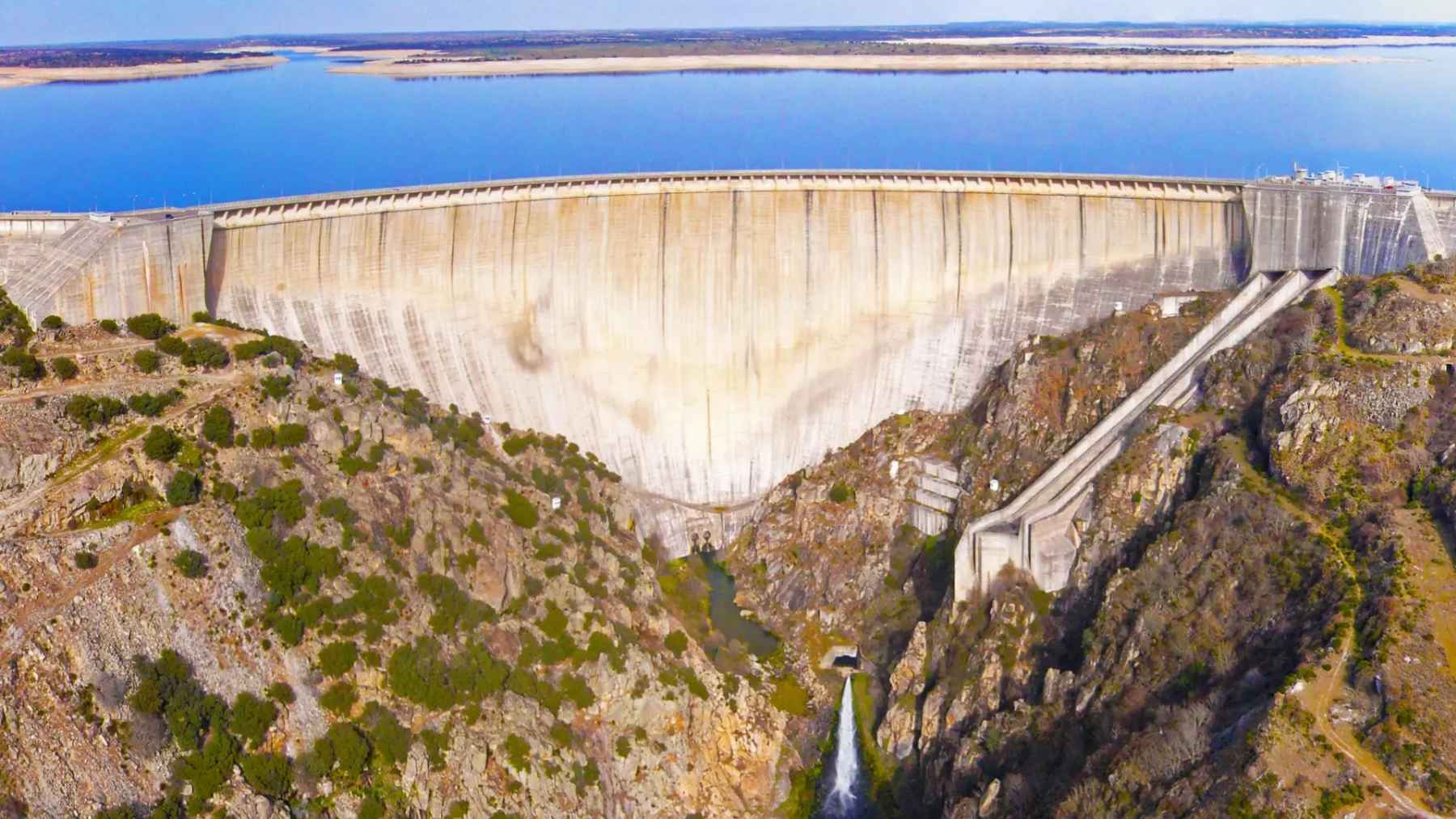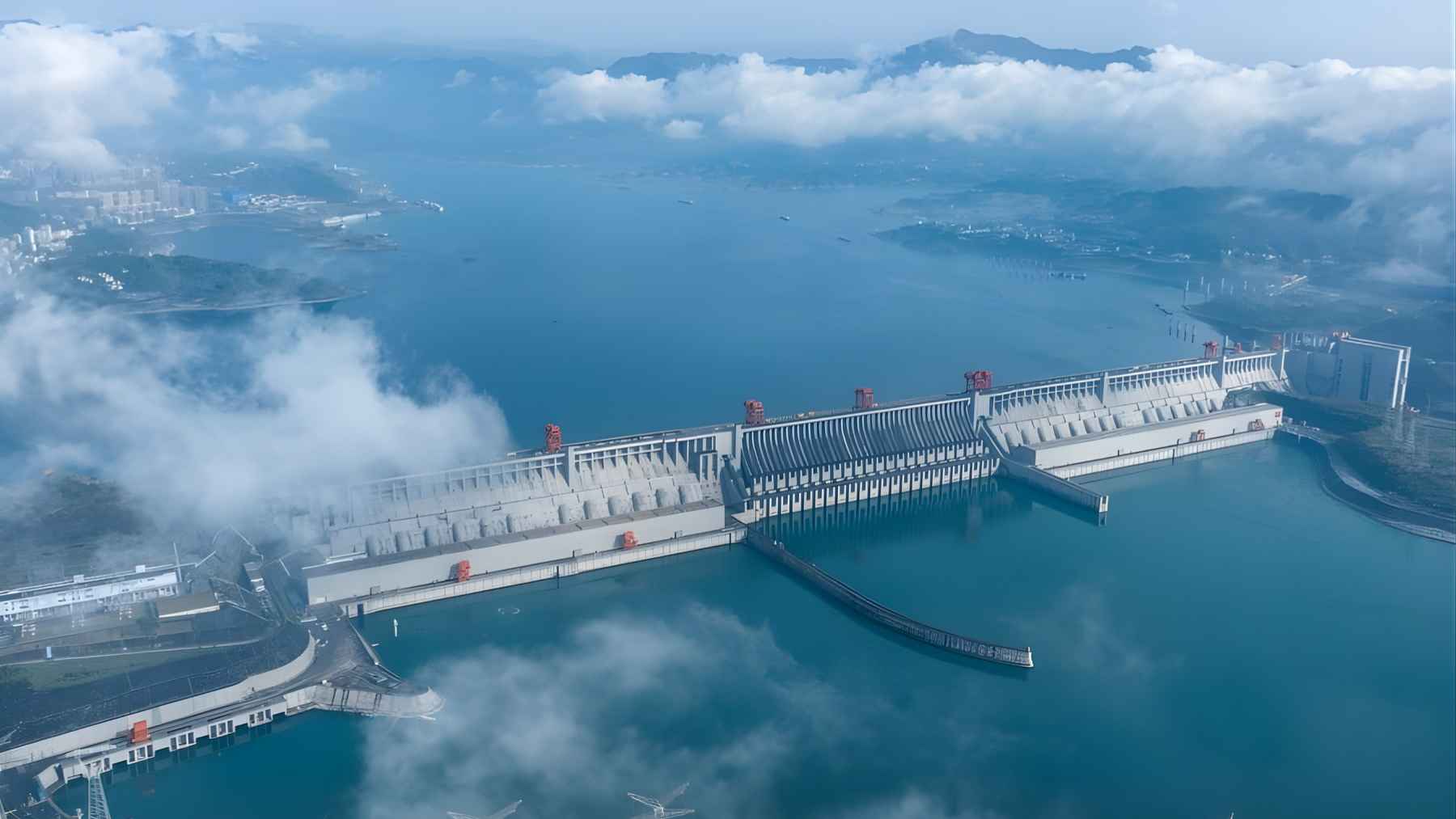
One giant dam has already nudged the way our planet turns. When the enormous Three Gorges Dam reservoir in China filled with tens of billions of tons of water, NASA calculations showed that the extra mass made each day about 0.06 microseconds longer and shifted Earth’s rotation axis by roughly 2 centimeters.
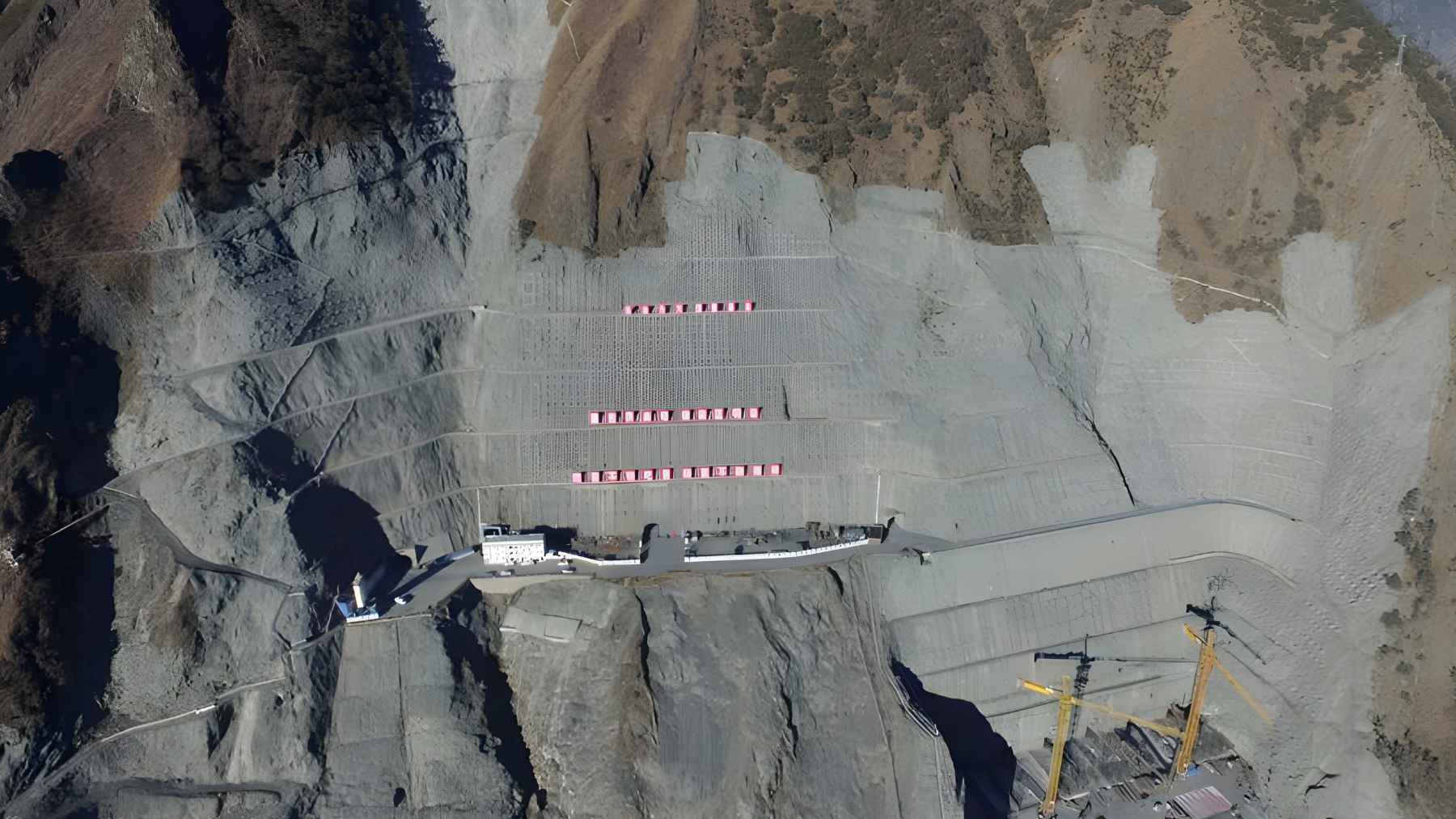
Now Beijing is moving ahead with an even more ambitious project on the Tibetan Plateau. A new hydropower complex planned for Medog County in Tibet is expected to become the largest dam system on the planet, with an annual output roughly three times that of Three Gorges and a price tag of around 1.2 trillion yuan.
Chinese premier Li Qiang has already described it as a “project of the century” that could reshape global clean energy supply.
How a giant reservoir can slow the planet’s spin
In 2005, scientists at NASA Jet Propulsion Laboratory modeled what would happen if the Three Gorges reservoir reached full capacity. Their conclusion was striking even if the numbers were small. The stored water would lengthen the day by about sixty billionths of a second and move the rotational pole by about two centimeters.
To explain it, NASA geophysicist Benjamin Fong Chao used a simple idea familiar from figure skating. When mass shifts farther from the spin axis, rotation slows slightly, just as a skater who extends their arms turns more slowly. “Any worldly event that involves the movement of mass affects the Earth’s rotation,” he said, noting that the effect from one dam is tiny but measurable with modern instruments.
Inside the Medog megadam on the Yarlung Tsangpo
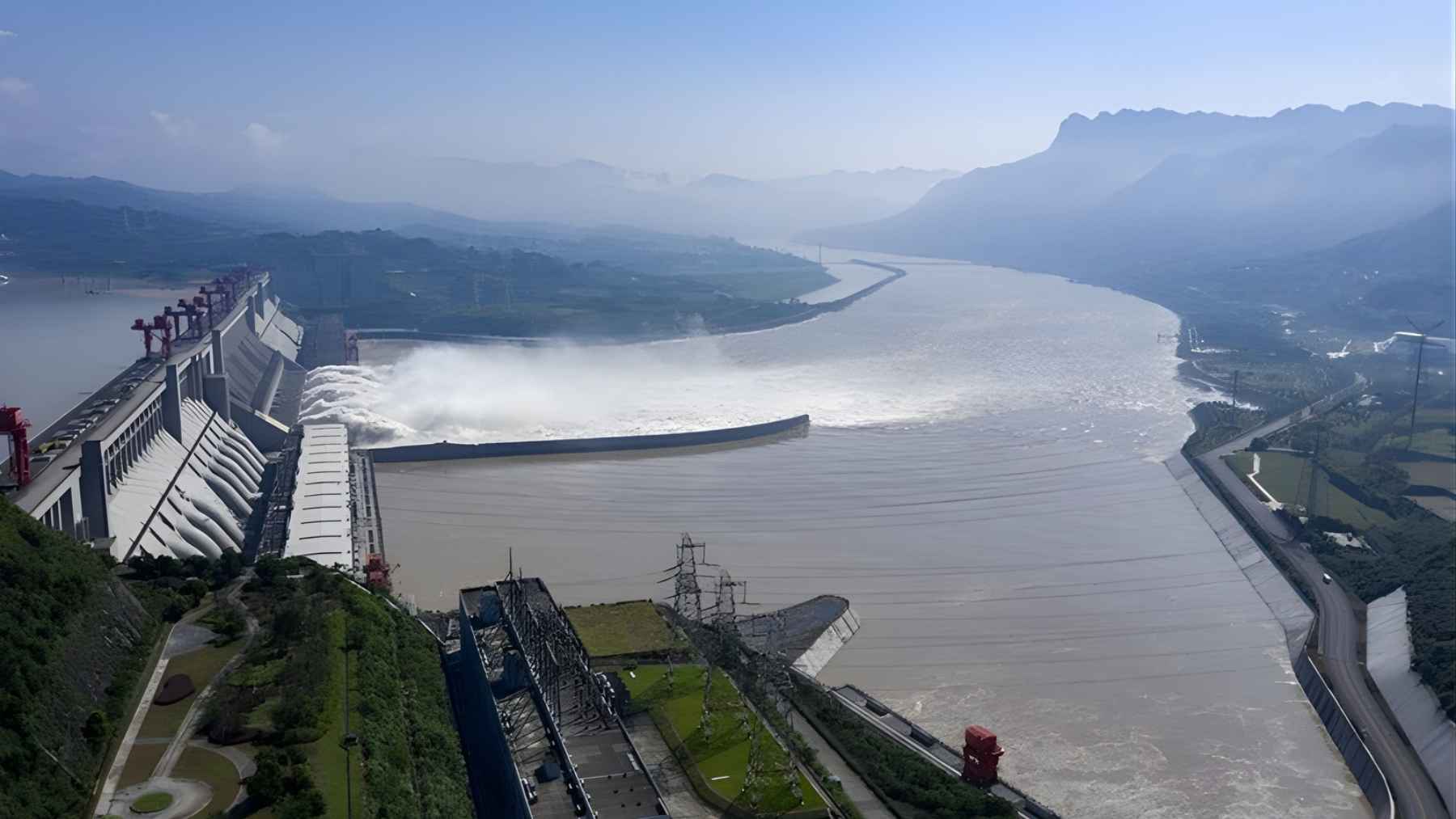
The new complex, known as the Medog Hydropower Station, is being built on the lower reaches of the Yarlung Tsangpo River. Here the river drops about 2,000 meters in only 50 kilometers as it cuts through one of the deepest canyons on Earth, a natural staircase that engineers see as a vast source of energy.
Plans call for five hydropower stations in cascade, together generating about 300 billion kilowatt hours of electricity each year, roughly triple the output of Three Gorges and similar to the annual power use of the United Kingdom.
That is enough to keep hundreds of millions of homes, factories, and data centers running, and to a large extent it could help China cut coal use and keep electric bills more predictable.
Could the Tibet project shift Earth’s rotation again
So far, no detailed public study has estimated how much the Medog reservoirs might alter Earth’s spin. Scientists expect any change in day length to remain extremely small, because even a record breaking dam stores only a fraction of the planet’s total water. For most people, that means no noticeable difference in sunrise, sunset, or calendar time.
At the same time, researchers are paying closer attention to these subtle effects. A recent study from Harvard University showed that the combined water stored behind nearly seven thousand dams since the 19th century shifted the position of the North Pole by about a meter and slightly lowered global sea level.
The work, published with support from the American Geophysical Union, suggests that megaprojects like Medog are now part of the story of how Earth itself moves.
Rivers, neighbors, and a fragile mountain region
Physics is only part of the debate. The Yarlung Tsangpo flows out of Tibet into India, where it is known as the Brahmaputra River, and then into Bangladesh. Farmers there depend on its waters for rice fields, drinking supplies, and existing hydropower, so any major upstream project naturally raises fears about droughts, floods, or changes in nutrient rich sediment.
Environmental groups also warn that the gorge sits in a seismically active, landslide prone region where storing such vast amounts of water could amplify risks. Beijing argues that the design will keep most of the flow moving through and that strict safeguards will protect ecosystems, while delivering clean power and jobs to a remote part of China.
At the end of the day, what the project is trying to do is balance climate goals, regional development, and cross border water politics, and that is a tough equation.
For the most part, the tug of an extra reservoir on Earth’s spin will stay in the realm of high-precision geodesy and satellite navigation, not everyday life. The bigger question is whether societies can agree on how to use rivers that now double as planetary-scale levers.
The main work on the rotational effects of the Three Gorges reservoir has been published in NASA’s Jet Propulsion Laboratory news release.