When people think of solar energy, the picture hasn’t really changed in decades: dark, heavy panels stacked on rooftops. Useful? Sure. Attractive? Not at all. For years, that was the deal we made — clean energy in exchange for clunky design. But the tradeoff is ending. Solar is stepping into a new phase, where function and form finally meet. Imagine walking past a building wrapped in golden glass, or a tower shimmering in deep blue, and realizing it’s quietly producing electricity the whole time. The future isn’t waiting for us. It’s already showing up on city streets.
The future of solar energy won’t shine in black — it will hide in plain sight
For a long time, architects and engineers have grappled with the dilemma of integrating solar energy into urban projects without compromising aesthetics. And let’s face it, it’s not easy to transform a black block into a harmonious element of a historic building or a futuristic skyscraper… But that reality is changing. Now, the photovoltaic sector has realized that, to gain a permanent presence in cities, it’s not enough to be efficient; it’s necessary to be beautiful, adaptable, and nearly invisible. It’s precisely at this point that an innovation has emerged that promises to say goodbye to black rectangles.
Its name? Colored solar glass. This technology, originally developed at the prestigious EPFL Lausanne, was recently acquired and repositioned by G-neration Energy AG in Switzerland. More than a brand, it’s a milestone, as it will transform glass into an energy-generating element without losing transparency, elegance, and, of course, power. And yes, beauty may be what catches the eye first, but the impact goes far beyond that:
- True architectural integration.
- Superior energy efficiency.
- Unique technology.
When glass stops being just glass and becomes the city’s new power source
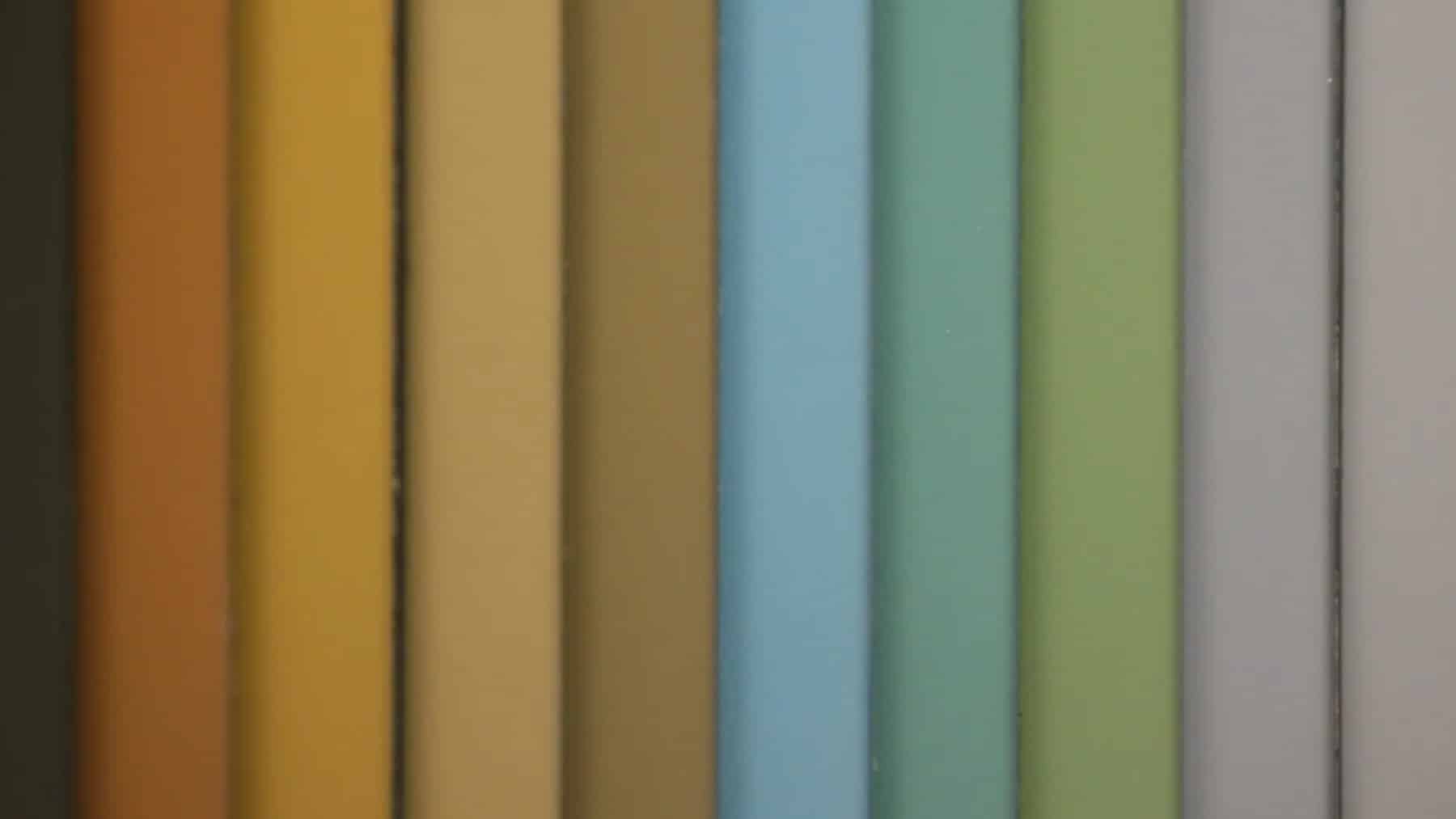
You’ve seen colored glass in buildings, right? But what sets this new material apart is that the color doesn’t depend on pigments. Instead, a nanotechnology process alters how light interacts with the glass. The result is vibrant surfaces that let between 82% and 89% of light through, depending on the color chosen. It’s that small technical detail.
And it’s not just a lab prototype. Mass production is already planned: G-neration Energy expects to manufacture up to 400 m² of safety glass and 500 m² of tempered glass per week, in giant 3.21 x 6.00 meter sheets. There are ten color options (also reminiscent of the colorful solar panels that have just arrived in the Americas), which can be delivered raw or custom-cut for specific projects.
Decentralizing the future
Another relevant point is its expansion strategy. Unlike the former Kromatix SA, which produced complete modules, G-neration Energy decided to focus solely on supplying colored glass. The logic is simple: decentralize. This means that, where it’s not feasible to ship the sheets (due to cost or logistics), the company will license foreign manufacturers to produce the glass locally.
In practice, some players are already using the material. In Switzerland, 3S Swiss Solar Solutions AG processes the glass into solar modules and successfully markets them. The expectation is that, as more licenses are signed, other regions in Europe and around the world will follow suit. This only reinforces that Colored Solar Glass is not just a technology, but a cultural shift. So, goodbye to those dull black rectangles. Colored solar glass is more than technology — it’s a cultural shift. It proves sustainability doesn’t have to look boring, and design doesn’t have to come at the cost of efficiency. Another example of this is the floating solar plant, which mimics island architecture.
Disclaimer: Our coverage of events affecting companies is purely informative and descriptive. Under no circumstances does it seek to promote an opinion or create a trend, nor can it be taken as investment advice or a recommendation of any kind.