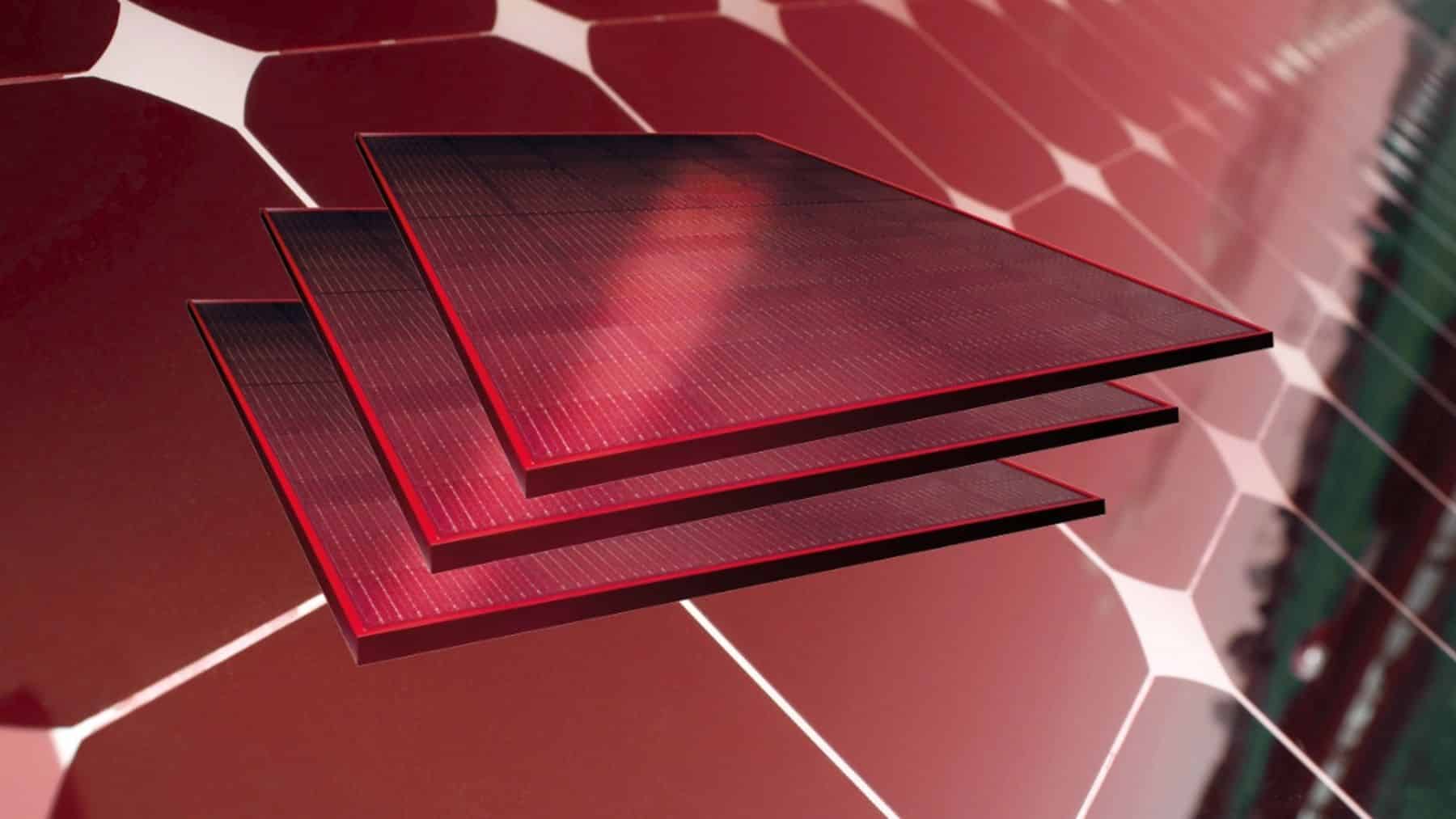
The focus has not fully drifted away from photovoltaic (PV) innovation, and for this reason alone, colorful solar panels may finally be making their way to America. Thanks to work by FuturaSun, this creative European solar panel manufacturer will bring the Silk® Colour and Silk® Pro solar panel lines to the American market. The solar panels feature an array of eye-catching colors such as red, orange, green, and silver, but it’s not the vivid colors that make these panels something to ride home about. Rather, it is the energy output that they produce that makes these panels so appealing. Geared for performance, these colorful panels are taking Europe by storm, and now America is looking at bringing colorful panels home.
Colourful panels deliver unexpected performance
Part of the Silk® series are these FuturaSun solar panels that are more noteworthy due to their monocrystalline N-type half-cut cell technology. Offering 410 Wp of power and being able to perform even in trying conditions, these colourful panels are quite the contender for the more traditionally relied-on panels.
Putting an end to all doubts as to whether something aesthetically pleasing can be powerful, these panels are attractively available in a variety of color options, including:
- Silk® Nova Red – 370 Wp
- Silk® Nova Green – 390 Wp
- Silk® Nova Orange and Orange Duetto – up to 400 Wp
- Silk® Nova Green Duetto – 400–410 Wp
- Silk® Nova Silver – 390 Wp
While looking attractive, FuturaSun colourful panels produced outputs of 230 to 295 Wp. These colorful panels feature PERC multi-busbar half-cut cells, best for sloped roofs or tiled buildings. The aspect that makes these panels more powerful is the two independent electrical sections devoted to improving performance even during partial shading.
A modern and historical look and feel
While blue, green, or even turquoise panels were designed by Solaris, these colored panels have been designed not only to be colorful but to fit the modern urban setting and to offer a solar solution to more historic buildings. In Europe alone, these historic panels are displayed across historic city centers that prohibited black modules.
Being customizable frame colors, the panels can be available in black and aluminum too, to match the panel edges with the surrounding materials. Such panels tend to work well and look good even:
- When used for heritage buildings
- When incorporated on rooflines with traditional tiles
- When used for ultra-modern commercial buildings
The panels that fit any building type also received acclaim during the Archiproduct Design Award for innovation and were featured at the World Design Cities Conference in Shanghai. The company behind the panels received recognition for being a Top Brand PV in Austria (2023) and Italy (2024) by EUPD Research.
When will these colorful panels be coming to the U.S.?
If the color factor was not an attractive selling point, the fact that these panels were meant to last might make them all the more attractive. Every Silk® model comes with a 15-year product warranty along with a 25-year performance guarantee. Specifically, the glass Duetto models, available in green and orange, prove to be able to resist any type of environmental wear, increasing their operational lifespan.
Another attractive feature is that FuturaSun’s panels are created in Taizhou, China, and have a production capacity of 1 GW per year. This company was developed back in 2008 in Italy’s photovoltaic hub in Veneto and is expanding its reach to the American market, which is also open to colorful panels. U.S. buyers who are interested in these colorful panels can contact the company directly or reach out to one of the representatives, either Marina Schievano or Ricarda Gutsch.
Perhaps these colorful panels making an appearance in America are the start of a whole new solar innovation chapter. A chapter that writes about colorful panels that look good while promising performance.