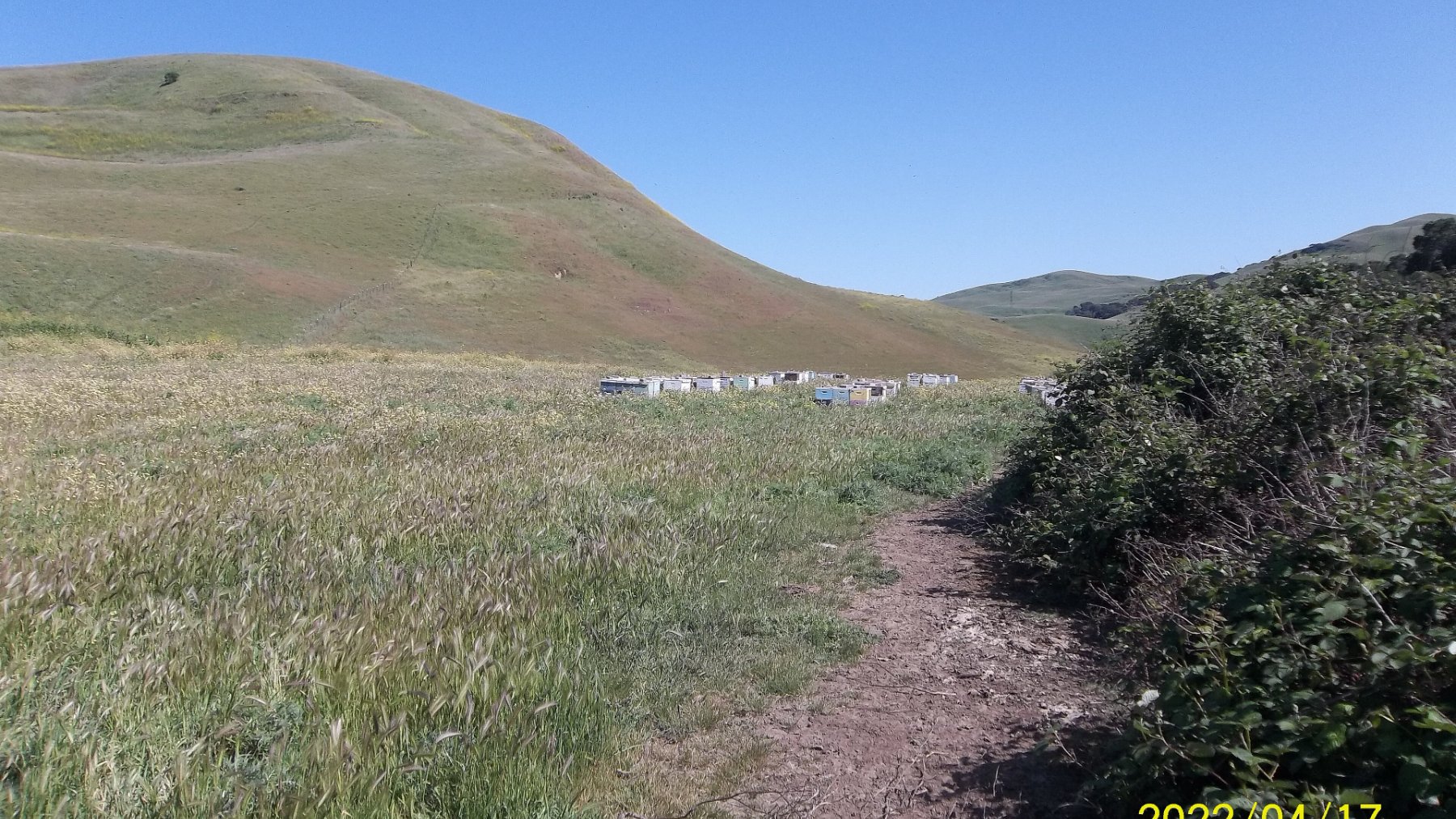
At Big Plain Solar in Madison County, Ohio, utility-scale solar panels now share the land with more than 50 beehives and nearly 3 million honey bees. What could have remained an expanse of routinely mowed ground has become a working pollinator landscape, adding another purpose to a site built to generate electricity.
There is an important distinction behind the headline, though. Some accounts describe solar plant employees becoming certified beekeepers, while Leeward Renewable Energy’s own material identifies veteran-led apiaries and a program that trains veterans and first responders, not its plant workforce. The verified story is still striking because one piece of land is supporting clean power, flowering habitat, and a new mission for people who have served their communities.
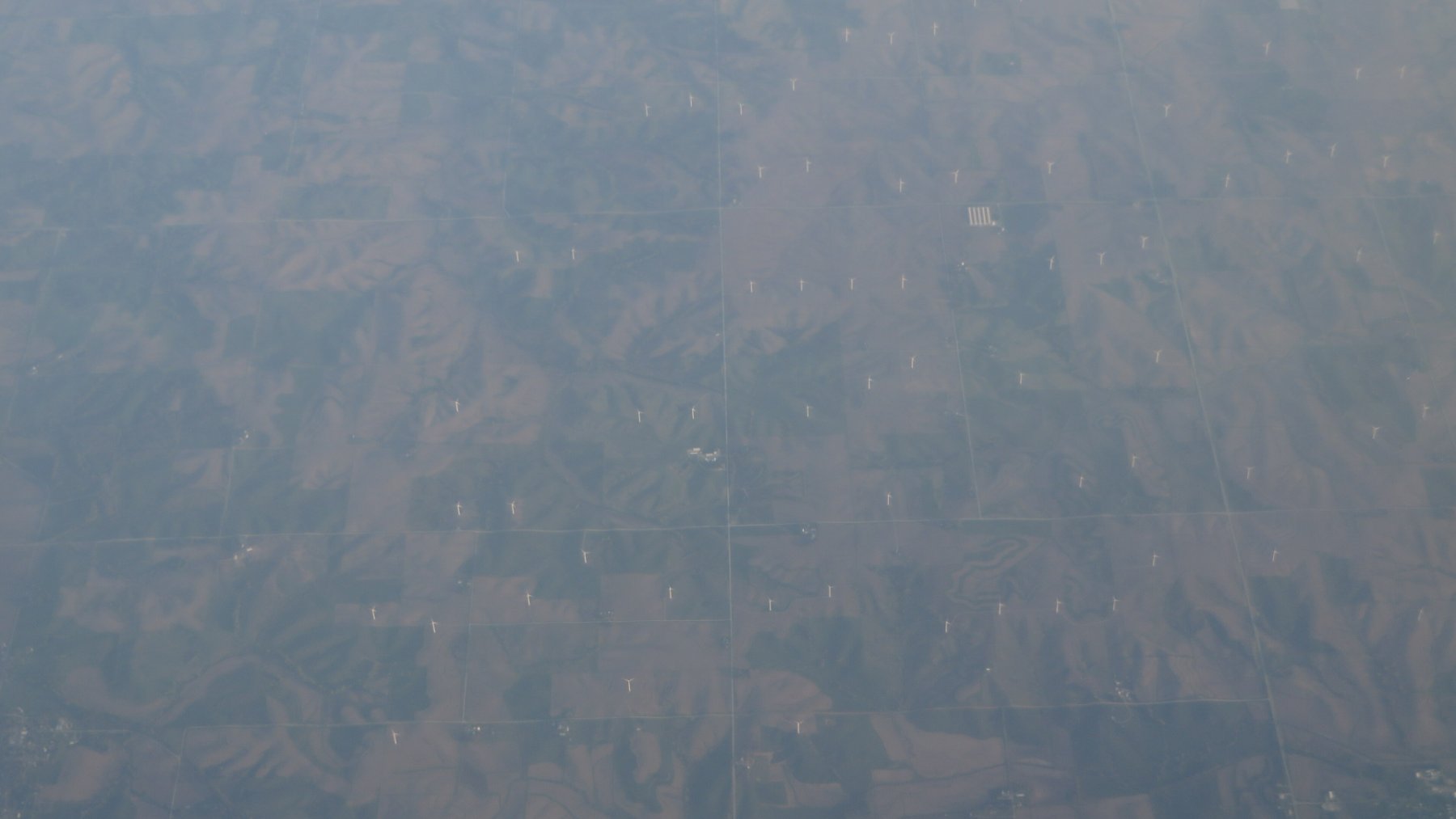
A 196-megawatt solar site with room for flowers
Leeward Renewable Energy announced Big Plain Solar as a 196-megawatt project near London, Ohio, with a soil health monitoring program and a planned 70-acre pollinator habitat. That land strategy matters because the space beneath and around solar panels does not have to function as an ecological blank spot.
Low-growing native plants can survive under solar arrays without shading the equipment, according to the U.S. Department of Energy. They can also reduce the need for repeated mowing and herbicide use over time, which may lower maintenance costs. Anyone who has pushed a mower around a fence knows that tight spaces are awkward, and a utility-scale solar site magnifies that problem.
Why 50 hives and 3 million bees matter
LRE reported in May 2026 that Big Plain Solar supports more than 50 hives and about 3 million bees. Veteran beekeepers connected to Frontline Hives and a veteran-led apiary operation manage the colonies while the surrounding flowering habitat provides forage near the panels.
The numbers sound dramatic, but the broader value lies in pollination. The U.S. Department of Agriculture says honey bees pollinate about $15 billion worth of American crops each year, including more than 130 kinds of fruits, nuts, and vegetables. Honey bees are managed, nonnative pollinators in the United States, so the flowers and habitat surrounding the hives remain just as important as the colonies themselves.
The people behind the hives
The project’s human story centers on Ohio Air National Guard veteran Travis Snyder. LRE says Snyder began keeping bees with his daughter, later built an apiary business that placed colonies at solar farms, and helped form Frontline Hives in 2024 to introduce veterans and first responders to beekeeping.
Frontline Hives offers a free six-week course in basic hive care and provides graduates with a furnished hive and bees, according to LRE. By September 2025, the organization had trained more than 50 veterans and first responders with financial support from the LRE Foundation. Snyder described the personal impact plainly when he said, “The bees changed my life.”
What the bees actually teach
One account of the project describes hands-on instruction tied to seasonal hive behavior. Trainees reportedly learned to watch queen health, read signals from worker bees, follow comb construction, and interpret small changes that can reveal whether a colony is thriving or under stress.
However, those specific lessons and claims about solar employees earning formal certifications do not appear in LRE’s current public accounts. What the official material does confirm is that trained veteran beekeepers manage the Big Plain colonies and use beekeeping to create opportunities for other veterans and first responders. That difference is worth keeping clear.
Solar power and land stewardship can reinforce each other
Big Plain belongs to a wider field known as agrivoltaics, which combines solar generation with another productive use of the same land. Depending on the location, that second use might involve pollinator habitat, beekeeping, crops, or grazing animals such as sheep.
The Department of Energy says pollinator-friendly solar can benefit nearby farms and reduce some long-term vegetation management costs. Still, success is not automatic. Plant selection, water availability, pesticide practices, hive health, electrical safety, and local ecological conditions all need attention before a row of panels can become a healthy shared landscape.
A promising model that should not be oversold
Big Plain Solar shows how energy infrastructure can do more than send electricity to the grid. Its panels produce power, its flowering areas support pollinators, and its partnerships give veteran beekeepers a visible role in land stewardship. That is a more useful lesson than the catchy idea that millions of bees simply “work” for a solar farm.
The project does not prove that every solar facility should install dozens of honey bee colonies. It does show that thoughtful site planning can replace bare ground and constant mowing with a more productive system, provided operators work with experienced land managers and measure the results.
The latest official update was published by Leeward Renewable Energy.