For centuries, we have been told that North America and Europe are distinct continents, divided by the unbridgeable expanse of the Atlantic Ocean. But new research is shaking up that narrative. Now, a new study questions whether these continents ever completely split apart tens of millions of years ago, as scientists have long believed. Scientists have discovered indications that they might be connected below in more than one place, challenging our definition of continental borders.
The hidden past of Iceland: Is there a link between continents?
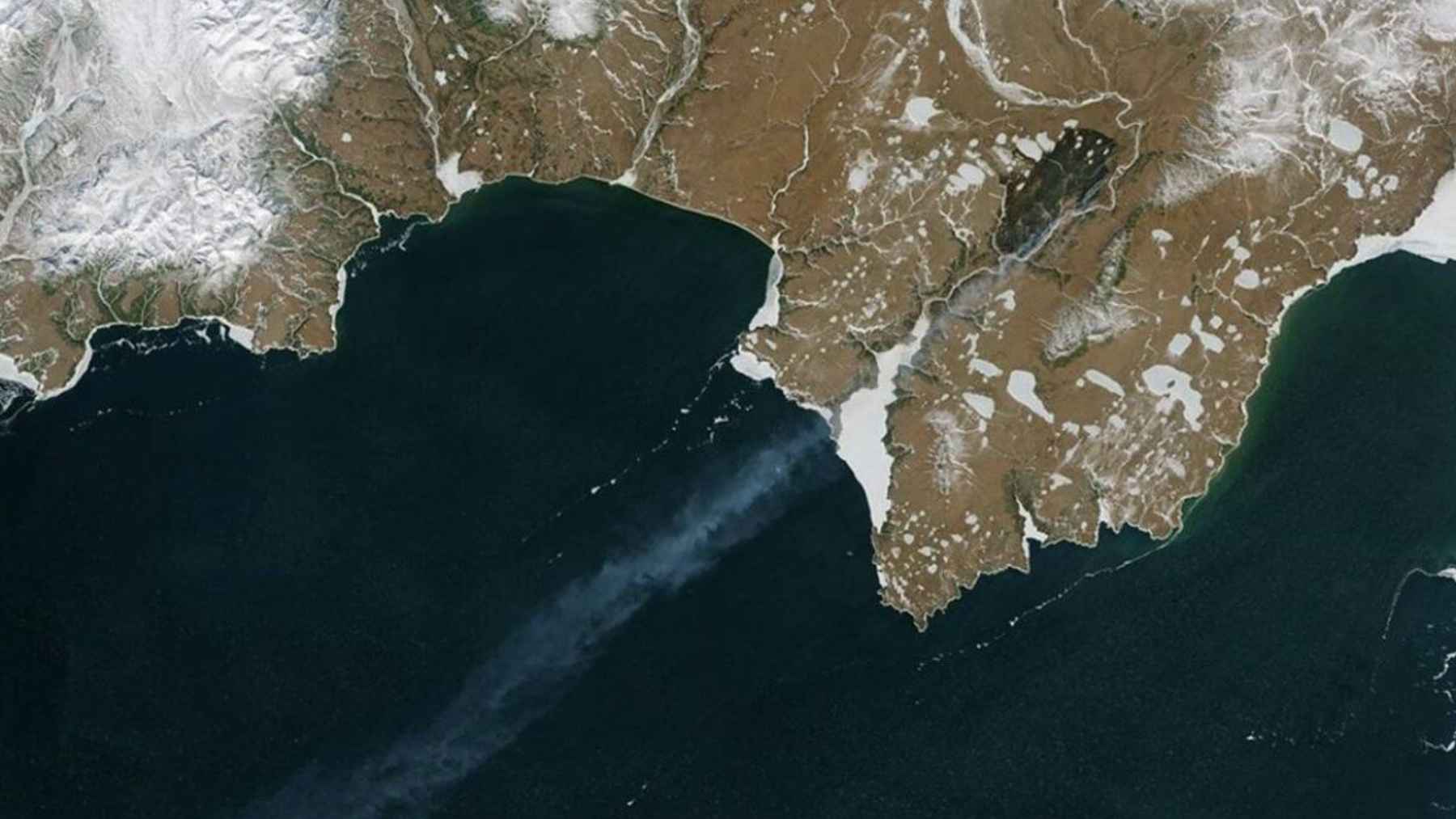
Now a team of researchers, led by Dr. Jordan Phethean from the University of Derby, has found clues that North America and Europe have not fully separated. Their study centers in Iceland, created approximately 60 million years ago by volcanoes that emerged along the mid-Atlantic ridge. Scientists long thought Iceland was created by a hot mantle plume rising from deep inside the Earth.
But emerging new data paints a more nuanced picture. Phethean’s team looked at the geological composition of Iceland and the surrounding Greenland-Iceland-Faroes Ridge (GIFR). Their analysis found that these areas include pieces of tectonic plates from North America and Eurasia.
That Iceland and those neighboring land-forms could be the remains of once larger continental crust, rather than islands formed from volcanic activity. Researchers coined the term Rifted Oceanic Magmatic Plateau (ROMP) to explain this phenomenon, an extraordinary geological formation that continues to influence land beneath the ocean.
A hidden micro-continent has been found between Canada & Greenland
Even stranger, researchers also found a micro-continent between Canada and Greenland. This submerged landmass, about the size of England, lies underneath the Davis Strait and is about 60 million years old. Scientists charted the outlines of this ancient landmass using seismic data and gravity measurements from satellites in space and found out that it may have been instrumental in moving tectonic plates.
This suggests that other remnants of North America could remain trapped beneath the ocean floor, continuing the debate that North America and Europe are still connected (like these two continents linked by the largest project in history), through geological fragments buried under the ocean.
If verified, it may indicate that the process of rifting, the separation of tectonic plates, is ongoing rather than a finished event from ages past. This finding upends the widely assumed view that the North American and Eurasian plates completely split apart 52 million years ago. Rather, the evidence suggests these plates are still on the move, stretching and shifting in ways that redefine how we think of continents.
Could the geothermal success of Iceland be replicated somewhere else
The implications of these findings go beyond reshaping continents. Knowing how Earth’s landmasses shift over time can inform endeavors like those in natural resource exploration, disaster preparedness, and sustainable energy solutions.
- Mining and Resource Discovery: A lot of useful minerals and fossil fuels are in areas where tectonic movements have changed terrain. By looking instead at these hidden land connections, scientists can better anticipate where such resources may be found in the future.
- Geological Hazards: Regions that experience active rifting are prone to geological hazards, such as earthquakes and volcanic eruptions. The researchers say when researchers can identify areas where tectonic plates are still moving, they can improve both monitoring efforts and disaster preparedness.
- Sustainable Energy: Iceland is already a world leader in geothermal energy, tapping into heat from the Earth’s crust to produce electricity. If similar geological properties are elsewhere, they could lead to more eco-friendly energy approaches around the globe.
If subsequent studies confirm these findings, it could lead to a rethinking of the way we delineate continents (such as these two continents which are linked by a photovoltaic mega-cable). Instead of considering North America and Europe as two separate land masses, scientists might start to view the two as still connected by geological structures lurking beneath the Atlantic.
This idea upends conventional geography and calls for a new understanding of the ever-shifting surface of the Earth. As technology improves and scientists further investigate Earth’s deep geological history, hidden connections well beneath our oceans may yet be discovered.