Australia has made history with its very ambitious SunCable project, which promises to change the face of renewable energy around the globe. It entails the export of solar energy towards Singapore via a 4,300 km underwater cable, marking Australia’s transition to sustainable power from fossil fuels.
Australia’s SunCable to send 6 GW green energy to Singapore
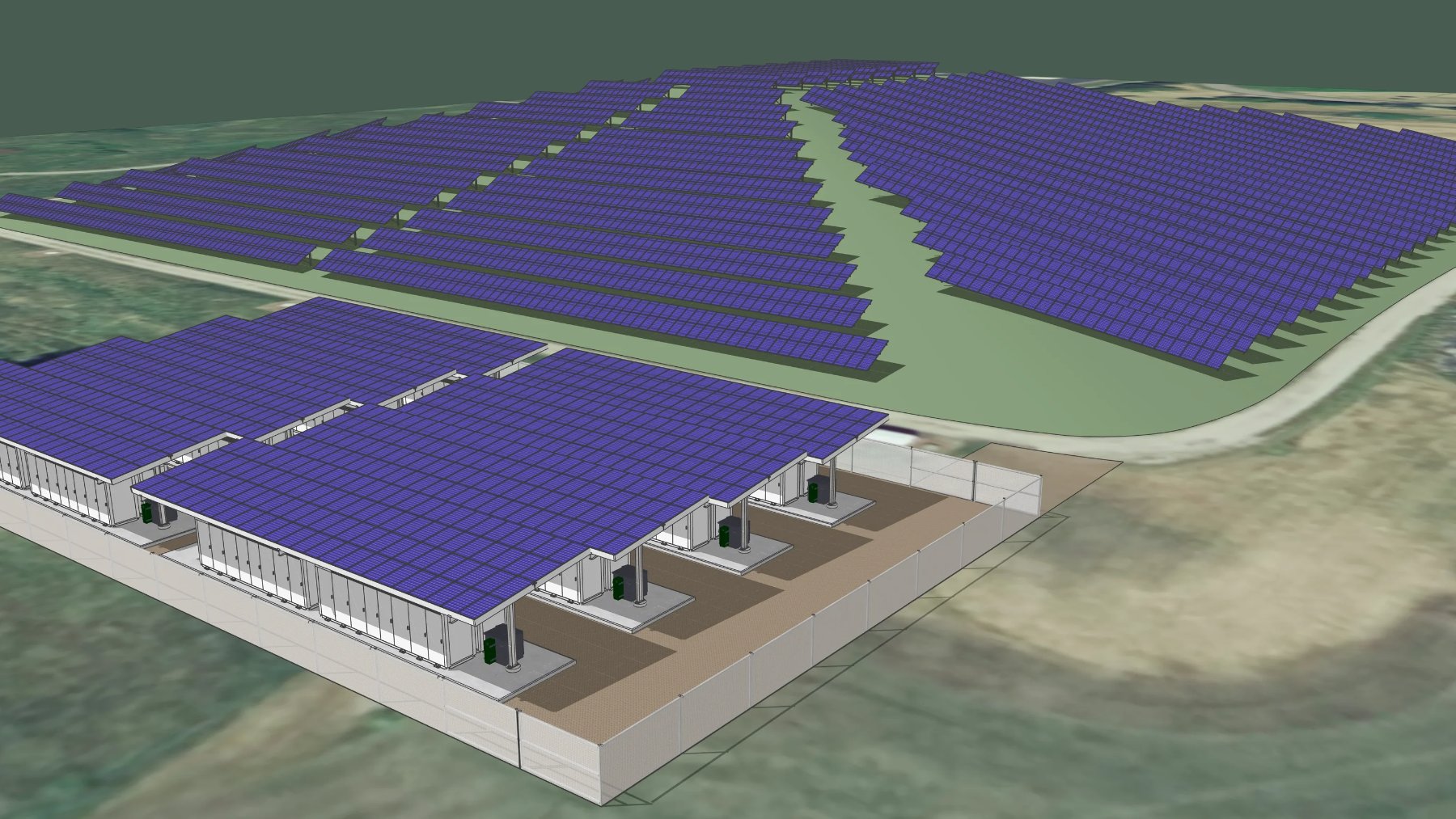
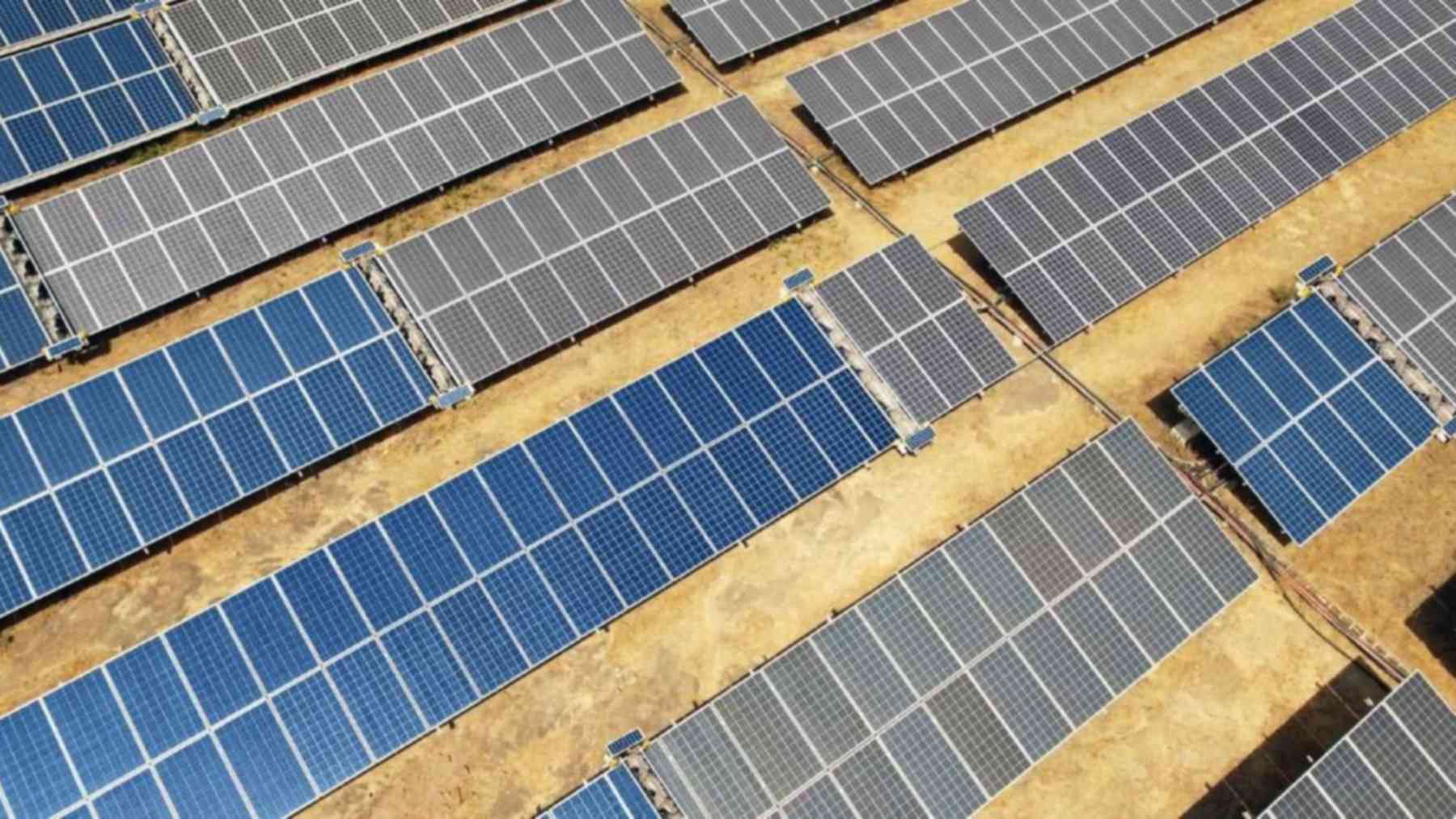
It is indeed very exciting development in renewable energy which is the SunCable project. At its heart is an intended most gigantic solar and battery park in the world, to be built near Tennant Creek in northern Australia, at an estimated cost of $35 billion.
This will supply green energy to Singapore, with the potential of contributing 6 GW towards 15% of its electricity needs, connected by the world’s longest underwater cable – a technological marvel six times the length of any existing cable.
With phase one focusing on construction of the solar and battery park and an 800 km connection to Darwin. Phase two will see the laying of the 4,300 km cable to Singapore, with the first electricity delivering early after 2035. All the while using Australia’s exceptionally high solar radiation – 40% higher than the rest of Southeast Asia – for round-the-clock delivery of green electricity.
Gas to Green: Singapore’s renewable energy aspirations
SunCable’s approval is a vital step by Singapore towards renewable energy. Presently, 95% of Singapore’s generated electricity comes via natural gas. By importing renewable 6 GW by the mid-2030s, the country aims for 30% of its energy demand to sustain itself.
The great advantage of these big energy retailers and big data centers in Singapore is that they will soon get this new source of energy supplied. Data centers are heavy consumers of electric energy for operations and cooling, and this should suit them very well.
This collaborative effort clearly indicates the growing inter-nation effort in innovation and investment for renewable energy infrastructure towards combating climate change (just like this photovoltaic ceramic which is 1000 times more powerful).
Renewable energy goals of Australia: Leading with caution and ambition
While the SunCable project indeed shows Australia is serious in becoming a world leader in renewable energy, it is also fraught with difficulties. Indeed, the adoption of environmental regulation in the country underlines the protection of a unique ecosystem such as an endangered bilby.
Green energy ambitions should entirely balance the reality of environmental conservation at sustainable progress. The approval meets Australia’s broader objectives of producing 82% of electricity from renewable sources by 2030.
This objective has even been consolidated by Prime Minister Anthony Albanese’s Solar SunShot project. It aims to reduce Australia’s dependence on imported solar panels and promote local manufacture of the same. With an allocation of 275 million Australian dollars by the federal government, the project is to create several thousands of jobs and strengthen the local renewable energy supply chain.
Billionaire Mike Cannon-Brookes is funding SunCable, and he offered a vote of confidence in Australia’s renewable potential by doing so. His efforts have also attracted sizable offshore investments to further position Australia as a key global player in the green energy market.
With coal already supplying 60% of Australia’s electricity in 2023, however, the date remains a tough one for the phase-out of fossil fuels. The SunCable project and allied initiatives will drastically change the historical energy story of Australia.
Now, taking itself to the next stage, utilizing its bounteous solar resources, Australia can lead the world into the renewable energy transition by working on innovations (like the first photovoltaic flower which you can have in your garden). Such an aspiration, however, calls for careful navigation through environmental, economic, and social factors.
As Australia takes this journey to transformation, the world watches and waits. SunCable will be a standard for sustainability and partnership, as well as for national and global energy demand, should it achieve its course. Quelle audacious step reaffirms Australia’s standing as a pioneer in the war against climate change, encouraging other nations to act.