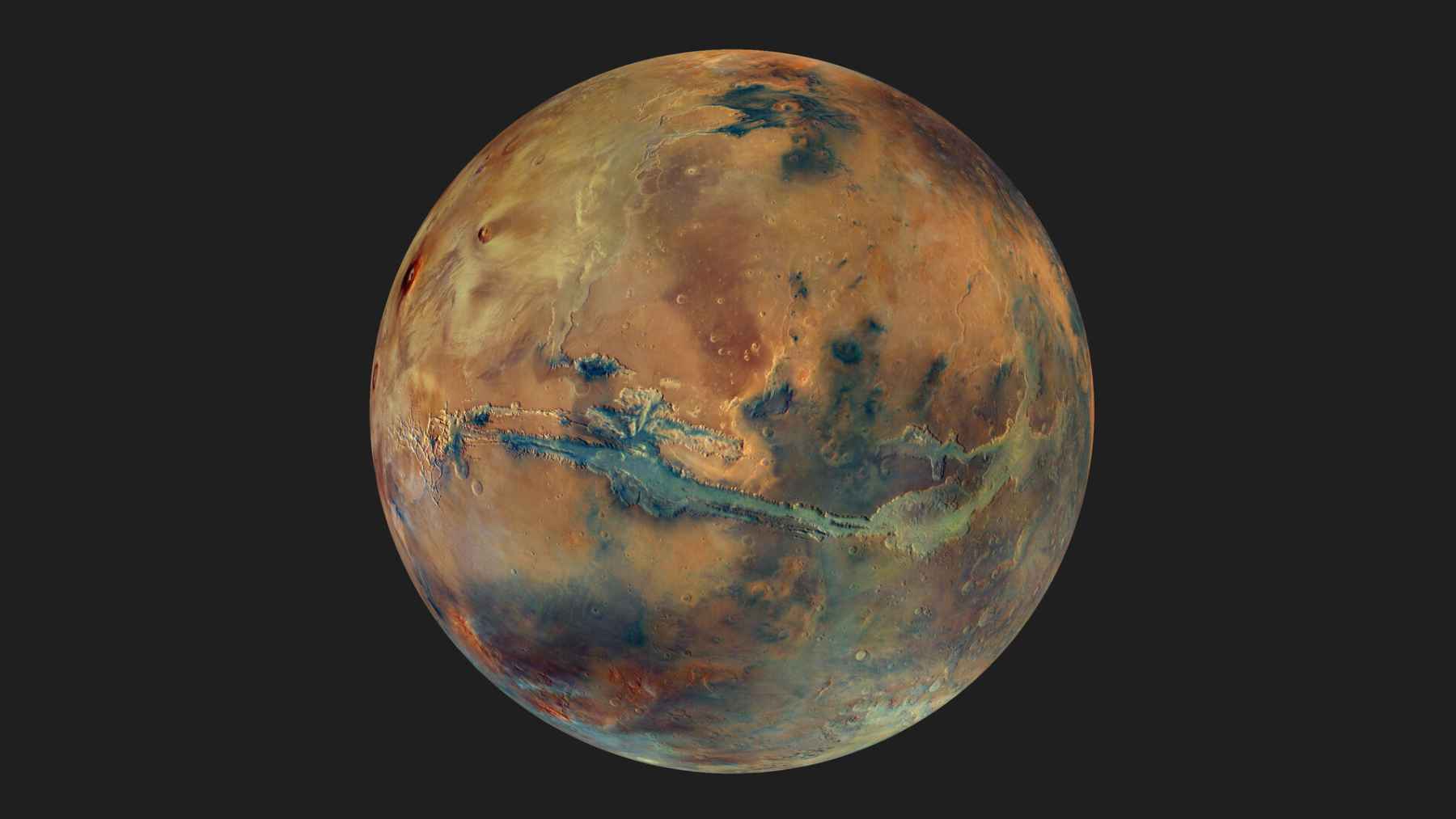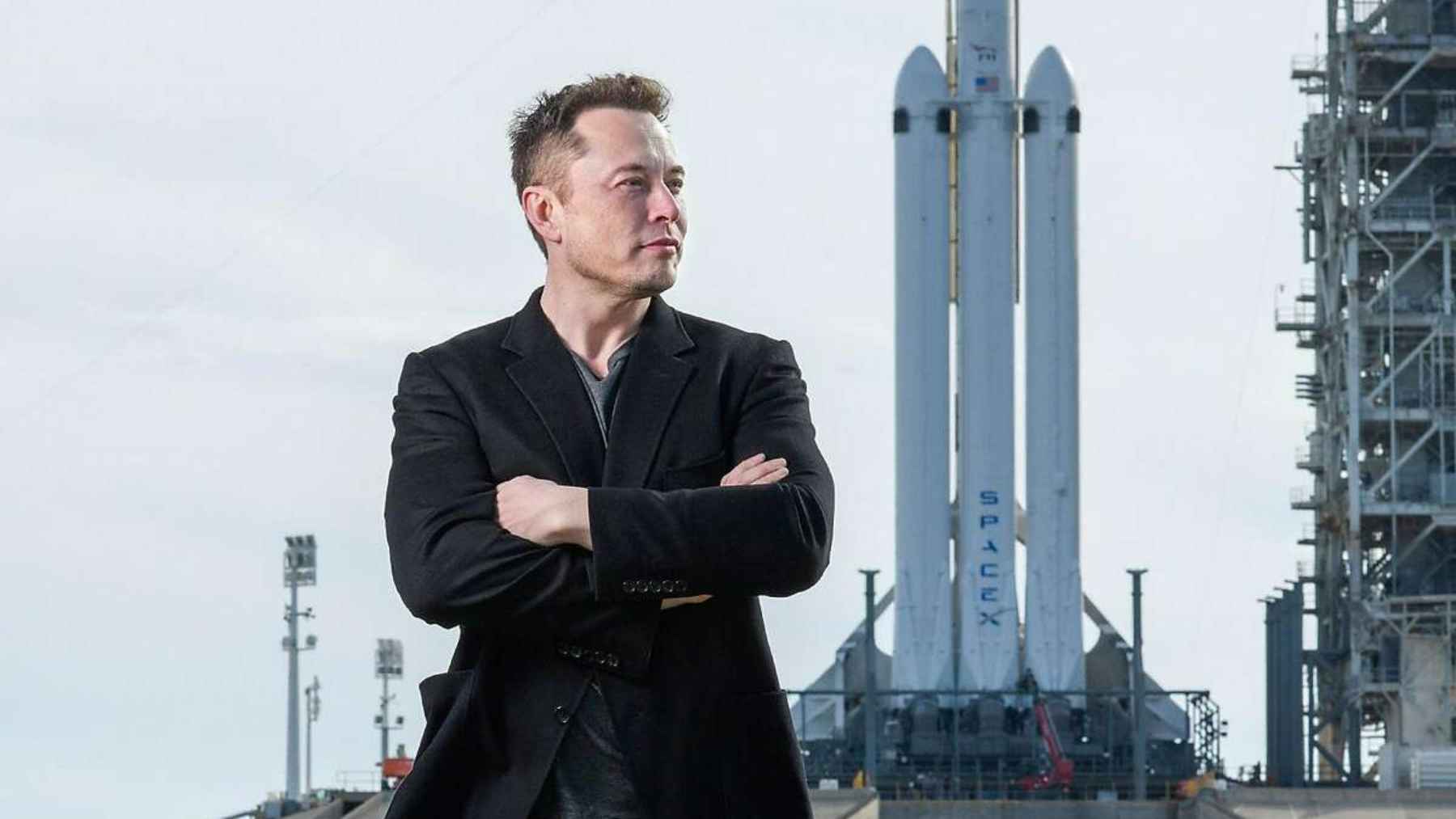
For years, Elon Musk said he wanted to be remembered as the person who took humans to Mars. Now he is telling investors and his followers that the near-term priority for SpaceX is something closer and quicker to reach, a “self-growing city” on the Moon. In his own words, “the overriding priority is securing the future of civilization and the Moon is faster.”
So what changed, and what does a lunar city have to do with climate, rockets and the air we all breathe?
Why the Moon is “faster” than Mars
Technically, the Moon is a much easier neighbor to practice on. Musk points out that crews can only leave for Mars when Earth and the red planet line up, roughly every twenty six months, and the trip itself takes about half a year. In contrast, launch windows to the Moon open about every ten days and the journey takes around two days.
Shorter trips mean more chances to test life support systems, habitats and recycling technologies without waiting years between tries. If something breaks on the Moon, an emergency return is measured in days. On Mars it would take months.
That faster iteration is why Musk now talks about finishing a Moon city in under ten years and pushing the start of a Mars settlement back at least five to seven years.
A new lunar race, backed by public money
The pivot also fits neatly into the plans of NASA. Under the Artemis program, NASA has already flown the uncrewed Artemis I mission and is targeting a crewed Artemis II loop around the Moon in 2026, followed by a surface landing later in the decade.
NASA chose a lunar lander version of Starship in 2021, in a fixed price contract of about $2.9 billion, putting SpaceX at the center of the first Artemis landing attempts. Rival company Blue Origin is developing its own lander after winning a separate award, and NASA has reopened parts of the contract as delays mount.
At the same time, SpaceX has absorbed Musk’s AI startup xAI, a move Reuters reports is meant to support plans for space-based data centers powered by abundant solar energy.
In other words, lunar business, big rockets and hungry AI models are being tied together.
Moon City as an extreme sustainability test
From an environmental angle, the idea of a Moon city is a paradox. Building it will require many heavy launches. A recent review in Science of the Total Environment notes that rockets emit carbon dioxide, water vapor and black carbon into the upper atmosphere, and warns that unchecked launch growth could clash with global net zero goals.
Work led by researchers at Columbia University suggests that black carbon from rockets can warm the stratosphere, let more water leak upward and contribute to ozone loss, especially over the poles.
Yet life on the Moon would demand almost perfect efficiency. There is no spare water to waste, no air to lose through leaks, no room for lazy energy use like leaving lights on all night. Agencies already test in situ resource utilization, turning lunar regolith and ice into oxygen, water, fuel and even metal powders for construction, so that not every kilogram has to be launched from Earth.
For engineers working on closed loop agriculture, advanced recycling and solar power storage, a lunar base could become the toughest possible laboratory. Some of those solutions might later trickle into everyday life, lowering electric bills or making drought-resistant farming more practical.
The Moon is not a blank slate
There is a catch. Space law scholars have been warning for years that the Moon itself has a fragile environment and a limited stock of accessible resources. A landmark 2015 paper in Space Policy argued that sustainability should sit at the heart of any lunar activity and questioned whether large-scale commercial mining would ever be both profitable and environmentally acceptable.
So while Musk frames his lunar city as an insurance policy for civilization, the risk is that humanity exports its bad habits along with its solar panels. At the end of the day, no outpost in the sky can replace the urgent work of cutting emissions on Earth, protecting forests and oceans, and dealing with that sticky summer heat in the cities we already have.
The official statement was published on X.