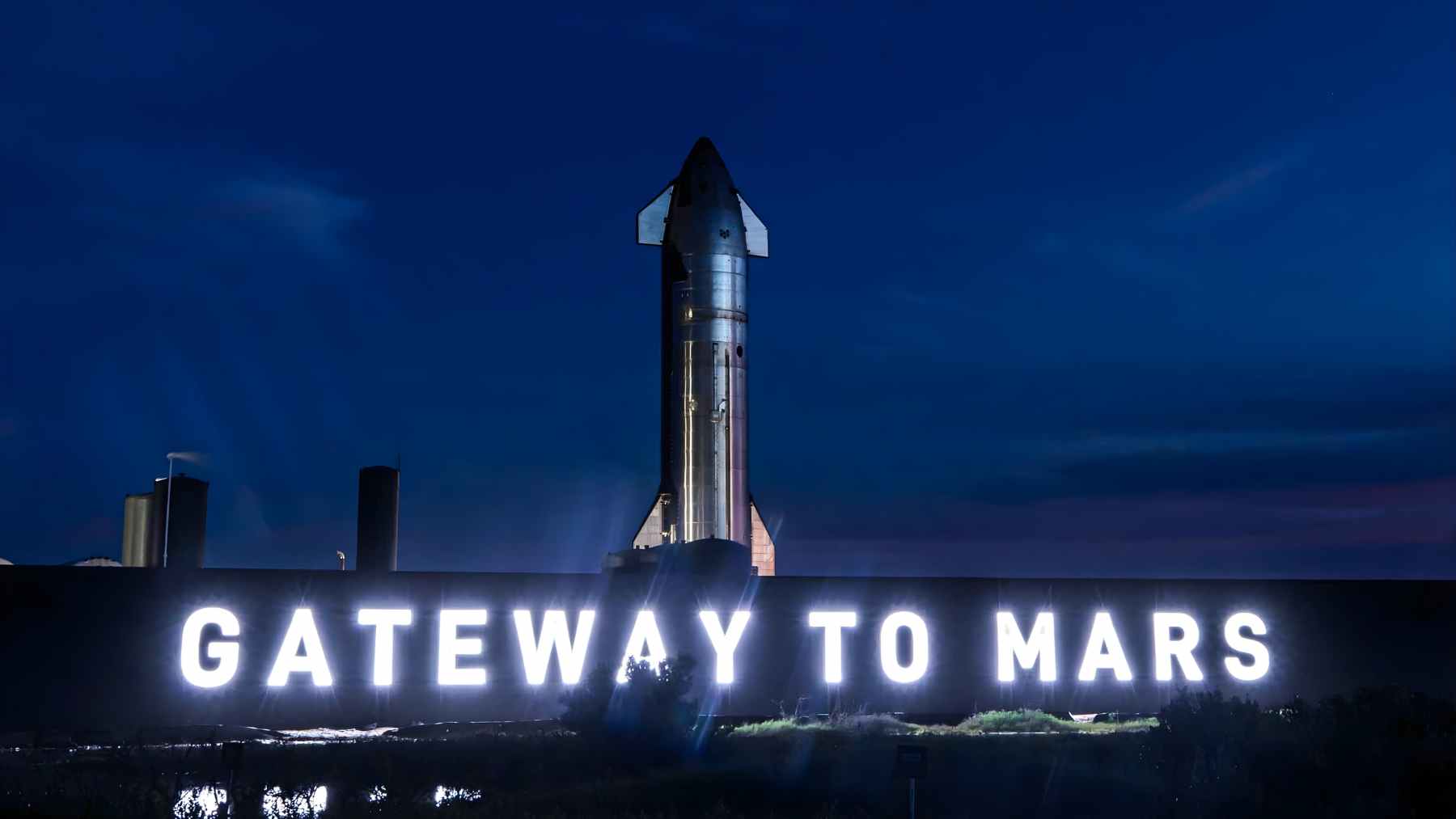
At the entrance to Starbase in south Texas, a glowing sign now welcomes visitors with the words “Gateway to Mars.” The display sits in front of SpaceX facilities where giant Starship rockets are being assembled with one bold purpose in mind: Elon Musk wants to build a self-sustaining city on Mars.
In recent years he has begun to put numbers on that dream. Musk has repeatedly said that building the first sustainable city on Mars would require around 1,000 Starship rockets and roughly 20 years of launch campaigns, moving up to 100,000 people per favorable Earth-Mars alignment and eventually reaching about one million settlers plus millions of tons of cargo.
It sounds like science fiction with a project plan. Yet the language he uses, “sustainable city,” is very familiar to climate and energy experts here on Earth. So what does sustainability really mean on a frozen, air-thin world and how does that huge effort interact with the environmental crisis on our own planet?
Starship numbers in everyday terms
Long before the first stainless-steel prototype rose from the Texas coast, Musk was already arguing that humanity should become “multi planetary” to survive possible catastrophes on Earth. Starship is his chosen tool for that job.
The vehicle is a fully reusable, super heavy lift rocket designed to carry on the order of 100 to 150 metric tons of cargo to low Earth orbit before refueling and heading to deep space. Musk has talked about building Starships quickly, flying them many times per year and using each Mars launch window, which opens about every 26 months, to send large fleets toward the red planet.
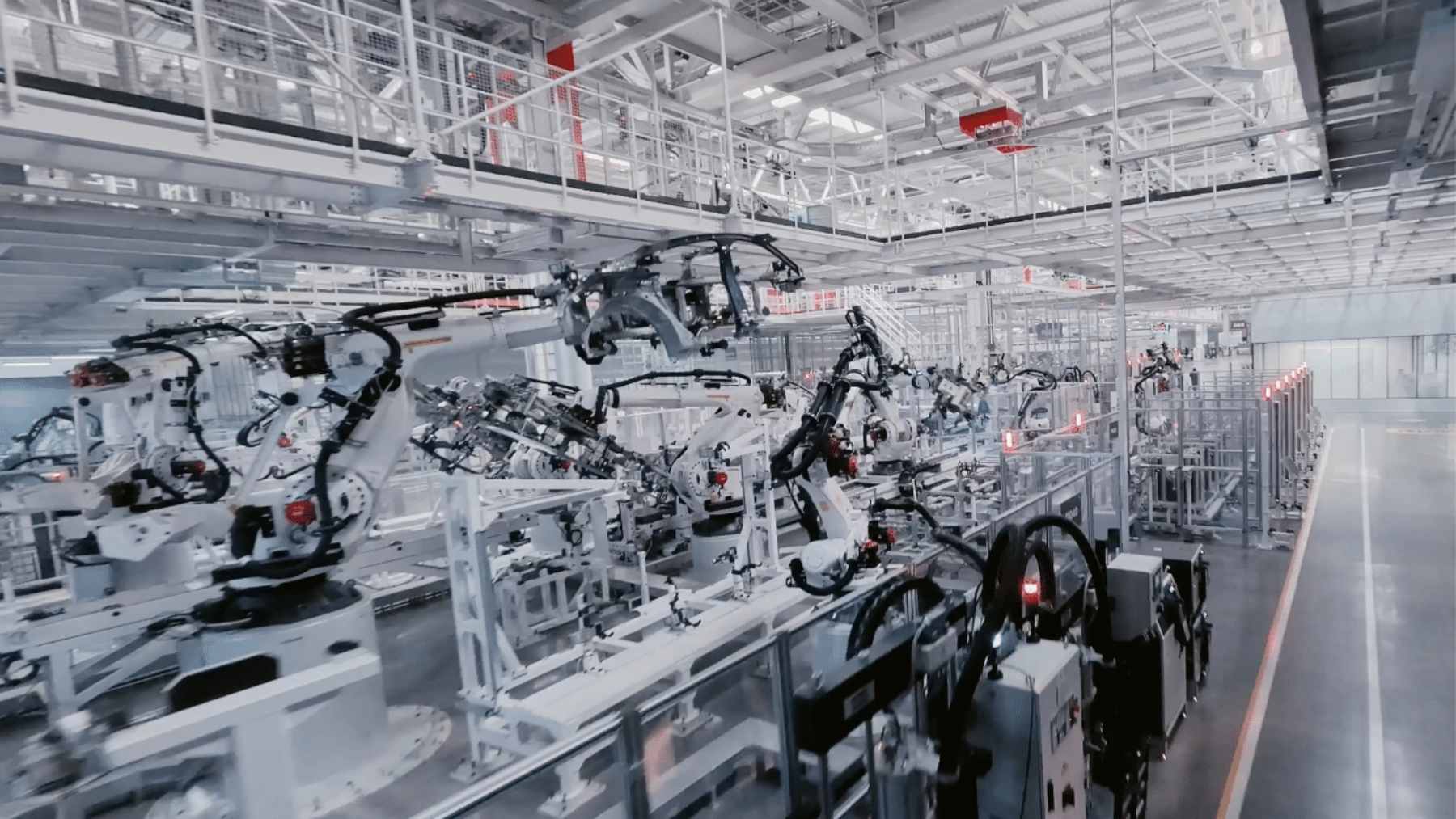
In practical terms that means a lot of hardware. A recent report on his Starbase presentation noted that he wants to scale production up until Starship factories rival the combined annual output of major airplane makers. That is a staggering industrial effort even before we ask how a city would actually function once it arrives.
A harsh planet that runs on resourcefulness
Mars is beautiful in telescope images, but as a home it is a brutal place. Its atmosphere is extremely thin, with a surface pressure less than one percent of Earth’s, and is made up of about 95 percent carbon dioxide with only traces of oxygen and water vapor. Average temperatures sit well below freezing. Step outside without a suit and you would be unconscious in seconds.
Because of that, every breath, every sip of water and every bite of food for a Martian city has to be created and recycled in a controlled system. That is where a concept called in situ resource utilization comes in, the idea of using local materials instead of hauling everything from Earth.
NASA has already tested one piece of that puzzle. Inside the Perseverance rover a small device known as MOXIE has successfully turned the carbon dioxide in the Martian air into pure oxygen. Over two years it produced about 122 grams of oxygen in total, peaking at around 12 grams per hour. Enough for a small dog to breathe for a few hours, not a million people.
Other research groups are exploring low-temperature systems that could make both oxygen and methane fuel from Martian air and water ice, potentially offering more efficient ways to power habitats and rockets in the future. Step by step, scientists are showing that basic ingredients for life support and propellant can be made on Mars, but at laboratory scale rather than metropolitan scale.
Sustainability when failure is not an option
For a Martian city the word “sustainable” is not about green branding. It is about survival. Recycling would have to be nearly total. Water would circulate again and again through filters and treatment plants. Organic waste would feed into bioreactors and greenhouses. Air would be continuously cleaned, monitored and topped up.
If everything works, life inside domes and underground habitats might feel a bit like living in an ultra-efficient building during a very long winter, one where opening the window is never an option. If something breaks, there is no backup grid and no nearby farm to lean on. That reality has pushed some engineers to argue that Mars could become the ultimate test bed for circular economy technologies that we also need on Earth from advanced water recycling to low-energy food production in harsh climates.
Two planets sharing one environmental bill
All of this also has an environmental price here at home. Building hundreds or even thousands of giant rockets requires mining and shaping huge quantities of metal, running energy hungry factories and operating sprawling launch sites.
A recent life cycle assessment of launch systems estimated that building and firing rockets and satellites is responsible for most of the space sector’s greenhouse gas emissions, although reusable vehicles such as Starship could cut manufacturing related emissions by more than 90 percent compared to expendable rockets.
Right now rocket launches still account for far less than one tenth of one percent of global carbon dioxide emissions. Yet scientists warn that soot and other particles injected high in the atmosphere during launch and reentry can have an outsized warming effect and may damage the ozone layer as launch numbers rise.
Critics look at those trends and ask a simple question. At a time when just a few dozen fossil fuel companies are still responsible for roughly half of global carbon emissions, is it wise to pour vast resources into a Mars lifeboat rather than cutting pollution at the source here on Earth.
Supporters answer that the same technologies needed for a Mars city can push cleaner energy, better recycling and more efficient industry on our own planet. Both views can be true to a large extent.
In the end Musk’s Mars plan forces a reframing of sustainability. On Mars it means learning to live within a tiny, fragile bubble in a hostile environment. On Earth it still means keeping the one big bubble we already have in stable shape.
The official statement was published by SpaceX.