Europe’s latest space contracts are not just about rockets and prestige. They are about what happens to the hardware after the headlines fade and about how precisely we can measure the gases heating the planet.
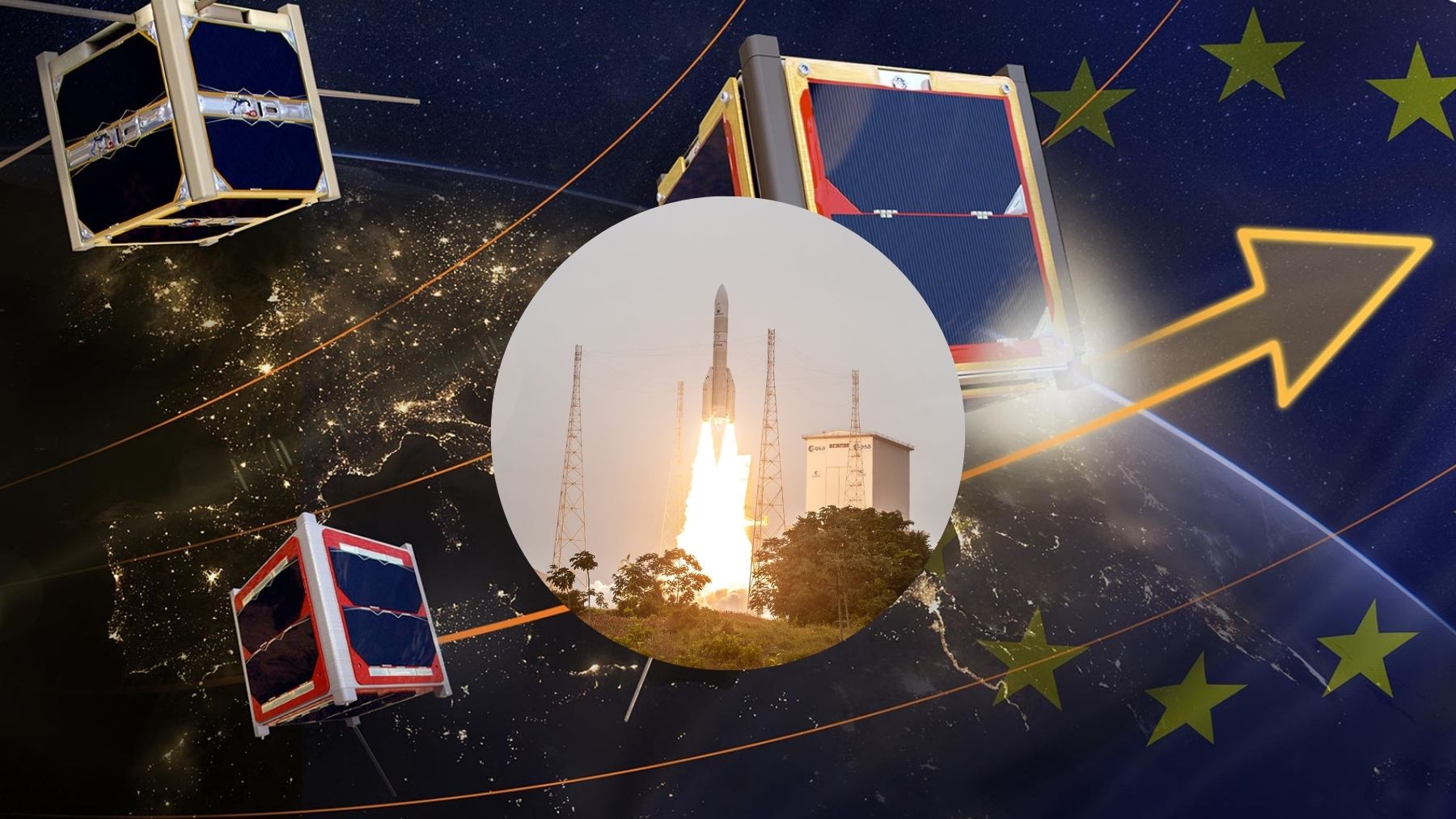
On August 27, 2025, the European Space Agency signed the first launch service contracts under its Flight Ticket Initiative with Italian launcher builder Avio and German startup Isar Aerospace. The five missions will test new ways to deorbit satellites, practice debris removal and sharpen monitoring of greenhouse gases, all while giving Europe’s emerging rockets a boost.
The Flight Ticket Initiative is a joint effort by ESA and the European Commission that offers subsidized rides to orbit for European companies and institutions that want to try out new space hardware in real conditions. These are so-called in-orbit demonstration or in-orbit validation missions, where prototypes move from lab benches to the harsh environment above our heads. At the same time, the scheme nudges customers toward new European launchers so that the continent is less dependent on foreign rockets.
Avio Vega C missions for space debris mitigation and deorbiting
Avio will carry three of the selected missions on its Vega C rocket from Europe’s spaceport in French Guiana as secondary payloads. Persei, a Spanish company, will fly its E T Pack demonstrator to test a kilometer-long aluminum tape that unfurls from a satellite and interacts with Earth’s plasma and magnetic field.
As the tape moves through this environment it generates an electric current that produces Lorentz drag, slowly decreasing the speed of the satellite until it reenters the atmosphere. No fuel tanks. No extra thrusters. For a congested low Earth orbit, that kind of passive cleanup could become a quiet workhorse.
The concept is designed to keep the satellite stable and avoid collisions while it spirals down. In other words, instead of leaving a dead spacecraft drifting for decades, the mission aims to prove a practical way to clear it out of the way. If it works at scale, future regulations on end-of-life disposal might look a lot more achievable.
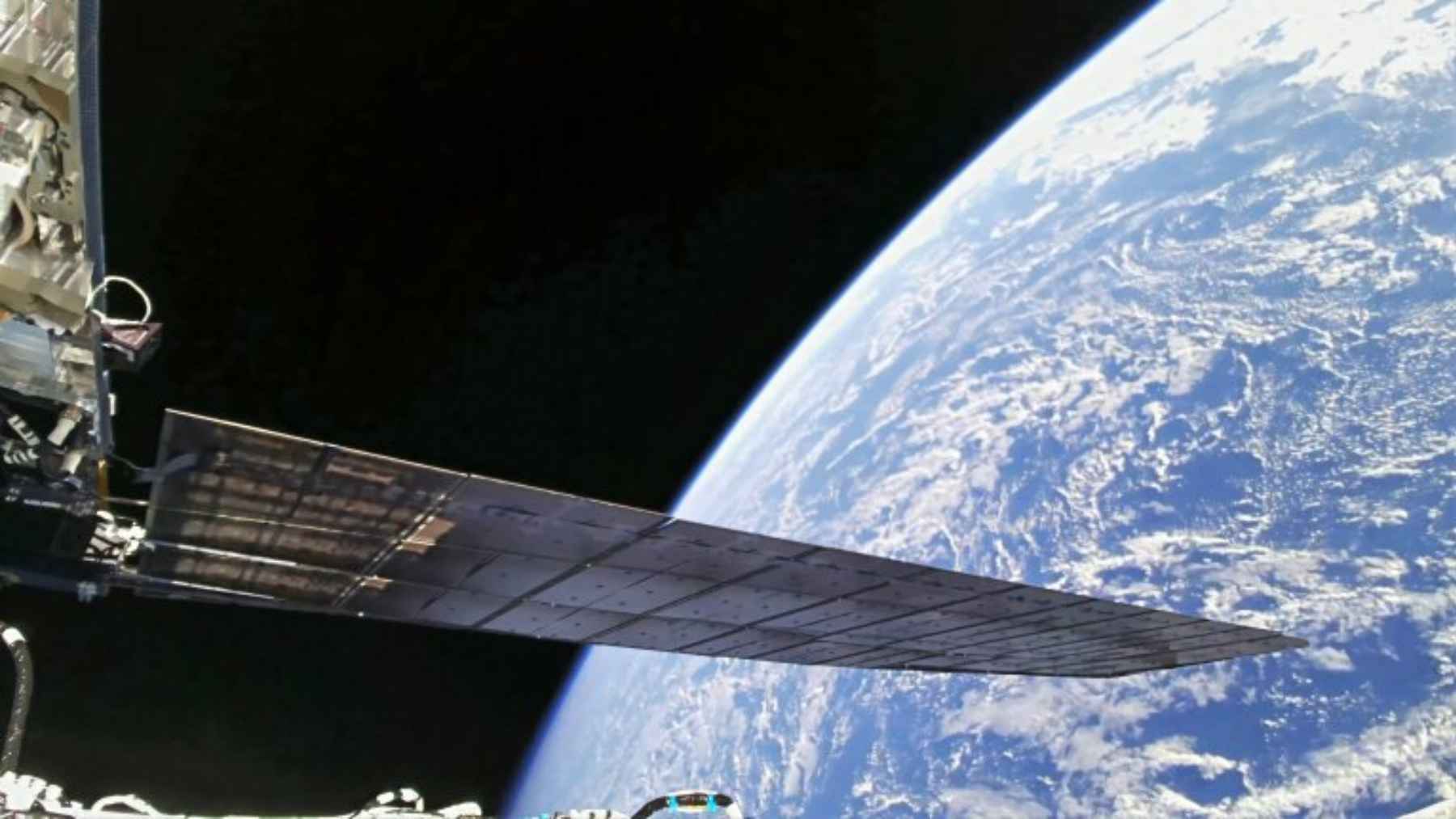
The second Avio passenger is Pluto plus, a CubeSat from the German Aerospace Center DLR. Built at DLR’s Institute of Space Systems in Bremen, it will test a compact but powerful avionics system together with a flexible solar array that can deliver about 100 watts of power.
YouTube: @AirProNews
The idea is to show that components usually reserved for larger satellites can operate reliably on much smaller platforms. More capable small satellites mean more science and environmental monitoring per launch, something taxpayers and climate watchers alike tend to appreciate.
GapMap 1 satellite and greenhouse gas monitoring
Avio’s third Flight Ticket customer, French company Grasp, is building an Earth observation constellation. Its GapMap one satellite, the second in that system, will carry a short-wave infrared spectrometer designed to detect greenhouse gases in the atmosphere.
According to ESA, the constellation will scan the air with 60 measurements on each pass, offering more detailed data on air pollution and climate change. Better data can feed into emission inventories, urban air quality models and the climate targets that eventually show up in national policies or even on household energy bills.
Isar Aerospace Spectrum launches and space debris cleanup
Isar Aerospace, based in Germany, secured two missions on its Spectrum launcher from Andøya Spaceport in Norway. Infinite Orbits will fly a pair of satellites that simulate a debris cleanup scenario in low Earth orbit.
One satellite will behave like an inactive piece of space junk while the other approaches it independently and holds position a few meters away. The company plans to demonstrate rendezvous and close approach techniques that are essential for future debris removal and in-orbit servicing. These are the same skills needed to safely grab an old satellite, push it into a graveyard orbit or even refuel and reuse it.
Dutch company Isispace will manage three CubeSats that share the other Spectrum flight. The firm will integrate the spacecraft and run their in-orbit operations so that several experiment providers across Europe can validate their technologies in space. Under a separate announcement, ESA has identified this mission as Cassini, hosting payloads from IENAI Space, EICAS Automazione and other partners.
For Isar Aerospace, the contracts are a sign that institutional customers are willing to trust a new launcher family. “These agreements demonstrate the trust European institutions have in our launch services,” said Isar Aerospace chief executive Daniel Metzler. “It marks a key step in strengthening Europe’s independent space access and sets the foundation for future institutional missions under other programs like the European Launcher Challenge.”
Boost program and Europe’s independent access to space
The Flight Ticket Initiative sits within ESA’s Boost program and is tied to the European Commission’s in-orbit demonstration and validation activities. In practical terms, it creates a kind of recurring shuttle service for novel space hardware, with regular calls for applications. ESA notes that awards per launch opportunity are capped, which helps spread support across multiple players and keeps competitive pressure on prices.
At first glance, these five missions might seem like niche engineering projects. Look closer and they point toward a different way of using space. Cleaner orbits. More agile satellites. Sharper eyes on the gases that shape our climate.
The race to orbit is not slowing down. With initiatives like these, Europe is trying to make sure that space growth comes with a lighter footprint, both above the atmosphere and back here on the ground.
The official press release was published on ESA’s website.