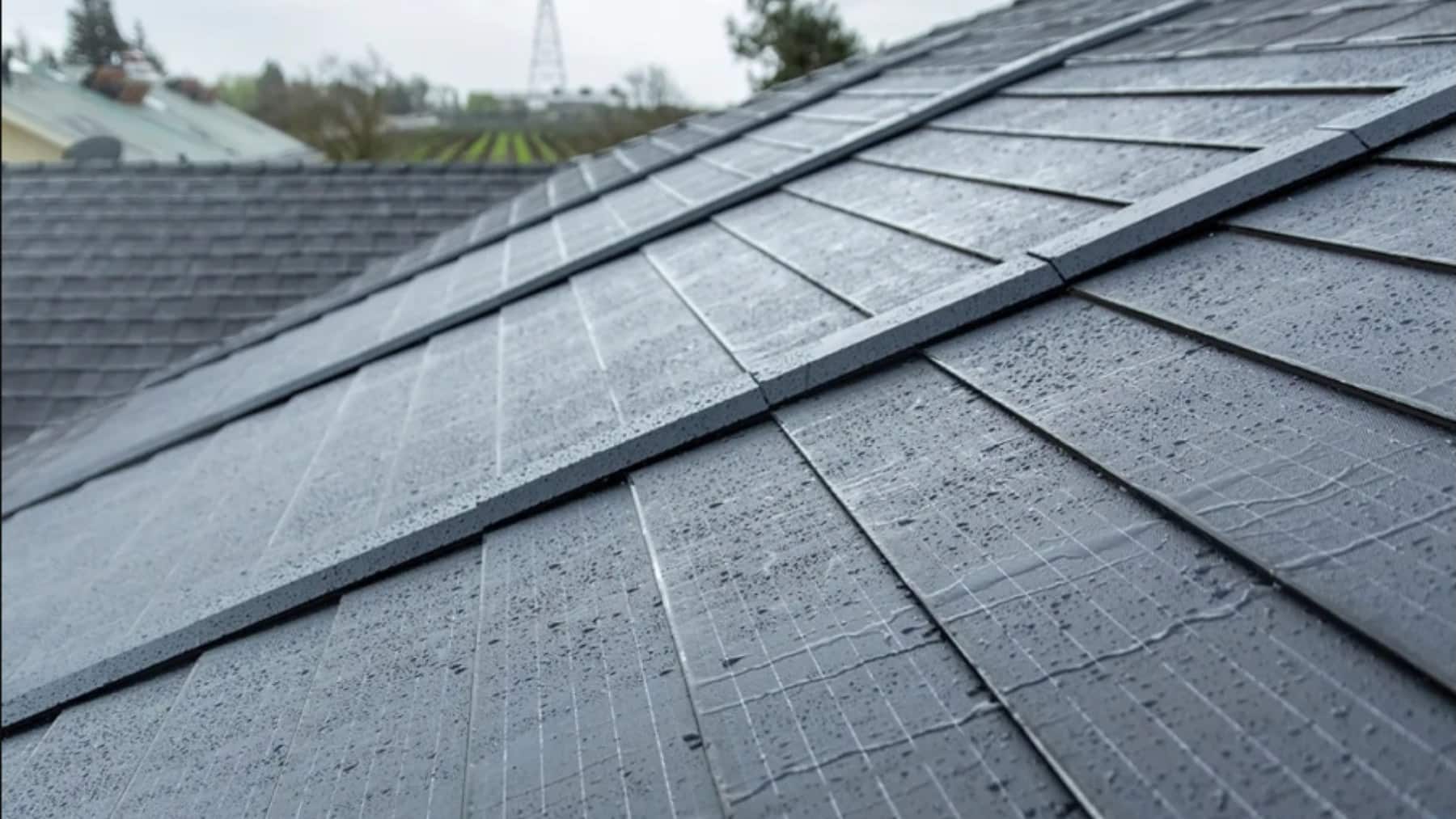
The limitless innovation in the modern world means that no industry is exempt from new inventions dominating it. In the energy industry, there are many such instances, like the glass energy production in Croatia and India’s zinc air battery device that draws energy from air. Recently, the world was introduced to the term “every shingle counts,” which signals the emergence of a 57-watt clean energy-producing tile.
Analysing the importance of tiles that turn people’s roofs into a clean energy source
Environmentalists and other experts have been highlighting the importance of reducing greenhouse gas emissions in order to preserve the Earth, but there has not been enough action taken to ensure this. These tiles are guaranteed to please environmentalists because they generate a clean energy source seamlessly.
The current trajectory of the world suggests that in the future, it will become increasingly complex for people to avoid using clean energy because of the inventions that cater to the environment. The =tiles that turn people’s roofs into a clean energy source are something that modern-day people may turn towards as they aim to make clean energy production part of their lifestyles.
Every shingle counts: Which specific clean energy source do the tiles draw on?
GAF Energy, the largest roofing manufacturer in the US, created Timberline Solar shingles, which generate 57 watts per tile. Upon first glance, this might seem like an audacious attempt to blend aesthetics and energy production because the tiles are expected to replace bulky solar panels that people install on their roofs. The shingles are fragile and thin (about 0.6 cm) and are nailable onto roofs.
Diving deeper into the details and capabilities of the 57-watt solar energy-producing tiles
People who have been using traditional roofs on their homes might be sceptical about turning toward this new invention, which has a dual purpose. However, GAF Energy has done its due diligence to ensure that the tiles are even better than the traditional ones.
According to the testing done by GAF Energy, the tiles are resilient and capable of holding up in wind speeds of up to 130 mph. The company is so confident in its product that it has instilled powerful warranties, for instance, 25 years for product failure, such as leaks, and 15 years for wind protection.
Every shingle counts: Comparing the 57-watt tiles to other clean energy sources
Some people might wonder whether GAF Energy is the sole manufacturer of energy-producing roofing tiles, but this is not the case. Tesla is a company that has expressed its intention to partake in the clean energy initiative; thus, it should not be a massive surprise that it produces solar roofs. In a nutshell, the differences between Tesla and GAF Energy roofs are that GAF Energy’s roofs are easier to install, which makes them labour-friendly, but Tesla’s roofs generate about 72 watts per tile compared to GAF Energy’s 57 watts.
The main pushback from critics is that the solar tiles still produce less energy than traditional solar panels, which lessens the incentives for people to embrace this new technology. However, it is essential to note that there is room for even more development in solar tiles, and in the future, they might produce more than 57 watts of energy. Additionally, the solar tiles offer a perfect balance that prevents people from compromising between energy production and aesthetic value.
GAF Energy’s 57-watt tiles are an affordable option to amalgamate clean energy production and magnificent roof designs. It is relevant that GAF Energy is the biggest roof manufacturing company because its output of solar tiles is likely to set a precedent for competing companies. Ultimately, the entire Earth stands to gain from more clean energy production, which is expected to result in fewer carbon emissions.
Disclaimer: Our coverage of events affecting companies is purely informative and descriptive. Under no circumstances does it seek to promote an opinion or create a trend, nor can it be taken as investment advice or a recommendation of any kind.