Many nations have issued an alert about the vulnerabilities existing in text communication between Android and iPhone users. This announcement was made by the Federal Bureau of Investigation (FBI) and Cybersecurity and Infrastructure Security Agency (CISA) after increasing concern over what has been described as a very extensive cyber-espionage campaign, “Salt Typhoon,” initiated by Chinese hackers where the US telecommunications networks have been targeted in this campaign highlighting weaknesses opened to critical unencrypted messaging systems.
Salt Typhoon Breach: A wake-up call for US telecom security
Salt Typhoon broke surfacing earlier this year; hackers breached numerous US telecommunications networks, only stealing metadata including call dates, times, and recipients, along with small chunks of actual call and text content.
Intentional targets are government and political users; however, the full scope of the breach remains yet unknown. Jeff Greene, who is the assistant director, cybersecurity, for CISA, emphasized that encrypted communication is one measure of protection; he said, “It should be a standard practice to secure sensitive information, whether messaging or voice communication.”
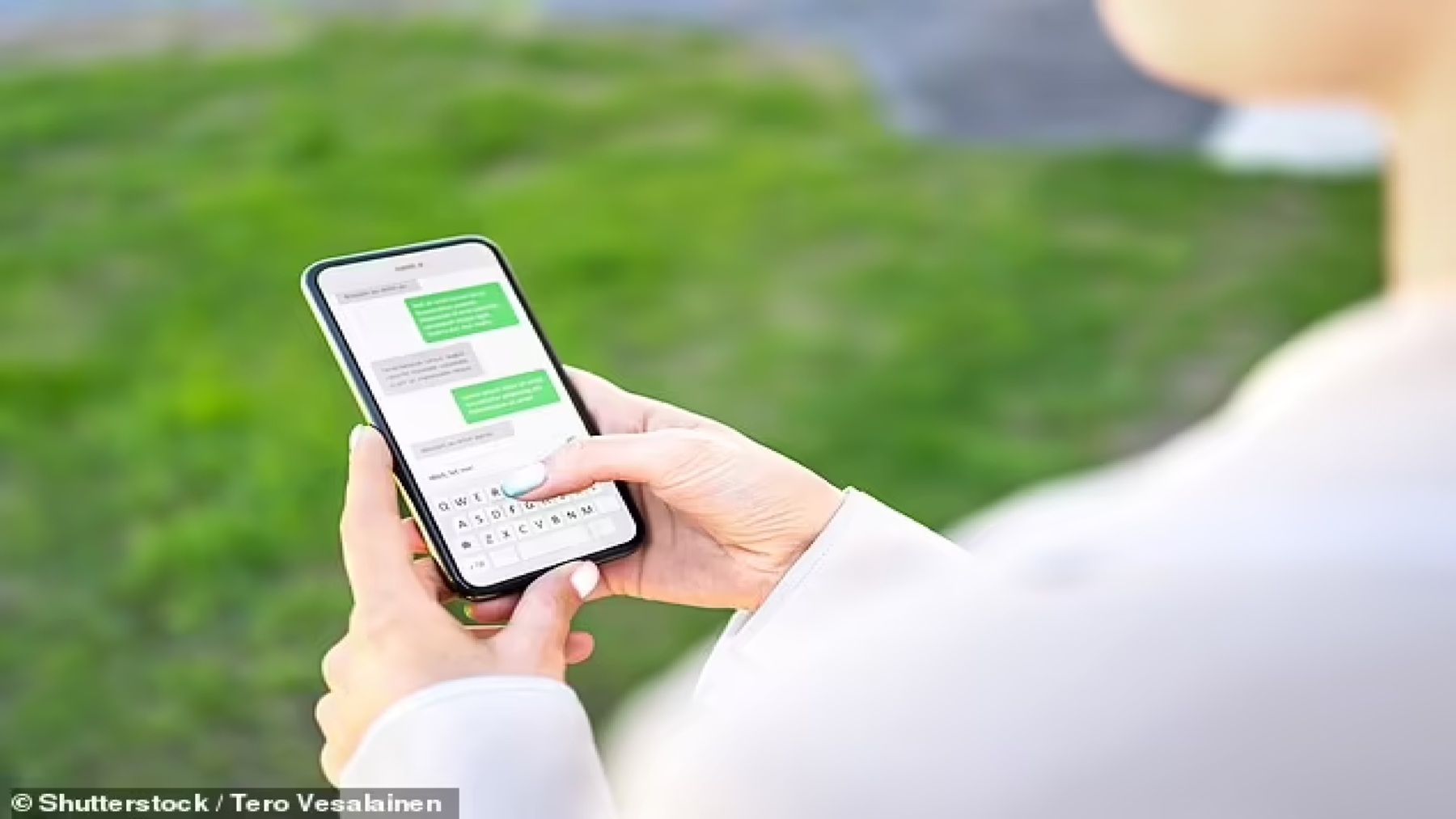
Vulnerability regarding SMS and RCS messaging systems exists. Over platforms like iMessage and those using Rich Communication Services (RCS) for Android-to-Android messaging, encryption is achieved; however, between Android and iPhone users, cross-platform communication is not secure.
Just like the SMS standard, no encryption has been performed on it. Therefore, it is most susceptible to interception. Cybersecurity expert ESET Jake Moore warned that communications transmitted using SMS are particularly vulnerable due to the antiquated SS7 protocol which hackers could use through the relevant tools and expertise.
The ongoing attempts to phase out SMS will still offer the benefits of RCS in providing better functionality and security-for-now, RCS is not end-to-end secure for cross-platform messaging. However, Google and Apple are still to satisfy themselves on the timeline by which they will address such core issues.
Meanwhile, communication methods suggested by experts include using encrypted messaging apps such as WhatsApp and Signal for sensitive communications. Such apps offer highly robust end-to-end encryption for messages, allowing access only to the intended recipient.
Salt Typhoon: One among the several cyber-attacks associated with China
Regarding cyber-attack operations like Salt Typhoon, it is only one of several recent cases attributed to China. The recent investigations reveal that the FBI dismantled a Chinese botnet, numbering over 200,000 infected devices, in September.
At about the same time, news reports broke about Chinese hackers tried to break into the computers of American political figures, including those associated with Donald Trump and Kamala Harris. All these reflect an increased sophistication in cyber threats. China, as indicated by reports, has denied such allegations by calling them “disinformation”.
It accused the US of perpetrating its own cyberespionage and this is reflected in the growing geopolitical tensions between the two countries. For these threats, FBI and CISA recommend users employ encrypted applications such as Signal or WhatsApp, have regular updates of software patch vulnerabilities, and use multi-factor authentication for additional safety measures. Full encryption platforms safeguard text, voice, and video communication in a very efficient manner.
Scorching up the encryption debate: Privacy versus lawful access
Debate around encryption is still hot, for law enforcement says the availability of encrypted data does hinder criminal investigations. This is back to the balancing act of privacy versus lawful access, with little in the way of resolution.
Following an increase in cyber threats, the Federal Communications Commission is considering making telecom service providers submit every year certifications for their cybersecurity measures. The proposal is a result of some Salt Typhoon campaign inspirations and is aimed at strengthening security within their networks.
The Salt Typhoon incident was a pointer to vulnerabilities of traditional systems and spurred the call that such individuals and organizations put emphasis on securing their cyberspace and adopting encryption technology as advocated by the FBI and CISA.
Many Americans are slowly adopting encrypted applications, using regular updates, and adding multi-factor verification to help combat cyber espionage. Such acts are preventive as the threat of cybercrimes continues becoming extensive and much more intricate in digital worlds where the ever-growing times race with the changes.