The use of nuclear power has always been a sensitive issue and complex in the energy markets. However, the advancement in nuclear power technology has not been received warmly by many countries because of the environmental, safety, and future management problems.
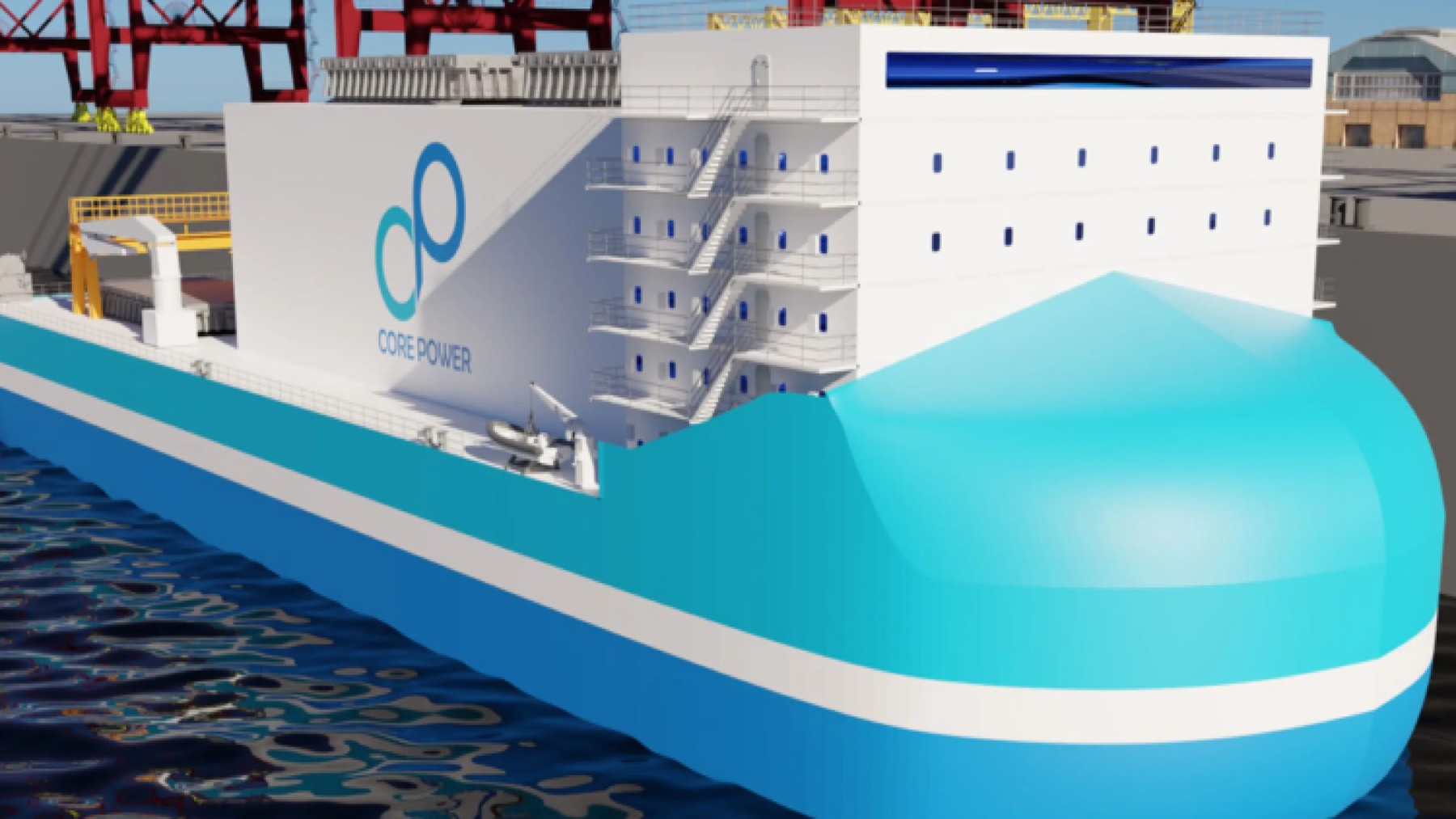
However, there is a new project which targets changing this perspective. Westinghouse Electric Company and CORE POWER have intended to develop floating nuclear power plants using eVinci microreactor. This could be the future of nuclear energy, especially in regions where conventional power stations cannot be developed.
Why floating nuclear power plants are different from conventional reactors
Most countries are decommissioning their nuclear reactors or limiting the use of nuclear energy in power plants; this project is an exception. The floating nuclear power plants and the Westinghouse’s eVinci microreactor being developed are expected to meet the global need for clean, flexible and reliable electricity.
Unlike conventional nuclear power stations, floating nuclear reactors are relatively cheap and can be moved and anchored at offshore stations. This unforeseen consequence is transitioning from the growth of sizeable ground-based power plants to small, portable reactors.
The Vinci microreactor is designed for operation within eight years without refueling, which makes it suitable for remote or disaster areas. If this is achievable, it will revolutionize how the world sees nuclear energy in a world that is going green and shifting from fossil fuel dependency.
That is why floating nuclear power plants are not only about mobility; they also define the main safety factors. These reactors are off-shore, protected from natural calamities like the tsunamis that led to the Fukushima disaster. The eVinci reactor, with a unique design, does not demand frequent maintenance and employs heat pipe technology that does not require water cooling, making the system even more straightforward.
These floating plants are constructed to be fabricated in the shipyard to increase construction efficiency. This could be a real game changer for regions with scarce space for extensive energy facilities. Additionally, the modularity of these reactors makes it possible to provide energy to the coastal people, islands, or industrial areas that may require constant electricity supply.
The modularity of these plants may create new opportunities for nuclear energy in places where conventional power plants may be too expensive or impossible.
The future of energy: Clean, flexible, and sustainable with floating reactors
Floating nuclear power plants are deemed to have the advantage of delivering efficient and clean energy without the limitation of conventional power stations. The Vinci microreactor can generate up to 5 MW of electricity and thus can be used in the most diverse ways, from supplying small villages to powering large industries.
Also, its ability to produce heat at high temperatures can be employed in industries like hydrogen production, making it an attractive complementary system to renewable energy. The mobility and effectiveness of these floating reactors could well be the answer to CO2 reduction targets around the globe.
With governments and businesses aiming for zero carbon, nuclear power could offer a reliable, low-emission solution to replace fossil fuels. As independent and rapidly deployable structures, floating nuclear power plants can become critical in the energy transition and provide power to ever-growing populations.
The hurdles ahead: What’s next for floating nuclear power plant development?
Nevertheless, there are difficulties in the application of FSNP. The project is still in development, and more studies and experiments must be carried out until the reactors can be brought to the market.
Westinghouse and CORE POWER are seeking certification and fine-tuning the design of the Vinci microreactor, with testing anticipated in the next couple of years. If successful, the venture could herald a change of fortune for the nuclear energy industry, but there are still several obstacles to be overcome.
However, this new idea in the development of nuclear energy is a reminder that people are still coming up with new ideas in the development of nuclear power, although some countries are turning their back on nuclear power.
Floating Nuclear Power Plants may be a solution that is efficient, safe, and sustainable for the world’s power demands, delivering clean energy in areas that require it. It may not answer all energy problems, but it’s a step toward a more flexible and resilient future.