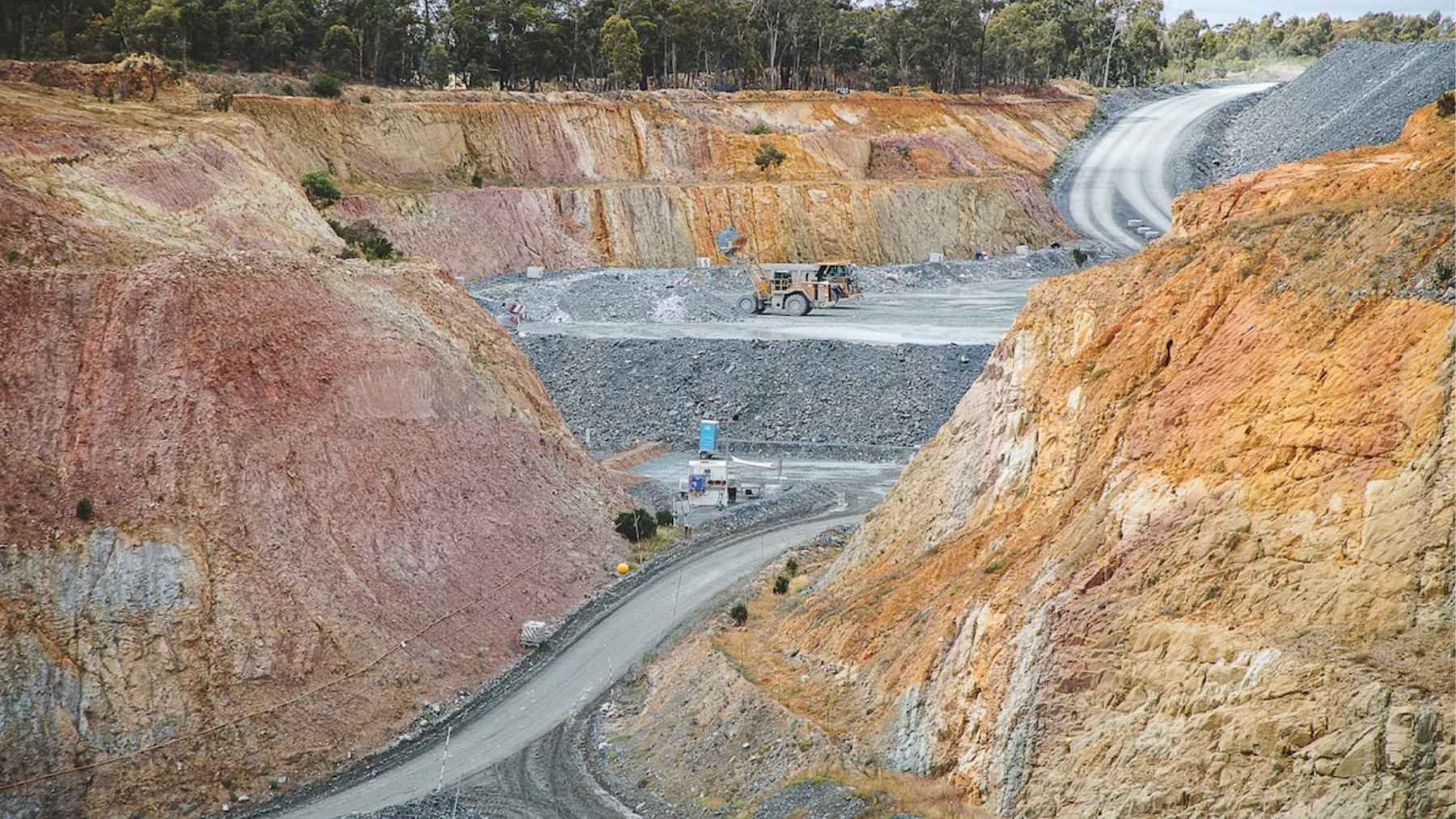
Gold put Victoria on the mining map. But the minerals driving today’s clean tech boom are different, and so are the stakes. Antimony and rare earth elements are now in the spotlight because they show up in everyday essentials, from electronics to the motors and magnets inside wind turbines and electric vehicles.
That sounds like good climate news. But it also raises an obvious question. Can a region expand mining for the energy transition while keeping land and water safe?
Industry representatives say Victoria is in an unusual position. It is currently the only Australian state mining antimony, and estimates shared by the Minerals Council of Australia suggest Victoria contributes around four to five percent of global supply.
This matters because antimony is used in a range of industrial applications, and demand is rising in a world that is trying to build resilient supply chains.
Why antimony and rare earths are suddenly so strategic
In practical terms, critical minerals are becoming the raw ingredients of electrification. Rare earths are used in permanent magnets found in many EV motors and wind turbines, while mineral sands can host valuable components that support advanced manufacturing.
Victoria’s Murray Basin is often described as a major mineral sands province, and proposed projects talk about multi-decade mine lives. That long horizon can bring stable regional jobs, which is not a small thing for towns that have watched industries come and go.
But the global context is what really changed. Over the past decade, governments have started treating critical minerals like a form of economic security. That is why allies like the US, the UK, Canada, and the EU pay attention when a region can supply materials they consider essential.
The environmental tradeoffs people worry about
Mining is never impact free. Research on antimony mining in different regions has highlighted a recurring risk. Tailings and waste can contain antimony alongside other metals that may contaminate soil or waterways if storage and monitoring are not rock solid.
Rare earth supply chains can bring their own headaches, including chemical processing challenges, waste streams, and high water demands.
This is where local concerns become very real. If you live near a river system, or your income depends on farming, one incident can shift trust for years. Dust, noise, habitat disturbance, and groundwater use are not theoretical, they show up in daily life.
What Victoria says it will do differently
Victoria’s government has framed its approach around “ethical” production and improved oversight. It points to tighter project coordination and a more predictable approvals process, which industry argues helps investment move forward.
The key test will be transparency. People will want to see clear baselines, public monitoring results, and strong rehabilitation plans that hold up long after the headlines fade.
The official statement was published on Resources Victoria.