Sustainable residential air conditioning is one of the Biden administration’s goals, as announced in the last State of the Union address. In this line, they have just approved the new Furnaces Tax Credit 2024, with new amounts and simpler requirements than in the previous call. We have prepared this article in which we give you all the keys.
Government publishes Furnaces Tax Credit 2024: a revamped program
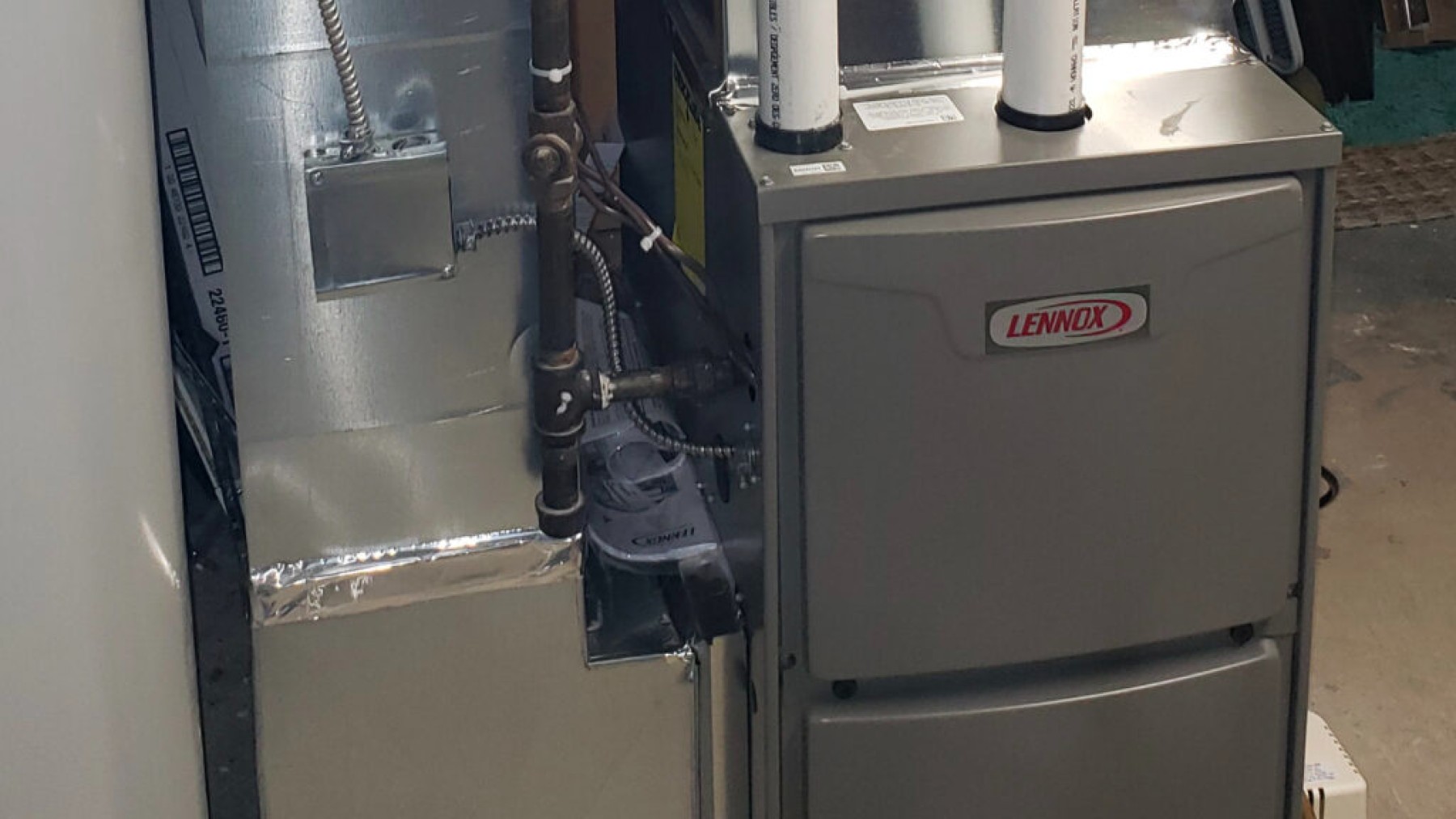
Furnace tax credits are incentives provided by the federal government to encourage homeowners to upgrade their home heating systems to more energy efficient models. These tax credits help offset the cost of purchasing and installing high-efficiency furnaces that reduce energy consumption and carbon emissions.
The credits have existed for over a decade, originally introduced as part of the Energy Policy Act of 2005. The goal is to spur adoption of greener technologies in the residential sector, which accounts for over 20% of U.S. energy consumption.
With heating and cooling representing nearly half of an average home’s energy use, upgrading furnaces provides an opportunity to meaningfully improve efficiency. The tax credits make these upgrades more affordable. Furnaces are a major investment, often costing between $5,000-$12,000 installed.
The subsidy program you knew has become obsolete: 2024 brings changes
The current federal tax credit provides homeowners a credit of $300 when installing a qualifying high-efficiency natural gas, propane, or oil furnace or hot water boiler. This tax credit was created in 2005 under the Energy Policy Act and has been extended several times, most recently through 2022.
To qualify, the new furnace or boiler must meet minimum efficiency standards based on the Annual Fuel Utilization Efficiency (AFUE) rating. The minimum AFUE ratings are 95% for natural gas and propane furnaces and 90% for oil furnaces. The tax credit applies to the full installation cost of the new furnace or boiler, up to $300.
This tax credit aims to incentivize homeowners to upgrade to more energy efficient heating systems, which reduce energy usage and carbon emissions. The $300 credit helps offset part of the often significant upfront costs of purchasing and installing a new furnace.
To qualify, furnaces must meet certain efficiency standards based on the type of fuel used. Natural gas furnaces must have an Annual Fuel Utilization Efficiency (AFUE) rating of 95% or greater. Oil furnaces require an AFUE of 90% or above.
The main amounts and requirements to access Furnaces Tax Credits are as follows
In 2024, the tax credit for energy efficient furnaces and boilers is set to increase substantially. The current credit is only $300, but it will rise to $2,000 for qualifying models installed beginning in 2024. This increased credit will help offset more of the upfront costs of upgrading home heating systems.
The eligibility requirements will also expand in 2024. Currently, the tax credit is only available for the most efficient models that meet strict energy-efficiency criteria. But starting in 2024, the credit will be accessible for mid-range efficiency models as well.
This opens up the credit to more homeowners who want to upgrade but don’t necessarily need the highest-end systems. The changes slated for 2024 aim to incentivize more homeowners to proactively replace aging, inefficient furnaces and boilers.
With a more generous tax credit covering a wider range of systems, the update will make upgrades more affordable. Homeowners can cut their upgrade costs while also reducing their energy bills and carbon footprint over the long term.
As you have seen, the Furnaces Tax Credit 2024 is an opportunity to renew the air conditioning at home, both with a new heating system and with a more efficient air distribution. The ultimate goal, it is clear, is to improve energy efficiency and avoid one of the largest contributions to the carbon footprint of the United States, which, as we have already discussed, continues to grow.