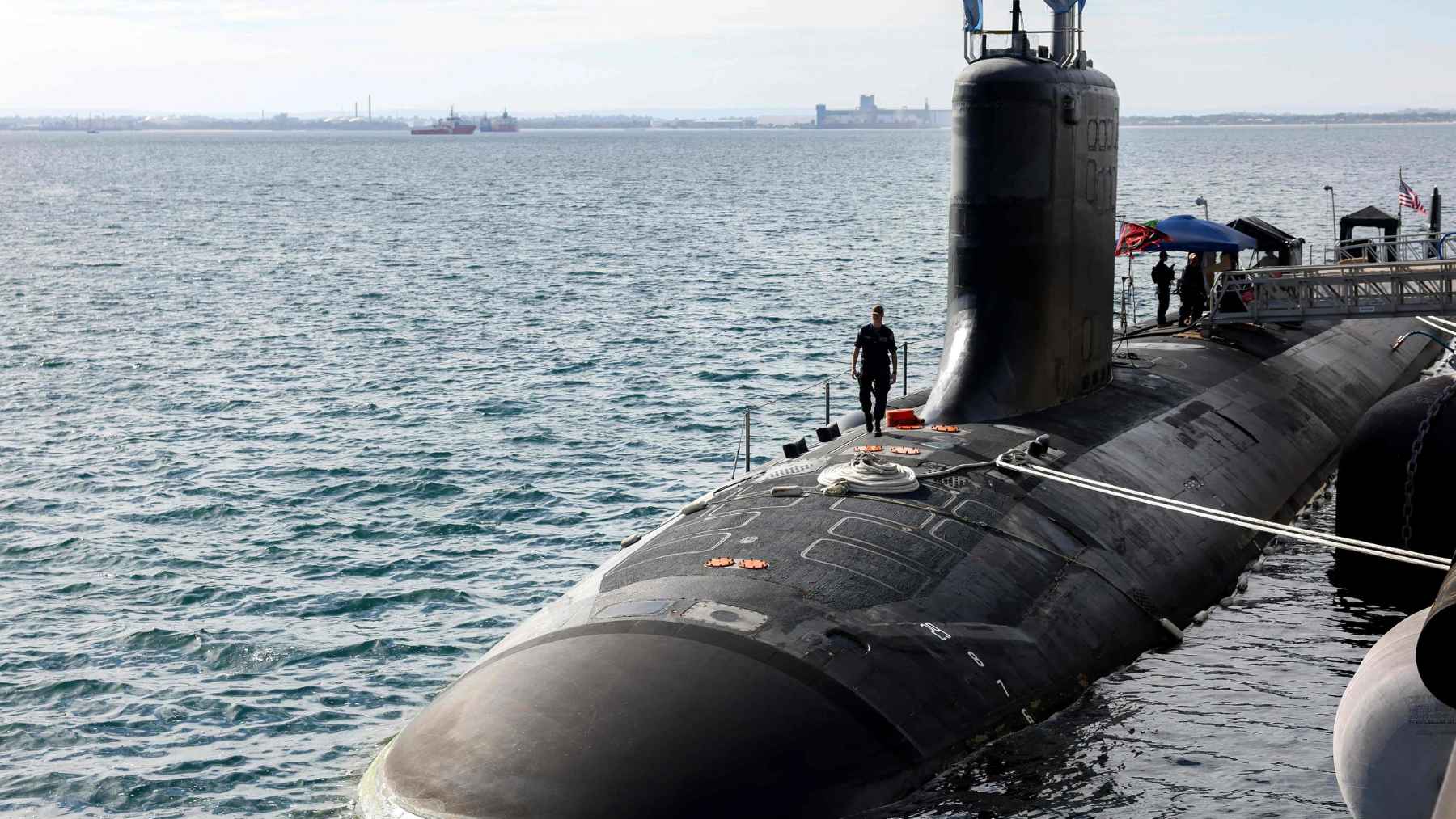
A new briefing for the US Congress has again raised the possibility that Australia may never receive the Virginia-class nuclear submarines at the heart of the AUKUS deal, even as the country locks in decades of nuclear stewardship, coastal construction and radioactive waste obligations.
For environmental groups and many citizens, that raises a blunt question. If the submarines never show up, what exactly are Australians being asked to live with along their coasts and in their budget?
A security deal that might not deliver submarines
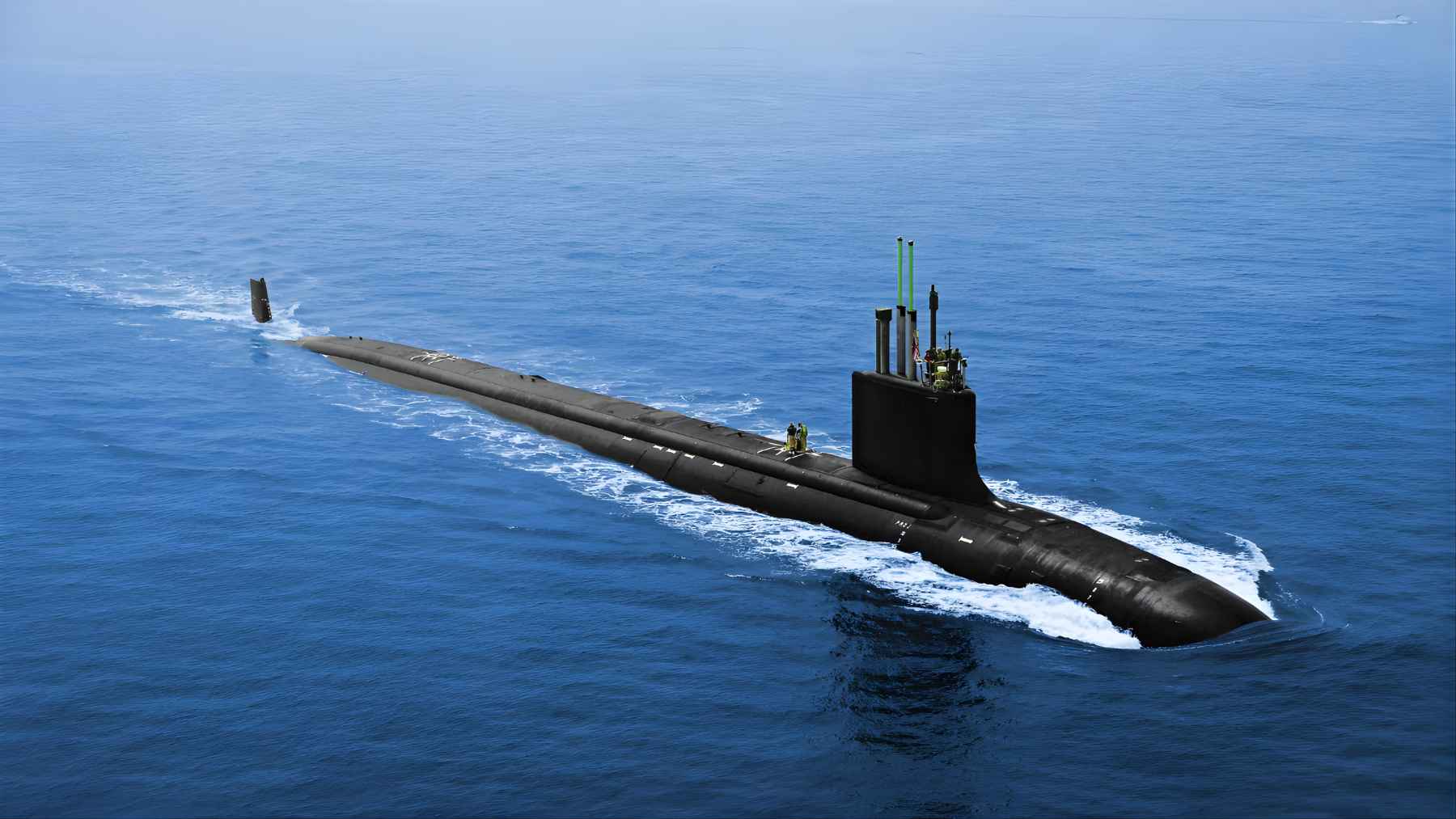
The latest report from the US Congressional Research Service explores an alternative to the current plan. Instead of selling boats to Australia, the United States would keep the Virginia class submarines and operate them from Australian bases under a shared “division of labor”, while Australia pours money into other military capabilities such as long-range missiles and drones.
The same report highlights a stubborn problem. US shipyards have struggled to build Virginia-class submarines at the intended rate of two per year and in recent years have averaged closer to about 1.1 to 1.2 boats annually, leaving the US fleet below its own target numbers.
Under US law, no submarine can be transferred to Australia if the US Navy believes it needs that vessel for its own forces.
Despite this, Australia’s defence minister Richard Marles and the Australian Submarine Agency insist the AUKUS pathway remains “at pace and on schedule” and that the United States still plans to supply three Virginia-class submarines from the early 2030s.
Former prime minister Malcolm Turnbull argues the deal leaves Australia paying for bases and infrastructure while Washington can always decide that no submarines are spare.
Greens senator David Shoebridge has gone further, calling AUKUS a one-sided arrangement that risks turning Australian ports into platforms for US-controlled nuclear submarines. The strategic debate is loud. The environmental one is only just catching up.
Nuclear submarines bring long-lived environmental responsibilities
Nuclear powered submarines do not only patrol quietly below the waves. They also bring reactors, fuel, maintenance facilities and eventually hulks that must be defueled, dismantled and stored somewhere for generations.
Officially, Australia says it is ready to be a “responsible nuclear steward”.
The Submarine Agency notes that the United States and United Kingdom have operated more than five hundred naval reactors over seventy years without documented adverse impacts on human health or the environment and says Australia will manage all radioactive waste from its own Virginia-class and future SSN AUKUS boats in line with international best practice.
A separate factsheet on the new Australian Naval Nuclear Power Safety Regulator explains that facilities to handle high-level waste from decommissioned Australian submarines will not be needed until the 2050s and that regulation will draw on standards from the International Atomic Energy Agency and partner regulators in the US and UK.
On paper, that sounds reassuring. In practice, environmental advocates warn that Australia still has no permanent disposal site even for some lower-level waste, let alone for reactor compartments and spent fuel that remain hazardous for tens of thousands of years.
The Australian Conservation Foundation has pointed out that successive governments have failed for decades to find a community willing to host a national waste facility and argues that the AUKUS program risks turning Australia into a destination for some of the world’s most challenging nuclear waste streams.
Independent analysis of the British nuclear submarine fleet, now being used as a cautionary case for AUKUS, documents long delays in dismantling retired submarines and persistent incidents and malfunctions at UK bases that have raised concerns about marine pollution and public health.
Port cities on the front line
The environmental debate is not abstract for residents of places such as Port Adelaide or Garden Island in Western Australia, where shipyards and support bases are already being expanded to host nuclear-powered vessels.
An impact assessment report prepared by the Submarine Agency for construction at Osborne, near Port Adelaide, is currently under fire from critics who say it sidelines key issues such as accident scenarios and long-term waste storage.
Local commentators argue that communities have a basic right to know what radiation risks emergency workers and nearby residents might face in the unlikely event of a reactor incident in port.
At the same time, many of these communities are dealing with hotter summers, higher bushfire risk and rising household energy costs.
For people watching their electric bill climb each month, the idea of spending up to three 368 billion Australian dollars on submarines rather than on renewables, coastal protection or public transport has become a live question, not an academic one.
Climate security or military security
Supporters of AUKUS argue that a stable Indo Pacific is a prerequisite for any long-term climate action and that nuclear-powered submarines offer an important deterrent in a region where great power tensions are rising.
Critics reply that security also means safe harbors, healthy marine ecosystems and a climate system that does not push Australian cities into permanent disaster mode.
At the end of the day, the choice is not simply submarines or solar panels. It is whether a massive, multi-decade military project can be designed in a way that genuinely respects environmental limits, listens to coastal communities and does not crowd out investment in the clean energy transition.
That conversation is only beginning, and the latest doubts from Washington about actually handing over any submarines are likely to sharpen it.
If Australia is being asked to live with nuclear risks and radioactive legacies for centuries, many people will want more than vague assurances that the boats might arrive one day.
The report was published on Congress.gov.