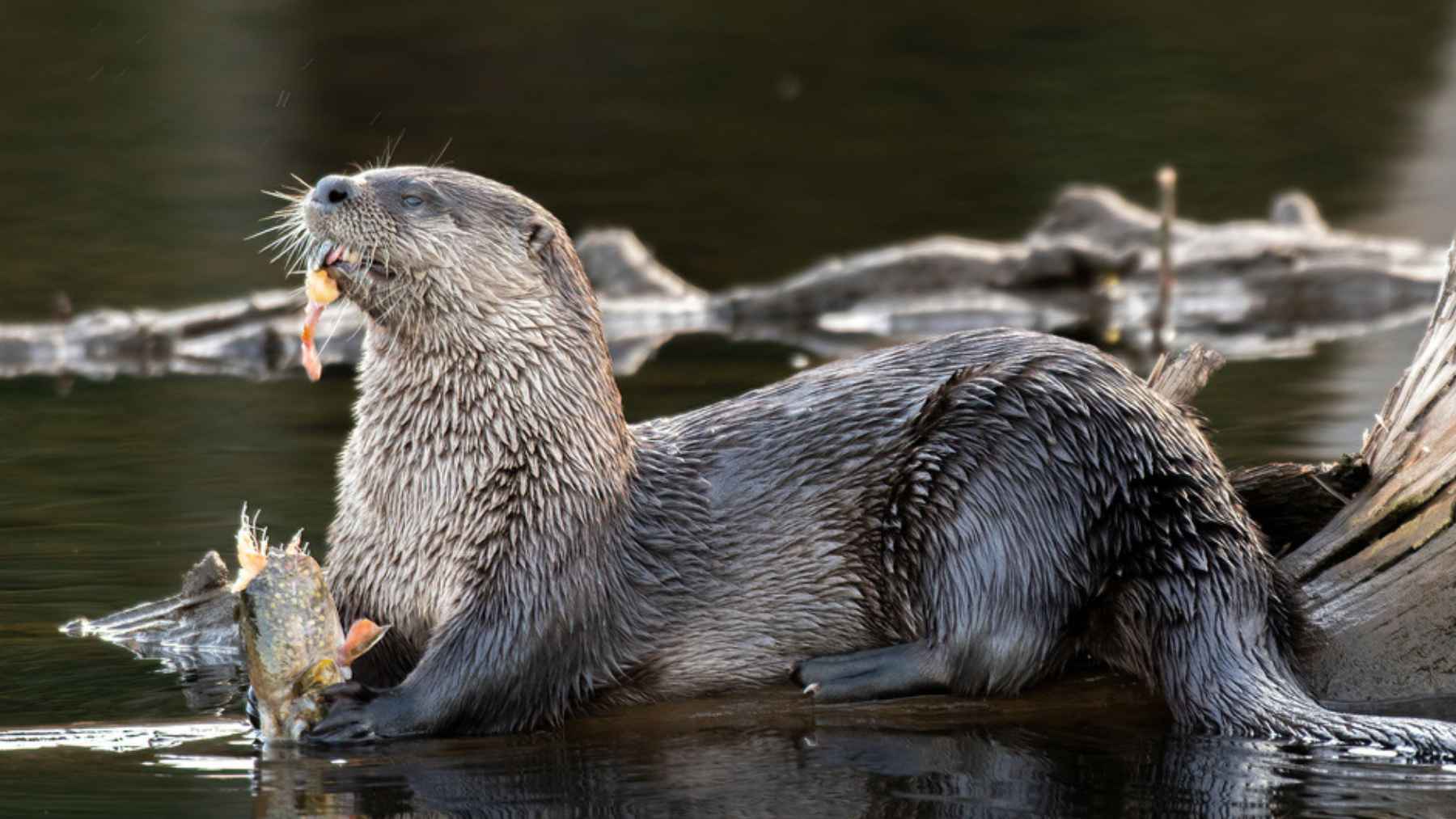
A short real estate video has turned into an unexpected conservation headline. While filming an 843 acre ranch near Waco, broker Josh Smith spotted four North American river otters playing in a private, spring-fed lake tucked into the Texas Hill Country.
Their appearance in this part of the state is still unusual and, for many biologists, it is a hopeful sign that Central Texas waters are slowly recovering.
River otters spotted in the Texas Hill Country
Smith first thought he was watching a nutria, a common invasive rodent, until one sleek head surfaced a little closer.
He watched as three more otters joined in, tumbling and diving in the clear water. “The habitat on the lake is incredible, clear and pristine water that comes right out of the ground on the property,” he told local outlet Chron, adding that “otters prefer good water and are a sign of a healthy ecosystem.”
Why otters are a sign of healthier water
Once common across much of Texas, river otters were driven from many regions by unregulated trapping, channelization of rivers, and decades of water pollution.
Today, the animals are known mainly from the eastern half of the state, with official fact sheets from the Texas Parks and Wildlife Department noting that they now occur mostly in larger lakes, rivers, and coastal marshes in that region.
Signs of a comeback in Central Texas rivers
Yet Hill Country residents are starting to see something their grandparents barely remember. Over the past few years, otters have been reported along the San Marcos River, where sightings had been absent for roughly seventy years.
Students first documented an otter there in 2021, followed by at least four more sightings, a shift local scientists connect to river restoration work and the Edwards Aquifer Habitat Conservation Plan that protects endangered species in those spring-fed systems.
Farther south, officials with the San Antonio River Authority say river otters are making a “comeback” in the San Antonio River near Goliad after being largely absent for decades.
They encourage paddlers and anglers to report future encounters through platforms such as iNaturalist so biologists can track how far west the species is spreading again.
Conservation status and what it suggests
Globally, the North American river otter is listed as a species of “Least Concern” by the International Union for Conservation of Nature. Populations are stable or recovering in many regions of the United States where water quality has improved and wetlands have been restored.
For much of the 20th century, though, otters vanished from polluted or heavily dammed rivers, and they remain rare or missing in several interior states.
Why this matters beyond one ranch
So why does four otters in a ranch lake matter to anyone outside that property listing? In practical terms, these animals are top predators in streams and ponds. They eat fish, crayfish, frogs, and other aquatic creatures, which means they depend on clean water and intact food webs.
When otters return, it usually means the water is clearer, oxygen levels are better, and there is enough prey to support them. That is good news for everyone who escapes the summer heat by floating or swimming in Central Texas rivers.
Conflicts with anglers and fish ponds
Their return also brings some friction. Smith notes that if otters find their way into a heavily stocked fishing pond, “they are known to clean out ponds in just a few days.” Anglers who pay to maintain private lakes may not celebrate seeing whiskered faces in their favorite fishing hole.
Wildlife officials and researchers suggest a middle path. Landowners can protect fish by using deeper refuge areas or partial fencing, while still allowing wildlife to move through creeks and rivers that connect their land to the wider watershed.
Safety around wild otters
Safety is another piece of the story. Otters look cute on social media, but they are powerful, territorial carnivores. Smith himself has warned viewers not to try to approach or pet them.
Experts recommend giving any wild otter plenty of space, especially if it appears to be guarding young, and reporting sightings to local biologists rather than trying to get a closer video for Instagram.
At the end of the day, the Hill Country sighting captures a broader shift. Cleaner rivers, stricter pollution controls, and targeted habitat work are slowly inviting this native mammal back into parts of Texas where it had nearly disappeared. Keeping that trend going will depend on everyday choices, from how ranches manage runoff to how cities grow along their streams.
The report was published on Chron.