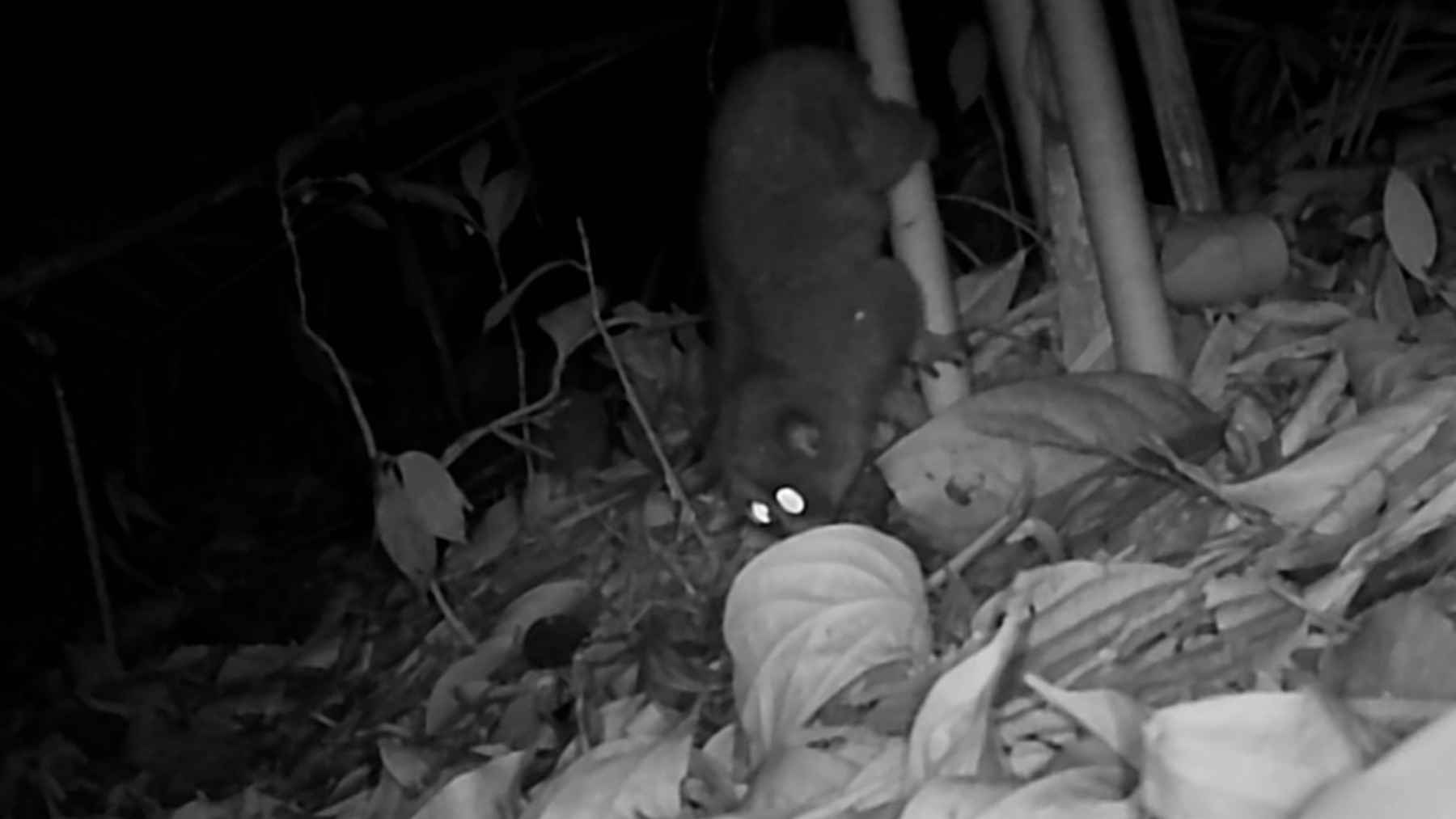
Deep in the forests of northeastern Cambodia, motion triggered cameras have captured a secret that rarely shows up in tourist brochures. Virachey National Park is quietly sheltering at least 42 important wildlife species, including some of the rarest animals in Asia. Why should anyone who lives half a world away care about what walks past a camera in the dark.
The new numbers come from a biodiversity survey that ran through 2025, when conservation groups and government rangers left automatic cameras watching game trails day and night. The footage reveals 32 mammal species, 9 bird species and one invertebrate, with two species listed as critically endangered, five as endangered and 13 as vulnerable on the global threatened species list used by conservation scientists.
Virachey National Park hidden cameras tell a powerful story
Among the stars of the survey are Asian elephants, dholes (wild dogs), clouded leopards, marbled and Asian golden cats, green peafowl, great hornbills, douc langurs and Sunda pangolins. One camera even filmed a herd of Asian elephants passing through the forest, a sign that the habitat is still large and intact enough to support these wide ranging animals.
Species labeled critically endangered are hanging on by a thread, with very few individuals left in the wild. Those listed as endangered or vulnerable are also in serious trouble, often because of habitat loss, hunting or the slow squeeze of climate change on forests and water.
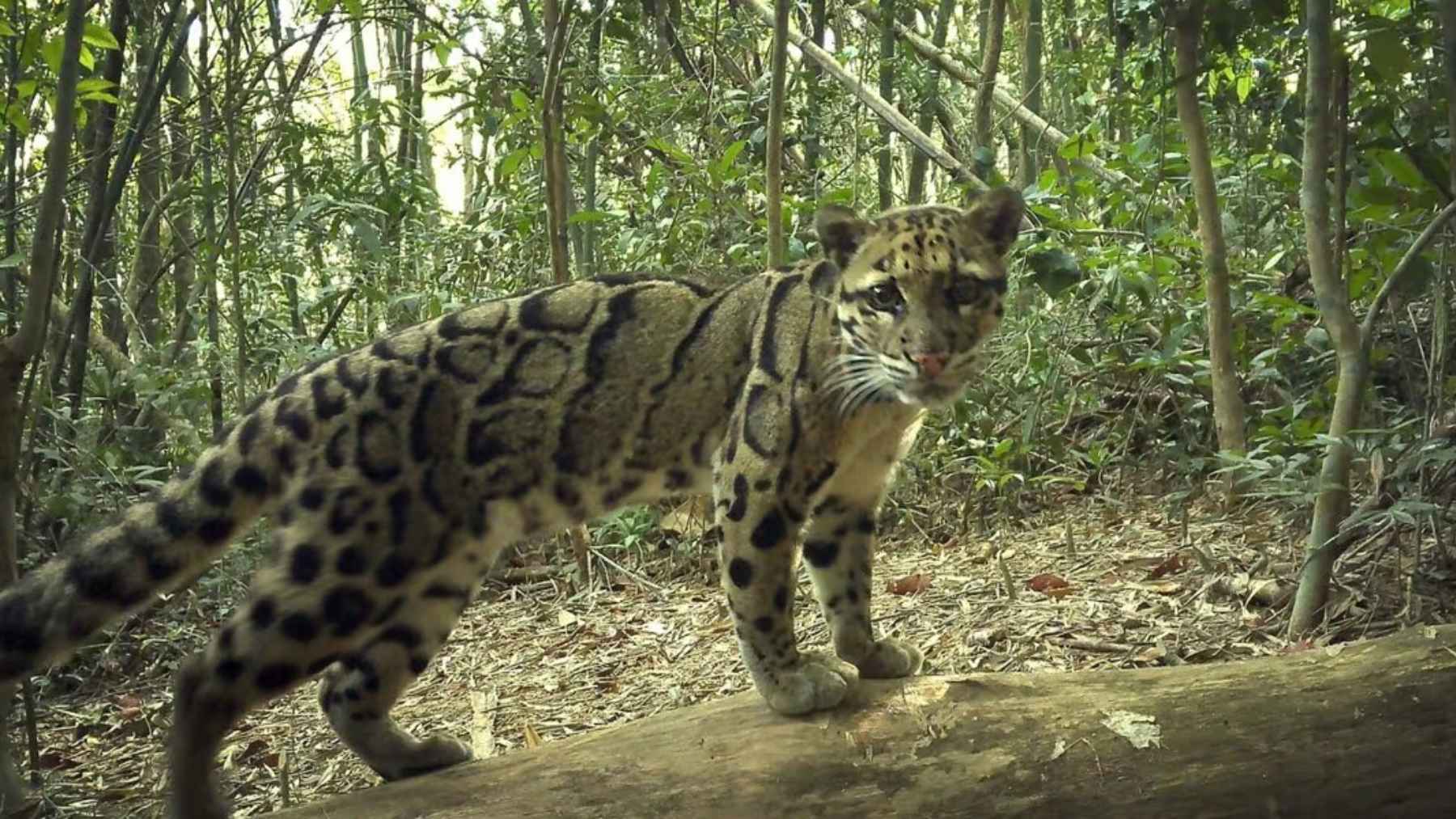
Seeing so many threatened animals in one park is both encouraging and worrying. It shows that Virachey still works as a refuge, yet it also highlights how much could be lost if protection fails and the forest slowly empties out.
Science, rangers and Indigenous communities working side by side
The camera trap survey was led by Fauna & Flora’s Cambodia program together with Ministry of Environment of Cambodia and the provincial environment department in Ratanakiri, with support from local Indigenous communities. Residents who know the landscape better than any map helped choose camera locations, carry equipment and retrieve memory cards from some of the most remote corners of the protected area.
Khvay Atitya, an undersecretary of state and ministry spokesperson, called Virachey “a treasure of Cambodia, home to a rich diversity of species” and said the survey provides knowledge that will guide efforts to protect both forests and the people who depend on them. In practical terms, that means using hard data rather than guesswork when deciding where to focus patrols or how to manage community access to resources.
Lou Vanny, who manages Fauna & Flora’s terrestrial conservation work in the country, said the camera traps reveal some of the park’s rarest animals and show how they move, where they feed and how close they come to villages and farms. That knowledge can shape patrol routes, inform zoning decisions and point to places where poaching pressure or other human impacts may be rising.
Why this remote park matters to the rest of the world
Virachey is one of Cambodia’s largest protected areas, covering more than three hundred thousand hectares of mostly continuous forest in the Annamite mountain range near the borders with Laos and Vietnam.
These forests store huge amounts of carbon, regulate water for downstream farms and towns, and form part of a wider landscape that still works as a living climate shield for the region.
At the same time, the park sits under growing pressure from logging, hunting and infrastructure projects tied to economic development in the Lower Mekong region. Funding from the United Kingdom’s Department for Environment, Food and Rural Affairs through the Biodiverse Landscapes Fund is helping support conservation, community projects and sustainable livelihoods so local families are not forced to choose between income and intact forest.
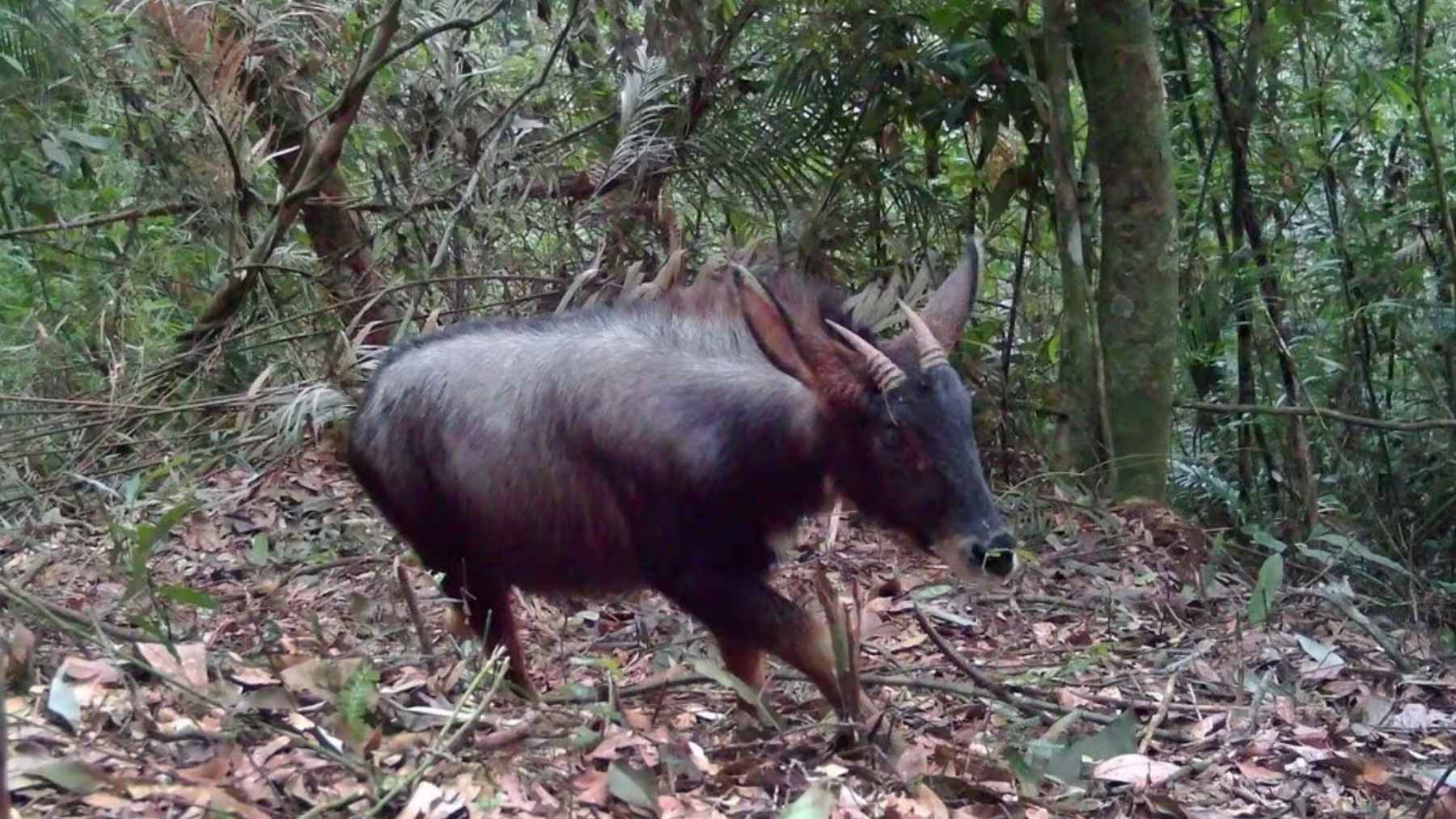
For people reading this on a phone far from Cambodia, all of that might sound distant. Yet the survival of elephants, pangolins and hornbills in places like Virachey is tied to the same global climate and biodiversity crises that influence food prices, the strength of that summer heat that drives up the electric bill and even the air we breathe.
Conservationists say the 2025 camera trap survey is only a first step and that long term monitoring will be needed to keep track of wildlife in this vast and rugged park.
The official joint press release has been published on Open Development Cambodia.