There was a time when we considered electricity to be the short-, medium- and long-term solution to decarbonize transportation. However, the experts have shown us that we have been deluded, with innovations as cutting-edge as this hydrogen engine that has them baffled. The reason? It shouldn’t exist, because of this particular detail that no one can explain.
This hydrogen engine shouldn´t exist: you don´t believe the reason
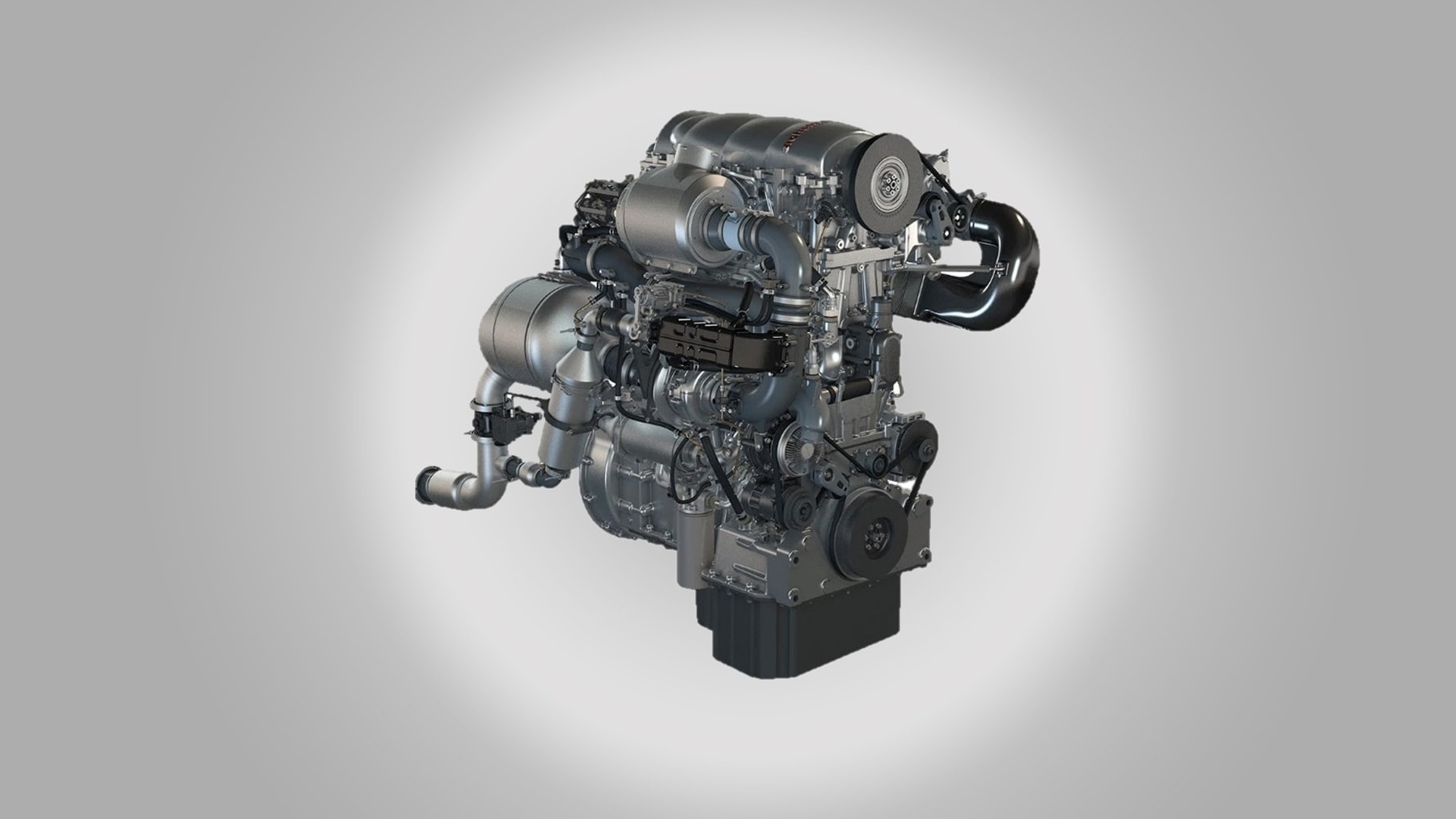
Hydrogen engine has been created with Achates Power and Argonne National Laboratory partnership utilising opposed piston concept. This opposed piston clean-sheet design having crystal clear prospects to make practical and affordable hydrogen vehicles is just meant to happen.
The opposed piston hydrogen engine teaming up with the opposed piston architecture is as efficient as the completion of a triplet, while at the same time offering the clean burning properties of hydrogen fuel. On opposed piston engines, a confined space in between the coming in motion of two pistons gives way.
Hydrogen as fuel can entirely substitute emission from the engine if it is providing hydrogen-based energy, making only condensation of water as a waste. Developer asserts that the system is a compact heat absorbing unit with over 50% thermal efficiency ideal for use in heavy vehicles like trucks with unique thermal needs.
Prototype testing and simulation produced results that critics believe is not viable. These experts however have doubts concerning the heart of the opposition piston engine technology. This non-conventional design is capable of overcoming defeating design configuration which hampers the wider market acceptance.
One detail that experts cannot explain: why does it have opposed pistons?
The hydrogen engine made by Achates Power is distinguished with an opposed-piston structure having two pistons per cylinder. Surprisingly, this type of engine is a great option for passenger cars, trucks, and heavy machinery. This is how vehicle designers make engines more efficient than the conventional engines.
The reduction of volume-to-surface ratio within the combustion chamber is achieved with opposed-piston structure, directly contributing to the heat loss decrease. Besides, the pistons move in opposite directions and deliver power that adds compression ratio, leading to the complete combustion of the fuel.
This improves thermal efficiency. With the adoption of two pistons per cylinder, the number of parts required is decreased. The opposed-cylinder construction avoids the cylinder heads, valves, and camshafts, typical for ordinary engines.
This results in reduction of manufacturing processes and leads to decrease in cost.In the end, the contrary-to-architect model makes the hydrogen engine to be able to get more from the fuel. Through the higher combustion efficiency, engine can both deliver strong power from a small and light-weighted engine.
This hydrogen engine looks weird, but it may be a good idea
The hydrogen opposed-piston engine has been intensively tested by Achates Power to confirm its capabilities and efficiency. In 2021, the company developed the prototype engine at their assembly shop in San Diego, California and the machine dynamometer test was done.
These tests showed that the engine can accomplish a peak brake thermal efficiency of more than fifty percent, which is about 15%-point higher than the best diesel engines with a recent truck market conditional on the same parameters. The engine could also meet the emission targets under a wide range of operating conditions.
To further validate the engine’s functionality, The Achates Power teamworked with Argonne National Laboratory in similating real-world testing. As for E-Flex 2022, they installed an opposed-piston engine into a Class 8 drayage truck and made the track testing at Argonne’s labs and facilities.
What do you think of the innovation they have achieved just by going beyond electricity? It is clear that not everything is going to be about EVs, which have been partly a disappointment after the arrival of the new fuels. This hydrogen engine is just one more demonstration of how far the mobility industry is going, as you saw with methanol, ammonia or even nitrogen.